


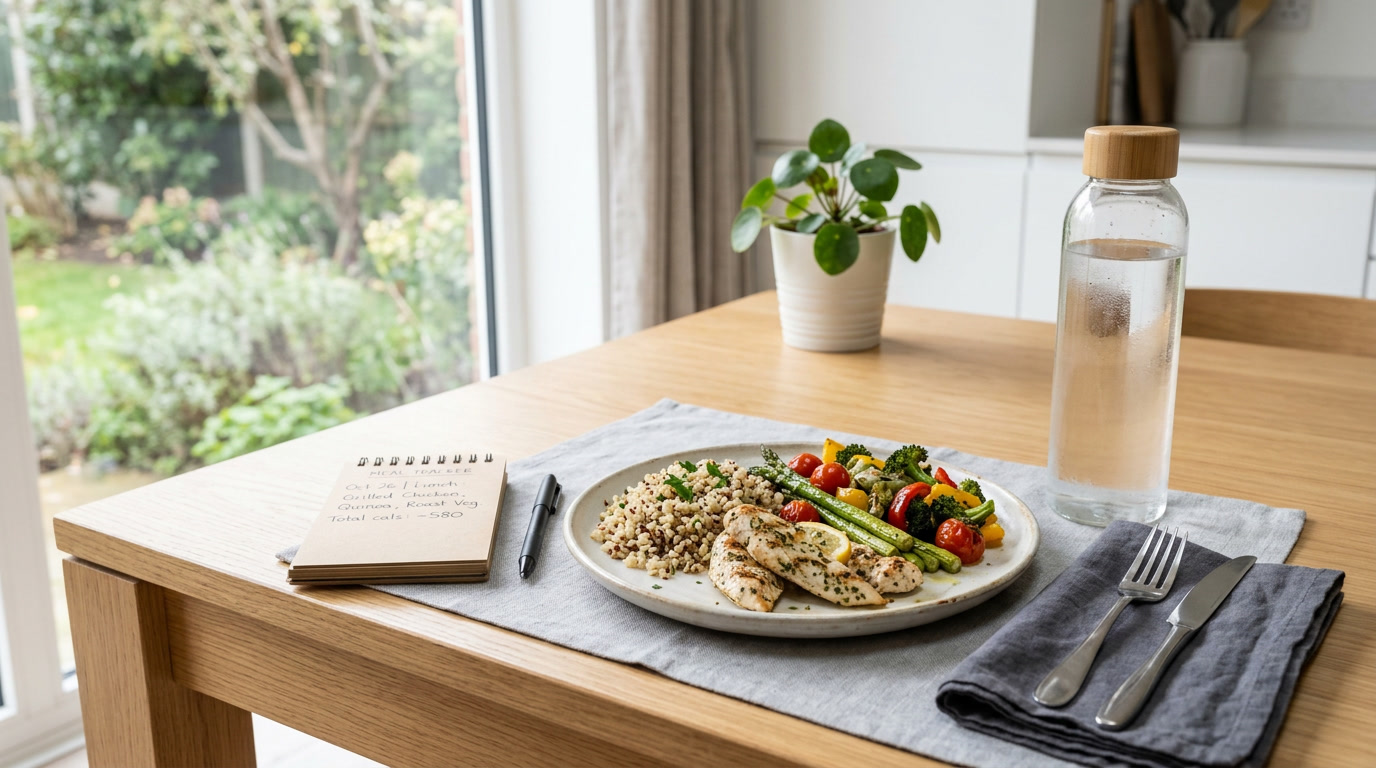
Many people wonder, is 1400 calories good for weight loss. The clear answer is this. For some people, 1400 calories can support weight loss because it creates a calorie deficit. But for others, it may be too low and hard to maintain. The right calorie intake depends on your body, activity level, and goals. A healthy plan focuses on balance, proper nutrition, and long-term habits, not just a number.
Understanding Calories and How Weight Loss Works
Calories are the energy your body gets from food.
Your body uses calories to:
- Breathe
- Move
- Think
- Keep your organs working
If you eat more calories than your body needs, you gain weight. If you eat fewer calories than your body needs, you lose weight.
This is called energy balance.
Weight loss happens when you create a calorie deficit. This means you burn more calories than you eat.
But it is important to do this in a healthy way. Cutting too many calories can harm your body.
How Your Body Uses Calories for Energy Every Day
Your body uses calories all day, even when you are resting.
There are three main ways your body uses energy:
Basal metabolic rate (BMR)
This is the energy your body needs to stay alive. It includes breathing, blood flow, and basic functions.
Physical activity
This includes exercise and daily movement like walking.
Digestion
Your body uses energy to break down food.
All these together form your total daily energy use.
Some people need more calories because they are more active. Others need fewer calories.
This is why calorie needs are different for everyone.
Is 1400 Calories Good for Weight Loss? A Clear Answer
Let’s answer the main question clearly.
Is 1400 calories good for weight loss?
Yes, it can be for some people. But it depends on your body and lifestyle.
If 1400 calories puts you in a calorie deficit, you may lose weight.
But if it is too low for your body, it can cause:
- Low energy
- Hunger
- Poor focus
- Difficulty staying consistent
For smaller individuals or those with lower activity levels, 1400 calories may work well.
For larger or more active people, it may be too low.
The key is finding a calorie intake that you can follow long term.
Daily Calorie Needs for Weight Loss and How to Calculate Them
Your daily calorie needs depend on several factors:
- Age
- Gender
- Body weight
- Activity level
- Metabolism
To find your calorie needs, you can estimate your BMR and total daily energy use.
From there, you create a calorie deficit.
A common approach is:
- Reduce 500 calories per day for slow weight loss
- Reduce 1000 calories per day for faster weight loss
But these numbers should be adjusted based on your body.
A personalized plan is always better than following a fixed number.
When a 1400 Calorie Diet Can Support Fat Loss Safely
A 1400 calorie diet can work well in certain cases.
It may be suitable for:
- Smaller individuals
- People with lower activity levels
- Those who want gradual fat loss
In these cases, 1400 calories may create a steady calorie deficit.
This can lead to:
- Slow and steady fat loss
- Better control of portion sizes
- Improved eating habits
When done right, it can support healthy weight management.
When 1400 Calories May Be Too Low for Your Body
For some people, 1400 calories may be too low.
This is common for:
- Active individuals
- People with higher body weight
- Those who exercise regularly
Eating too little can cause:
- Fatigue
- Constant hunger
- Muscle loss
- Slower metabolism
When your body feels deprived, it may try to hold on to energy. This can slow down fat loss.
It can also make it harder to stick to your plan.
That is why balance is important.
How a Calorie Deficit Drives Fat Loss Over Time
A calorie deficit is the primary factor behind fat loss. It occurs when your body uses more energy than it receives from food. When this happens consistently, the body begins to rely on stored fat to meet its energy needs.
Over time, this process leads to gradual weight loss. However, it is important to understand that results do not happen overnight. The body adapts at its own pace, and meaningful progress is usually the result of steady effort rather than rapid changes.
Fast weight loss methods may seem appealing, but they are often difficult to maintain and can lead to setbacks. In contrast, a slower and more controlled approach allows your body to adjust while helping you build habits that last. Consistency, not speed, is what drives long-term success.
What a Balanced 1400 Calorie Diet Should Include
A well-structured 1400 calorie diet should focus on overall nutrition, not just reducing calorie intake. The goal is to provide your body with the nutrients it needs while maintaining a calorie deficit.
Key Components of a Balanced Plan
- Lean protein for muscle support
Protein sources such as chicken, fish, eggs, and legumes help preserve muscle mass and improve satiety, making it easier to stay within your calorie target. - Healthy fats for sustained energy
Foods like nuts, seeds, avocados, and olive oil support essential body functions and help you feel satisfied after meals. - Whole grains for steady energy release
Options such as brown rice, oats, and whole wheat products provide fiber and help maintain stable energy levels throughout the day. - Fruits and vegetables for vitamins and minerals
These foods are rich in nutrients and fiber, supporting digestion, immunity, and overall health.
Protein plays a particularly important role in weight management. It not only helps maintain muscle but also reduces hunger, which can make it easier to follow your plan consistently.
At the same time, it is important to limit foods that are high in added sugars and low in nutritional value. These foods can increase calorie intake without providing lasting fullness.
A balanced approach ensures that your body remains strong, energized, and supported throughout your weight loss journey.
Common Mistakes People Make on Low Calorie Diet Plans
Many people struggle because of simple mistakes.
Here are some common ones:
- Eating too little protein
- Skipping meals
- Choosing processed foods
- Ignoring hunger signals
- Expecting quick results
These mistakes can make weight loss harder.
They can also lead to frustration and burnout.
A steady approach works better.
How to Make a 1400 Calorie Plan Sustainable Long Term
A 1400 calorie plan can support weight loss, but long term success depends on how sustainable it is in your daily life. The most effective approach is not the strictest one, it is the one you can follow consistently without feeling overwhelmed or deprived.
Rather than focusing only on calorie numbers, it is important to build habits that support energy, balance, and satisfaction. When your routine feels manageable, you are far more likely to stay on track over time.
Practical Tips for Long Term Success
- Plan your meals in advance
Preparing meals ahead of time reduces impulsive food choices and helps you stay within your calorie target more easily. - Focus on whole, nutrient-dense foods
Foods like vegetables, fruits, lean proteins, and whole grains provide more volume and nutrition, helping you feel full without exceeding your calorie goals. - Stay properly hydrated
Drinking enough water throughout the day can support digestion and help manage hunger signals. - Prioritize quality sleep
Poor sleep can affect hunger hormones, increase cravings, and make it harder to stay consistent with your plan. - Maintain regular physical activity
Staying active supports overall health, helps manage weight, and improves energy levels.
Consistency matters more than perfection. Occasional setbacks are normal, but small, repeated efforts lead to meaningful progress over time.
Final Thoughts From Books_WD on 1400 Calorie Diets
A 1400 calorie diet can be effective for weight loss in certain situations, but it is not suitable for everyone. Individual needs vary based on factors such as age, activity level, metabolism, and overall health.
The most effective plan is one that aligns with your lifestyle and supports both physical and mental well-being. Instead of focusing on restriction, aim for balance, variety, and realistic habits that you can maintain long term.
At Books_WD, the focus is on clear and practical guidance. Sustainable weight loss comes from steady, consistent actions rather than extreme or short-term strategies. With patience and a structured approach, progress becomes more manageable and lasting.
Stay committed to your routine, adjust when needed, and allow time for results to develop naturally. If you are looking for simple and practical health guidance, follow Books_WD and continue building better habits for long term success.

