


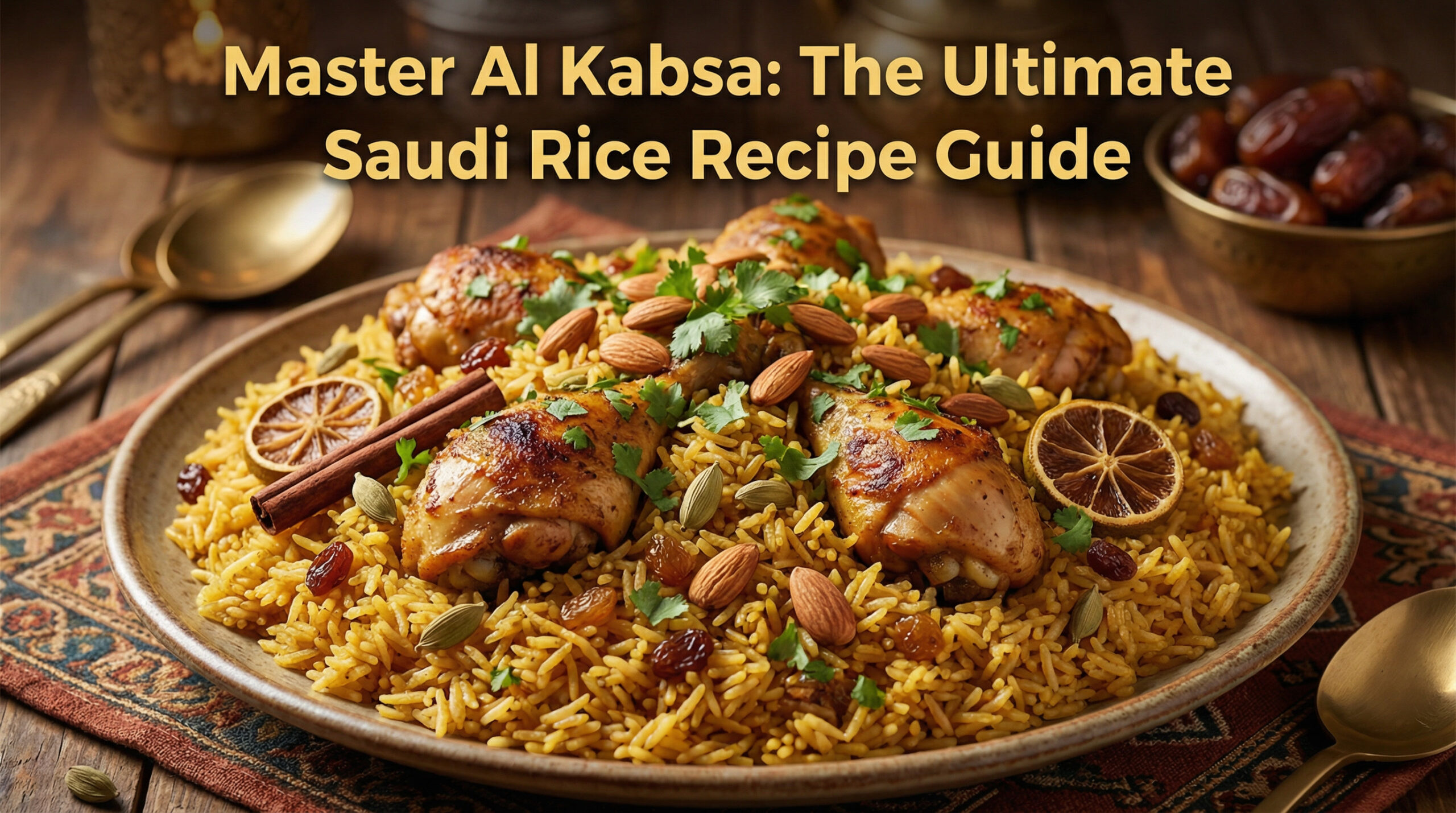
Al Kabsa is a flavorful, hearty dish that has deep cultural roots in Saudi Arabia. From its rich history to its aromatic spices, Al Kabsa offers a unique culinary experience that’s both delicious and nutritious. Whether you choose to make it with chicken, lamb, or another meat, this dish is sure to satisfy. Now that you understand what Al Kabsa is and how to make it, why not try it yourself?
At Books_WD, we encourage you to explore this incredible dish and add it to your culinary repertoire. Al Kabsa is more than just food, it’s a journey into Saudi Arabian culture, and it’s something everyone should try. So, roll up your sleeves, gather your ingredients, and enjoy a meal that brings people together, just like it’s been done for generations.
Al Kabsa: The Heart of Saudi Arabian Cuisine
Al Kabsa is more than just a dish; it’s a beloved tradition that has stood the test of time in Saudi Arabian culture. Known for its rich flavors, hearty ingredients, and cultural significance, this dish is a staple in many Saudi homes and celebrations. Whether you’re a culinary enthusiast or a curious beginner, learning about Al Kabsa opens the door to understanding the heart of Saudi cuisine. In this blog, we will dive deep into the history, ingredients, variations, and health benefits of Al Kabsa, while also providing a simple and easy-to-follow recipe.
What is Al Kabsa? Understanding the Dish
Al Kabsa is a savory rice dish traditionally made with a blend of spices, meat, and vegetables. The main ingredients typically include basmati rice, lamb or chicken, tomatoes, onions, and a variety of spices. The beauty of Al Kabsa lies in its versatility, as it can be made with different types of meat, including beef and fish. This dish holds a special place in Saudi culture, where it’s often served during large gatherings, family meals, and festive occasions.
The word “Kabsa” refers not just to the dish itself, but also to the technique of cooking the rice. The rice is cooked in the meat broth, soaking up all the flavors of the meat and spices, resulting in a dish that is both rich and flavorful.
The History Behind Al Kabsa: From Tradition to Modern Times
The origins of Al Kabsa can be traced back to ancient times, with its roots in the Bedouin culture of Saudi Arabia. Initially, the dish was a simple meal for nomadic tribes who relied on easily accessible ingredients like rice, meat, and local spices. Over the years, Al Kabsa became a cherished dish, gaining popularity throughout the Arabian Peninsula and beyond.
Today, Al Kabsa is considered a national dish of Saudi Arabia, and its preparation has evolved with modern cooking techniques and new ingredients. Despite these changes, the heart of the dish remains unchanged: a flavorful rice base cooked with spices and tender meat. The dish is often served during holidays, weddings, and special gatherings, making it a symbol of hospitality and family togetherness.
Al Kabsa Rice Recipe: The Foundation of a Flavorful Meal
The rice in Al Kabsa is the foundation of the dish, and it plays a crucial role in creating the rich, satisfying flavor that defines the meal. Basmati rice is the preferred choice because of its long grains and fragrant aroma. The rice is typically cooked with the meat broth, absorbing all the delicious flavors from the meat and spices. This method of cooking ensures that every bite of rice is bursting with flavor.
To make the perfect Al Kabsa rice, it’s important to pay attention to the balance of spices. The rice should not be too overpowering but should still carry the essence of the spices used in the dish. The perfect Kabsa rice is fluffy, aromatic, and perfectly seasoned.
Exploring Chicken Kabsa: A Popular Variation
While Al Kabsa can be made with various meats, chicken Kabsa is a popular variation that is enjoyed by many. The chicken is marinated in a blend of spices before being cooked alongside the rice, allowing the flavors to infuse into the meat and rice. The chicken becomes tender and juicy, while the rice soaks up the savory broth, creating a harmonious dish.
A key difference between chicken Kabsa and other versions is the tenderness of the chicken, which adds a unique texture to the dish. Whether you’re serving it to a large group or preparing it for a family dinner, chicken Kabsa is a flavorful and satisfying meal that is sure to please everyone at the table.
The Role of Spices in Kabsa: Creating the Perfect Flavour Balance
One of the defining features of Al Kabsa is its blend of spices, which include cumin, cinnamon, black lime, and cardamom. These spices give the dish its distinctive taste and aromatic fragrance. The balance of spices is crucial to achieving the right flavor profile, not too spicy, but rich and full of depth.
The use of black lime, also known as loomi, is particularly important in Kabsa, as it adds a tangy and slightly smoky flavor that elevates the dish. The combination of these spices with the meat creates a complex, mouthwatering flavor that is the hallmark of Al Kabsa.
Saudi Kabsa: A Dish That Brings People Together
In Saudi Arabian culture, Al Kabsa is more than just a meal; it’s a symbol of togetherness and hospitality. The dish is often served during large gatherings and special occasions, where it is shared among family and friends. The communal nature of eating Al Kabsa makes it a perfect dish for celebrating and connecting with loved ones.
Al Kabsa is typically served in a large platter, with the rice forming the base and the meat placed on top. The dish is meant to be shared, with everyone gathered around the table, scooping rice and meat with their hands or a spoon. This sense of togetherness is one of the reasons Al Kabsa is so beloved in Saudi culture.
Why You Should Try Al Kabsa: Health Benefits and Nutritional Value
Not only is Al Kabsa delicious, but it also has several health benefits. The dish is packed with protein from the meat, fiber from the rice, and vitamins from the vegetables. The spices used in Kabsa are also known for their health-promoting properties. For example, cumin is known to aid digestion, while cinnamon is a powerful antioxidant.
Al Kabsa provides a well-balanced meal, with a good mix of carbohydrates, proteins, and healthy fats. It’s a great dish to enjoy as part of a balanced diet, and it can be made even healthier by adding extra vegetables or using leaner cuts of meat.
How to Make the Perfect Al Kabsa: Step-by-Step Recipe
Now that you know about the history, variations, and health benefits of Al Kabsa, it’s time to try making it at home! Here’s a simple recipe that will guide you through the process of making the perfect Al Kabsa.
Ingredients:
- 2 cups basmati rice
- 1 whole chicken, cut into pieces
- 2 onions, chopped
- 3 tomatoes, chopped
- 2 cloves garlic, minced
- 2 tbsp vegetable oil
- 1 cinnamon stick
- 2 cardamom pods
- 2 black limes (loomi)
- 1 tbsp cumin
- 1 tbsp coriander
- 1 tbsp turmeric
- Salt to taste
- 4 cups chicken broth or water
Instructions:
- Rinse the basmati rice thoroughly and set aside.
- In a large pot, heat the vegetable oil over medium heat. Add the onions and garlic, cooking until softened.
- Add the chicken pieces and cook until browned on all sides.
- Stir in the tomatoes and cook until they soften, then add the spices (cinnamon, cardamom, cumin, coriander, turmeric, and salt).
- Add the chicken broth or water and bring to a boil. Reduce heat to low, cover, and simmer for 30 minutes.
- Add the rice to the pot and stir gently. Cover and cook for an additional 20 minutes, or until the rice is tender and the chicken is fully cooked.
- Once the rice is done, fluff it with a fork and serve with the chicken on top.
Enjoy your homemade Al Kabsa!
Serving and Presentation Tips for Al Kabsa
Once your Al Kabsa is ready, it’s time to serve it! Traditionally, Al Kabsa is served on a large platter with the rice arranged in the center and the meat placed on top. It’s a communal dish, so don’t be shy about serving generous portions for everyone to enjoy. Garnish with fresh parsley or almonds for added flavor and texture.
Pair the dish with a refreshing side salad, some yogurt, or a simple cucumber salad to balance the richness of the Kabsa. Don’t forget to serve it with some traditional Arabic flatbread (khubz) for an authentic touch!

