


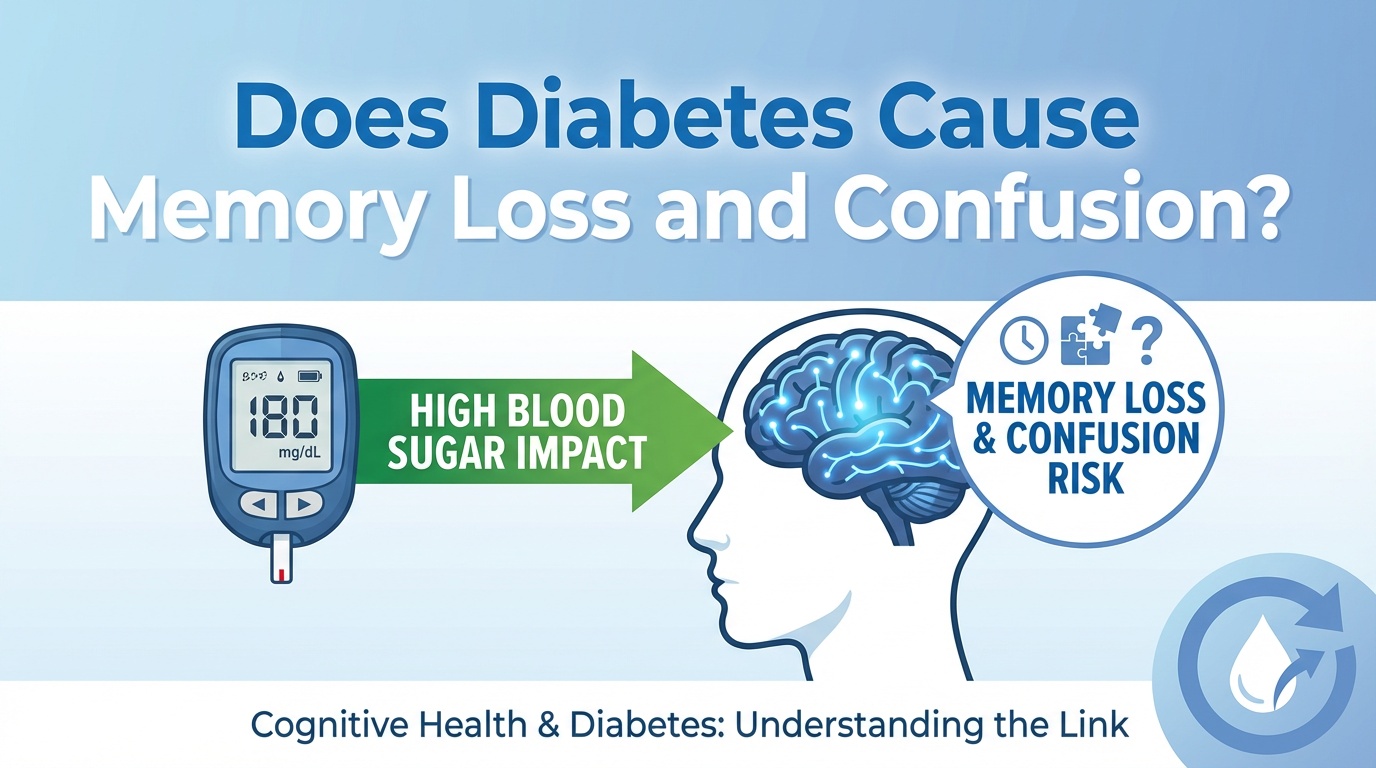
Yes, diabetes can cause memory loss and confusion, especially when blood sugar levels are poorly controlled. High glucose levels can disrupt brain function, leading to cognitive issues such as memory loss and confusion. With proper blood sugar management, exercise, and a healthy diet, these cognitive symptoms can be minimized or even reversed.
Does Diabetes Cause Memory Loss and Confusion?
Diabetes is a chronic condition that primarily affects the body’s ability to regulate blood sugar levels. While its physical symptoms are well-known, diabetes also has less obvious effects on mental health, including cognitive function. One of the more concerning questions that many individuals with diabetes face is: can diabetes cause memory loss and confusion? The short answer is yes diabetes can significantly impact memory and cognitive clarity, but the degree of impact depends on various factors, such as blood sugar control and the type of diabetes.
In this article, we will explore the connection between diabetes and cognitive issues, specifically memory loss and confusion. We’ll dive into how high blood sugar affects the brain, the long-term consequences of poorly managed diabetes, and what you can do to prevent or manage these cognitive changes.
At Books_WD, we believe that managing diabetes is about more than just regulating blood sugar. A holistic approach to health that includes mental well-being is key. Let’s understand how diabetes affects your cognitive function and what you can do about it.
What Are the Common Symptoms of Memory Loss and Confusion in Diabetes?
For individuals with diabetes, memory loss and confusion are more than just simple lapses. These issues often manifest in ways that can affect daily life. Some of the common symptoms of memory loss and confusion in diabetes include:
- Frequent forgetfulness: Individuals may struggle to remember names, places, or appointments.
- Difficulty concentrating: Focusing on tasks becomes a challenge, leading to mistakes or missed details.
- Disorientation: Getting lost in familiar places or not being able to recall the steps to complete a routine task.
- Brain fog: A sense of mental fatigue or mental sluggishness, which is often linked to fluctuating blood sugar levels.
- Trouble with decision-making: Difficulty making decisions or solving problems that were once straightforward.
These symptoms are not exclusive to diabetes, but studies have shown that people with poorly controlled blood sugar levels are at greater risk for experiencing these types of cognitive disruptions.
Can High Blood Sugar Levels Cause Confusion?
Yes, high blood sugar levels (also known as hyperglycemia) can cause confusion. When blood sugar levels spike, the body’s normal processes are disrupted, leading to various symptoms, including cognitive difficulties. Here’s how high glucose levels can affect the brain:
- Disrupted brain function: Elevated glucose levels interfere with the brain’s ability to function properly. The brain depends on a constant supply of glucose for energy, and excessive amounts can harm the brain’s nerve cells and neurotransmitters.
- Reduced oxygen to the brain: High blood sugar can affect blood flow, leading to reduced oxygen delivery to the brain. This may cause confusion and difficulty concentrating.
- Impaired cognitive function: High glucose levels can damage blood vessels, including those in the brain. This can lead to long-term cognitive issues, such as memory loss and difficulty thinking clearly.
In extreme cases, high blood sugar can lead to diabetic ketoacidosis (DKA), a serious condition that can cause confusion, nausea, and even coma.
Does Diabetes Affect Memory Over Time?
Diabetes can certainly affect memory over time, particularly when blood sugar levels are consistently poorly managed. Chronic high blood sugar can cause gradual damage to the brain, which may lead to long-term cognitive issues. The effects of diabetes on memory are often subtle at first but can become more pronounced as the condition progresses.
When blood sugar is poorly controlled, it can lead to:
- Damage to brain cells: Over time, high glucose levels can cause the brain’s neurons (nerve cells) to become damaged, leading to memory problems.
- Poor circulation: Diabetes can damage blood vessels, including those in the brain, reducing oxygen and nutrient flow to brain cells.
- Increased risk of dementia: Long-term high blood sugar levels increase the risk of diabetic dementia and other forms of cognitive decline, such as Alzheimer’s disease.
However, diabetes memory loss is not inevitable. With proper management, people with diabetes can reduce their risk of long-term cognitive problems.
What Is the Connection Between High Glucose Levels and Brain Function?
High glucose levels have a direct impact on brain function, especially when it comes to memory, focus, and clarity. Here’s a breakdown of how elevated glucose levels affect the brain:
- Neurotransmitter imbalance: High blood sugar levels can disrupt the balance of chemicals in the brain that are essential for cognitive function, leading to confusion and memory issues.
- Inflammation: High glucose levels can lead to inflammation throughout the body, including the brain. Chronic inflammation can impair cognitive function and memory.
- Impaired glucose uptake: The brain relies on glucose for energy. In individuals with insulin resistance (common in people with type 2 diabetes), the brain’s ability to absorb glucose is compromised, leading to energy deficits that can cause cognitive dysfunction.
The connection between high glucose levels and brain function shows that managing blood sugar is critical to maintaining mental clarity and preventing confusion.
Can Type 2 Diabetes Lead to Long-Term Memory Problems?
Yes, type 2 diabetes can lead to long-term memory problems if it is not well-managed. In fact, individuals with type 2 diabetes and memory loss are at a higher risk for developing significant cognitive issues, including dementia. This is because the disease not only affects blood sugar control but also increases the likelihood of:
- Insulin resistance: In type 2 diabetes, the body’s cells become resistant to insulin. This affects brain function, leading to problems with memory and thinking.
- Chronic inflammation: Ongoing high blood sugar can lead to long-term inflammation in the brain, which contributes to cognitive decline.
- Vascular damage: Poor blood sugar control over time can damage blood vessels, limiting oxygen and nutrient delivery to the brain.
Effective management of blood sugar levels can help prevent or slow down memory problems in people with type 2 diabetes.
What Are the Symptoms of Diabetic Dementia?
Diabetic dementia is a type of cognitive decline that occurs in some individuals with diabetes. The symptoms include:
- Severe memory loss: Forgetting recent events or details that were once easy to remember.
- Disorientation: Becoming confused about time, place, or people.
- Difficulty concentrating: Struggling to focus on tasks or conversations.
- Inability to complete everyday tasks: Difficulty with tasks such as cooking, cleaning, or managing finances.
- Mood changes: Experiencing sudden mood swings or personality changes.
Diabetic dementia symptoms can worsen over time, but early detection and blood sugar management can help slow progression.
Can Diabetes-Induced Memory Loss Be Reversed?
In many cases, memory loss related to diabetes can be reversed, especially if it is caught early. By managing blood sugar levels, individuals with diabetes can often reduce symptoms of brain fog, confusion, and memory issues. Here’s how to reverse or prevent memory loss:
- Better blood sugar control: Keeping blood sugar levels within the target range helps reduce the impact of glucose fluctuations on the brain.
- Healthy lifestyle choices: Eating a balanced diet, exercising regularly, and getting adequate sleep can improve brain health and prevent memory loss.
- Stress management: Chronic stress can worsen cognitive issues, so managing stress through relaxation techniques is beneficial.
While severe memory loss may not be fully reversible, effective diabetes management can help minimize cognitive decline.
How Can You Manage Confusion and Memory Loss in Diabetes?
Managing confusion and memory loss in diabetes involves several strategies:
- Monitor blood sugar levels regularly: Keeping track of glucose levels helps avoid fluctuations that could lead to confusion or memory issues.
- Stay active: Regular physical exercise enhances brain function and improves memory.
- Follow a healthy diet: Foods that are rich in vitamins, omega-3 fatty acids, and antioxidants can help protect brain health.
- Get enough sleep: Adequate rest is essential for cognitive function and memory consolidation.
- Reduce stress: Stress management techniques, such as mindfulness or meditation, can help reduce the negative effects of stress on the brain.
By following these practices, individuals with diabetes can significantly improve their mental clarity and reduce memory loss.
Conclusion: Protecting Your Brain Health with Diabetes Management
Does diabetes cause memory loss and confusion? Yes, it can. However, with proper management, you can significantly reduce the risk of cognitive issues related to diabetes. High blood sugar levels can affect memory and lead to confusion, but by keeping blood sugar levels stable, eating a balanced diet, staying active, and managing stress, you can protect your brain from the long-term effects of diabetes.
At Books_WD, we recommend that anyone with diabetes take steps to manage both their blood sugar and mental health. Early detection and proper management are key to reducing the risk of memory loss and confusion. If you’re concerned about cognitive issues related to diabetes, speak with your healthcare provider to develop a comprehensive care plan.

