


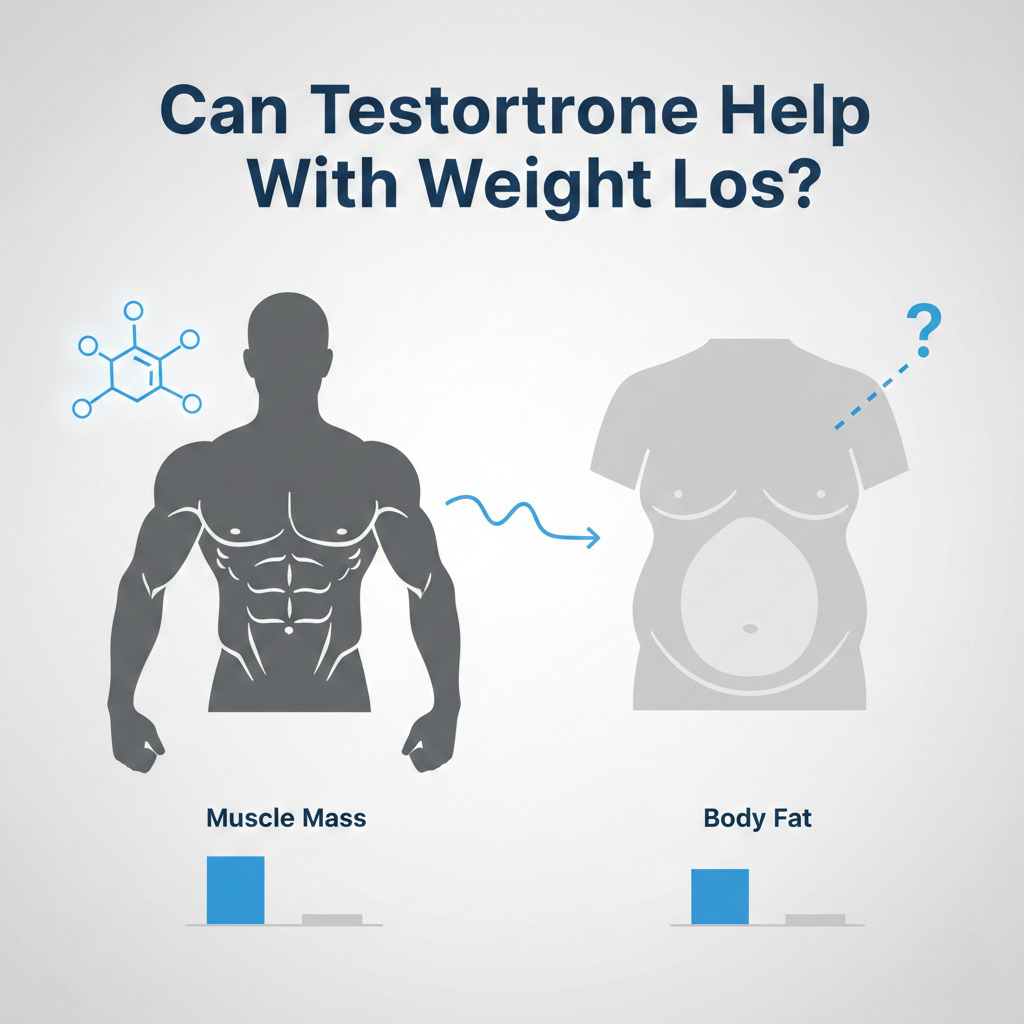
So, can testosterone help with weight loss?
Yes. When someone has low testosterone, restoring normal levels can make weight loss easier. It supports muscle growth, boosts metabolism, and reduces stubborn fat storage. Testosterone does not replace healthy habits but strengthens the body’s ability to respond to them.
Why Hormones Play a Bigger Role in Weight Than Most People Realize
Many people try diet after diet and still wonder why their weight will not move. This often leads them to ask questions like can testosterone help with weight loss because hormones control more than most people think. Hormones affect hunger, energy, fat storage, and metabolism. When they change, the body changes with them. This is why some people gain weight even when they eat the same meals, and why others burn fat more easily without major effort.
Hormones act like signals in the body. They tell cells how to use fuel, when to store fat, and when to burn it. Testosterone is one of the most powerful hormones involved in this process. While many people think it only affects muscle and strength, it also shapes how the body handles calories. When testosterone levels drop, people often feel tired and notice stubborn fat building around their stomach.
Weight loss becomes easier when hormones are in balance. That is why learning about testosterone and its role in the body matters. It helps people understand why their weight changes and how to make choices that support better health.
Understanding Testosterone and How It Works in the Body
Testosterone is a natural hormone that both men and women have. Men produce more, but women also rely on it for strength, energy, and balance. Testosterone supports muscle growth, bone strength, mood, and healthy fat levels. When levels are normal, people often feel stronger, more focused, and more active during the day.
Testosterone plays a major role in building and protecting muscle. Muscle burns more calories than fat even when someone is resting. This means people with higher muscle levels tend to burn more energy throughout the day. When testosterone drops, muscle mass drops as well, which slows metabolism. This is why low testosterone often leads to weight gain.
Many people do not realize how connected testosterone and weight loss are. When testosterone is low, the body stores more fat and burns fewer calories.
Testosterone also influences insulin, which handles blood sugar. When insulin does not work well, people gain weight more easily. Healthy testosterone levels help improve insulin response, which may help prevent extra fat storage.
Can Testosterone Help With Weight Loss and Fat Reduction
This question is the heart of the topic. Many people wonder if testosterone can truly help the body lose fat. The short answer is yes, testosterone can support weight loss when levels are low and brought back to a healthy range. It does not work like a magic switch, but it creates conditions that make weight loss easier.
Testosterone increases muscle mass, boosts metabolism, and improves how the body uses calories. It helps burn fat more efficiently and supports energy levels, so people move more during the day. People who have low testosterone often feel tired or weak. When they correct their levels, they notice better strength and motivation.
Testosterone does not burn fat on its own. Instead, it makes the body more responsive to healthy habits like exercise and balanced eating. When someone asks does testosterone burn fat, the answer is that it supports the fat burning process rather than directly melting fat away.
People who start therapy for low testosterone often notice changes in how their clothes fit and how their body looks. Studies show that many lose fat and gain lean muscle at the same time. This is why testosterone and weight loss are often discussed together.
How Testosterone Influences Metabolism and Daily Calorie Burn
Metabolism is the rate at which the body uses energy. Higher metabolism makes weight loss easier. Lower metabolism makes it harder. Testosterone affects metabolism through several pathways.
First, testosterone helps the body build and keep muscle. Muscle tissue burns more calories than fat, even during rest. When muscle levels drop, metabolism slows down. When testosterone restores muscle, metabolism rises again.
Second, testosterone affects fat distribution. People with healthy levels store less fat in the stomach area. When hormone levels are low, belly fat increases. Belly fat is the hardest fat to burn, and once it builds up, it slows down metabolism even more.
Third, testosterone may influence thyroid hormones. Thyroid hormones control the speed of metabolism. When testosterone is low, the thyroid sometimes slows down as well.
This raises questions like, does testosterone increase metabolism or does testosterone boost metabolism? The answer is that testosterone supports metabolic function by protecting muscle, reducing belly fat, and helping the body burn calories more efficiently.
People who improve their testosterone levels often notice they burn energy faster, feel warmer, and lose fat more easily. These are signs of a better working metabolism.
Low Testosterone and Its Impact on Weight Gain and Stubborn Fat
Low testosterone affects many parts of the body, but weight is one of the biggest concerns. When testosterone levels fall, the body changes in ways that encourage fat gain.
Low testosterone lowers muscle mass. Less muscle means slower metabolism. Slower metabolism means fewer calories burned. This leads to weight gain even if eating habits stay the same.
People with low testosterone often feel more tired. They move less, exercise less, and burn fewer calories during the day. This adds to weight gain.
Low testosterone and weight gain are closely connected. Many people gain fat around the stomach, chest, and lower body. This happens because the body stores fat differently when hormone levels drop.
Low testosterone can also make weight loss harder. Some people ask how to lose weight with low testosterone. The truth is that weight loss becomes possible and much easier when low testosterone is treated. Lifestyle changes help, but fixing the hormone imbalance often creates results that were not possible before.
When someone asks does low testosterone cause weight gain, the answer is yes. Correcting low levels often leads to steady fat loss and better energy.
Testosterone Therapy, TRT, and Their Role in Weight Loss
Testosterone therapy, also known as TRT, is often recommended when someone has confirmed low testosterone levels. People ask if TRT helps with weight loss because many notice changes in their bodies after starting treatment. TRT can support weight loss, but only when used for real medical reasons. It helps restore hormone levels to a normal range, which makes the body work in a healthier and more balanced way.
One of the biggest benefits of TRT for weight loss is its ability to increase lean muscle. As muscle grows, the body burns more calories during rest and activity. This makes it easier to reach a calorie deficit, which is needed for fat loss. Many people who start TRT say they feel stronger and more active. They move more, which adds to fat burning during the day.
People often ask about average weight loss on TRT. The results vary because lifestyle, diet, and exercise also matter. Some lose fat while gaining muscle, which improves body shape even if the scale does not change quickly. Others see steady weight loss because TRT helps them overcome fatigue and poor metabolism caused by low testosterone.
TRT can also improve mood, focus, and motivation. These changes help people make healthier choices, stick to exercise plans, and avoid overeating. When someone wonders if TRT will help them lose weight, the true answer is that TRT removes the barriers created by low hormone levels. After that, the body becomes more responsive to healthy habits.
Weight loss on testosterone is not instant and does not replace diet or movement. Instead, TRT supports a foundation where the body can burn fat more effectively. When used correctly, it can be an important part of a broader, balanced health plan.
Testosterone and Weight Loss Results in Women
Many people are surprised to learn that women also have testosterone. Women produce less than men, but it still plays a major role in strength, mood, energy, and fat control. When levels are too low, women often experience weight gain, fatigue, and slower metabolism.
Some women ask if testosterone can help women lose weight. In some cases, yes. When women have clinically low levels, small amounts of testosterone may improve muscle strength, energy, and metabolism. These changes help the body burn calories more efficiently.
Women often notice fat gain around the stomach, hips, and thighs when testosterone is low. This type of fat is stubborn and hard to lose. Correcting low testosterone can help women lose weight more steadily, especially when combined with healthy eating and regular activity.
Testosterone for weight loss in females should always be used carefully. Women need much lower doses than men, and therapy should only be done through medical guidance. When done correctly, testosterone therapy may help balance hormones and support sustainable weight loss.
Women also experience better sleep and improved mood when hormone levels improve. These changes help reduce emotional eating and stress eating, which supports fat loss even more.
When Testosterone Causes Weight Gain Instead of Weight Loss
Testosterone usually supports weight loss, but some people report gaining weight after starting testosterone. This leads to questions like does testosterone make you gain weight or can testosterone cause weight gain. The truth is more simple than most people expect.
Testosterone can cause short term weight gain when muscle increases faster than fat decreases. Muscle weighs more than fat, but it also burns more calories. So even if the scale shows a higher number, the body is becoming healthier and stronger. This is not harmful weight gain.
Another reason for gaining weight on testosterone is water retention. Some people hold extra water when starting therapy. This usually fades as the body adjusts.
In rare cases, testosterone may cause weight gain if doses are too high. Very high levels may increase hunger or raise calorie intake. This is why proper dosing matters.
Testosterone does not create fat gain on its own. Weight gain happens when calorie intake is higher than calorie burn. Testosterone can only support fat loss when paired with balanced habits.
When people experience weight gain on testosterone, it is usually temporary. As the body adapts, fat loss becomes easier, energy rises, and metabolism improves.
How to Choose Safe, Evidence Based Paths for Weight Loss With Books_WD
Choosing the right path for weight loss can be confusing, especially when hormones are involved. The best approach begins with knowledge. Understanding testosterone replacement therapy, metabolism, diet, and exercise helps you avoid quick fixes and unsafe shortcuts.
People should never start testosterone just for weight loss. It should only be used when real medical testing confirms low levels. When testosterone is low, treating the condition often brings results that diet alone could not produce. The key is to follow safe steps guided by medical advice.
When thinking about weight loss and testosterone, consider the following:
• Know your hormone levels
• Use therapy only if you have real deficiencies
• Support your body with strength training
• Follow a steady eating plan that fits your life
• Track progress by how you feel, not only the scale
Books_WD encourages people to learn first, then act. Better information leads to better choices. With the right guidance, the path becomes easier and more effective.
Conclusion
Testosterone affects weight, energy, and metabolism in many important ways. When levels are low, weight loss becomes harder. When levels return to normal, the body burns calories more effectively and builds muscle more easily. TRT may support weight loss when used for medical reasons, but it must always be done safely. Understanding how testosterone and fat loss connect helps people make better choices and see better results.
Books_WD is committed to giving clear, simple, and trusted information that helps people take real steps toward healthier living. With the right understanding, anyone can make progress in a steady and safe way.
If you want guidance on weight loss, hormones, or building healthier habits, reach out for more support. The right knowledge can help you take the next step with confidence.

