


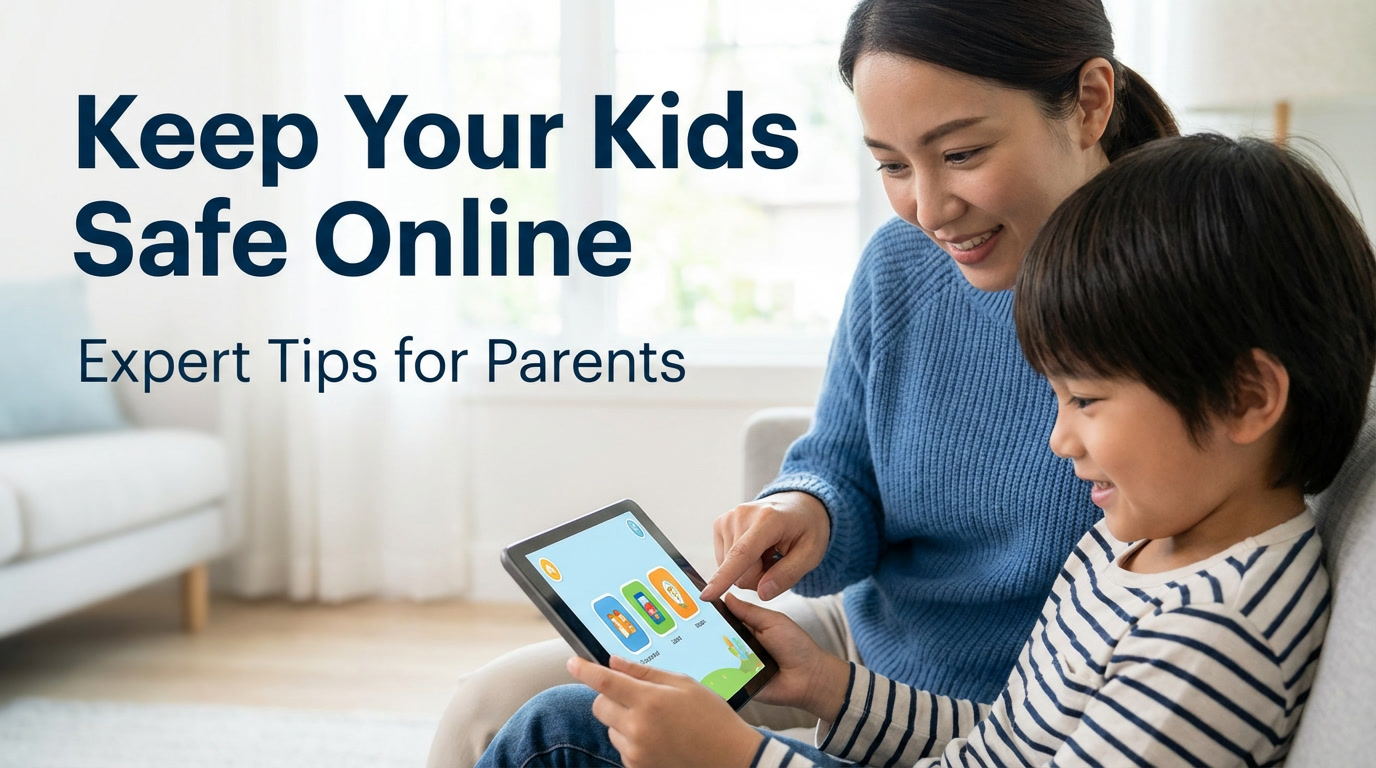
Keeping your kids safe online involves a proactive approach that includes setting boundaries, using parental controls, educating your child about the risks, and maintaining an open line of communication. Parents should familiarize themselves with the types of threats their children may face, such as cyberbullying, inappropriate content, and online predators, and take steps to minimize these risks. By using tools like parental control software, monitoring their child’s online activity, and engaging in regular conversations about responsible internet use, parents can help ensure their kids’ safety in the digital world.
Introduction: The Importance of Keeping Your Kids Safe Online
The internet is an amazing tool that opens up a world of knowledge, creativity, and connection. Children today are more tech-savvy than ever, using the internet to play games, socialize, and learn new things. However, as the internet continues to grow and evolve, so do the risks associated with it. Keeping your kids safe online is more important than ever.
As a parent, you want to ensure your child enjoys the benefits of the internet without falling victim to online dangers. This article will walk you through the essential steps to safeguard your child’s digital experience, so they can explore the online world safely and responsibly.
What You’ll Learn:
- The types of online risks children face.
- Practical tips for protecting your child online.
- How to educate your kids about online dangers.
- Tools and resources for safe internet habits.
Understanding the Risks: What Are Kids Exposed to Online?
Children today are exposed to a wide range of online risks. It’s important for parents to understand these risks in order to take appropriate action. Here are some of the most common dangers:
- Cyberbullying: Bullying that takes place on the internet, often through social media, messaging apps, or gaming platforms.
- Inappropriate Content: Exposure to harmful content such as violent, sexual, or explicit material.
- Online Predators: Adults who use the internet to exploit children.
- Privacy Issues: Sharing too much personal information or falling victim to scams.
- Addiction to Screen Time: Excessive time spent online that affects health, sleep, and social skills.
Child online safety begins with awareness. Parents should understand the risks to provide the best protection. By learning about these threats, parents can begin to use resources like parental control tools and develop strategies for guiding their children safely through the digital landscape.
Practical Tips for Parents to Protect Their Children Online
To ensure keeping your kids safe online, there are several practical steps parents can take. These strategies will empower both parents and children to make smart choices when navigating the internet:
- Set Boundaries for Screen Time: Limit how much time your child spends online each day. Encourage breaks and activities away from screens.
- Use Parental Control Tools: Install software that allows you to monitor your child’s online activity, block inappropriate websites, and set time limits.
- Monitor Social Media Activity: Regularly check your child’s social media accounts to ensure they are not engaging in harmful behavior or communicating with strangers.
- Educate About Cybersecurity: Teach your child about strong passwords, the risks of sharing personal information online, and how to avoid phishing scams.
- Encourage Open Communication: Make sure your child knows they can come to you with any concerns they may have about their online experiences.
Setting Up Parental Control Tools: A Must-Have for Digital Safety
Parental control tools are essential in today’s digital age. These tools allow parents to have better control over their child’s online activities, ensuring that they are protected from inappropriate content and online dangers.
Here are some helpful parental control tools to consider:
- Internet Filtering Software: Software that blocks inappropriate content, such as websites with explicit or harmful material.
- Screen Time Management: Apps like Apple’s Screen Time or Google’s Family Link allow parents to set daily usage limits for specific apps or the internet.
- Activity Monitors: Tools like Qustodio or Norton Family monitor online activities and send alerts to parents if any suspicious behavior occurs.
- Social Media Monitoring Tools: Services like Bark can monitor your child’s social media accounts for signs of cyberbullying or inappropriate conversations.
By setting up these tools, parents can ensure that their children’s online experiences remain positive, educational, and safe.
Teaching Kids About Responsible Online Behaviour
Educating your children about responsible online behaviour is one of the most effective ways to protecting kids online. It’s essential for kids to understand that the internet can be both a wonderful and dangerous place. Here’s how you can teach them:
- Explain Privacy: Help them understand the importance of keeping personal information private. Teach them not to share their name, address, school, or phone number online.
- Discuss Cyberbullying: Let your child know what cyberbullying is and what to do if they encounter it, such as reporting the behavior to a trusted adult or platform.
- Talk About the Risks of Stranger Interaction: Remind your child not to chat with or meet up with people they’ve met online.
- Teach Them About Social Media Etiquette: Guide them on how to interact respectfully with others online, and what to do if they encounter hurtful or inappropriate content.
By building awareness early, children can better navigate online spaces in a safe and responsible manner.
The Role of Social Media in Kids’ Lives: How to Manage It Safely
Social media plays a significant role in today’s online world, but it can also expose children to dangers. Managing your child’s social media presence is an essential part of keeping your kids safe online.
Here’s how parents can manage social media safely for their kids:
- Set Up Private Accounts: Ensure your child’s social media accounts are set to private so that only approved friends can see their posts.
- Monitor Social Media Use: Regularly check the apps your child is using, and ensure they are not being exposed to inappropriate content.
- Limit Screen Time on Social Media: Establish limits for how much time your child can spend on social media each day, and encourage other activities.
- Talk About the Consequences: Make sure your child understands the consequences of posting harmful or inappropriate content online, and the importance of thinking before posting.
Creating a Balanced Approach: Online Time vs Offline Time
A balanced approach between online and offline activities is essential for your child’s well-being. Spending too much time online can lead to unhealthy habits, such as sleep deprivation and social isolation. Encourage your child to take breaks from the screen and engage in other activities:
- Encourage Physical Activity: Get your child involved in outdoor activities such as sports, walking, or bike riding.
- Promote Creative Hobbies: Encourage hobbies like drawing, reading, or playing a musical instrument.
- Foster Social Skills: Spend time with family and friends, and make sure your child is developing healthy offline relationships.
Finding this balance helps to ensure that your child’s online experiences don’t come at the cost of their physical and mental health.
Keeping the Communication Open: Encouraging Kids to Speak Up About Online Issues
One of the most important things a parent can do to keep your kids safe online is to maintain an open line of communication. Encourage your child to come to you if they ever encounter anything unsettling online. This can include being approached by strangers, seeing harmful content, or experiencing cyberbullying.
- Be Non-Judgmental: Let your child know they can talk to you without fear of getting into trouble.
- Check In Regularly: Ask your child how they’re feeling about their online experiences.
- Reassure Them: Remind them that if anything ever makes them uncomfortable, they should always talk to you or another trusted adult.
Conclusion: Empowering Parents to Keep Kids Safe in the Digital World
In conclusion, keeping your kids safe online is an ongoing effort. It’s essential for parents to stay informed about the risks, set up protective tools, and maintain open communication with their children. By teaching kids about safe internet habits, using parental controls, and guiding them through responsible online behaviour, parents can help their children navigate the online world safely.
Books_WD provides helpful resources to keep your kids safe online, including a comprehensive book filled with essential information on internet safety and a bedtime story to guide your child’s understanding. Explore our collection of guides and tools to learn more about keeping your family safe online. Visit us today for more information and start your journey towards a safer digital world.

