


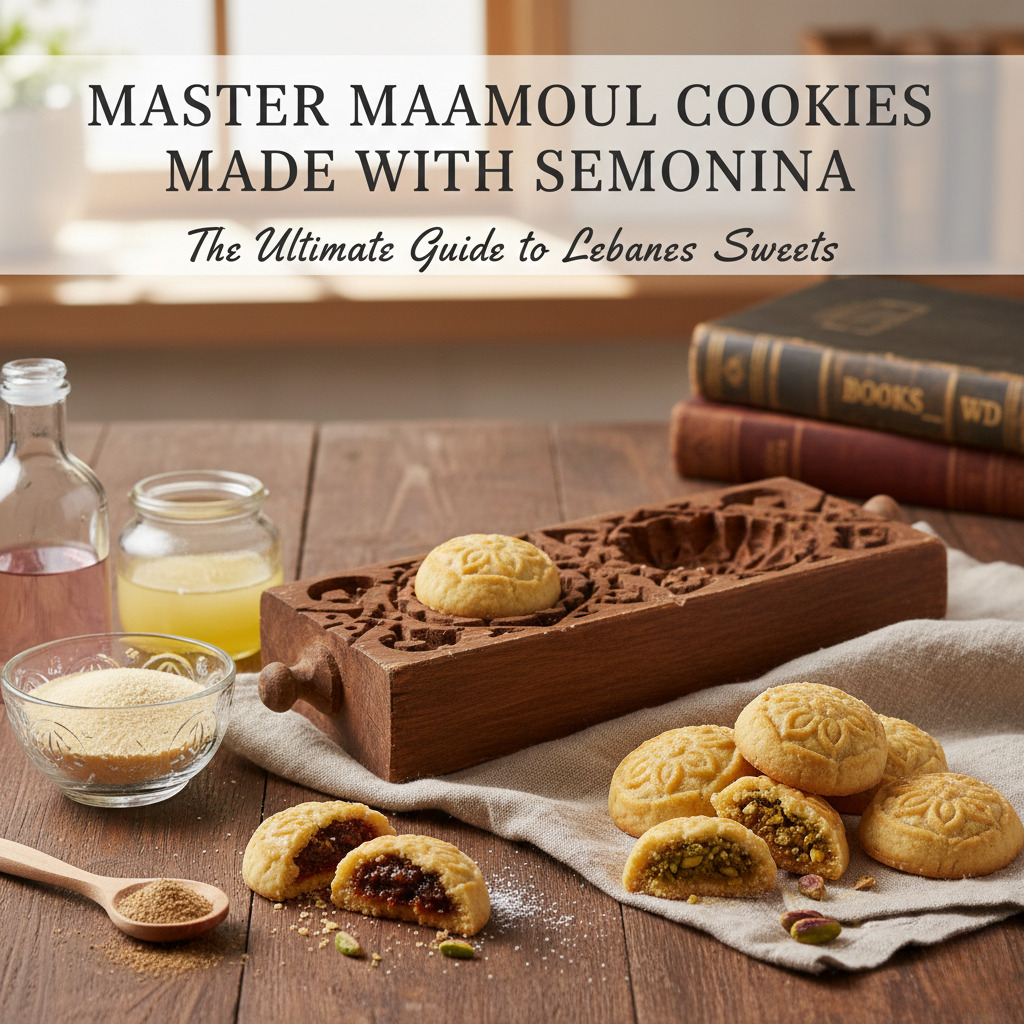
Ma’amoul cookies made with semolina are traditional Middle Eastern shortbread treats filled with dates or nuts. These cookies are famous for their crumbly texture and floral scents like rose water. In this guide, we explore the history, ingredients, and techniques needed to bake these authentic Lebanese cookies at home, ensuring they turn out perfectly every time.
The Joy of Traditional Middle Eastern Baking
Baking is more than just following a recipe; it is about the memories and smells that fill a home. In many cultures, the kitchen is the heart of the house. When you step into a kitchen where Middle Eastern sweets are being prepared, the air smells like a garden. You might catch the scent of orange blossoms or the sweet aroma of roasting nuts. These smells tell a story of traditions passed down through many years.
At Books_WD, we believe that sharing these traditions helps keep history alive. Baking together allows families to slow down and focus on creating something beautiful by hand. There is a special kind of pride that comes from pulling a tray of golden, patterned cookies out of the oven. It connects us to the people who baked these same treats a century ago.
Why Ma’amoul Cookies Made with Semolina Are a Family Favorite
If you are looking for a treat that is both sweet and satisfying, maamoul cookies made with semolina are the perfect choice. These cookies are a staple during holidays and celebrations. Unlike a standard sugar cookie, these have a unique texture. Because they use semolina instead of just white flour, they have a tiny bit of a crunch that melts away as you eat them.
Families love them because they aren’t overly sugary. The sweetness usually comes from the natural filling inside, like mashed dates or sweetened walnuts. This makes them a great snack to enjoy with a cup of tea or coffee. At Books_WD, we find that these cookies represent the best of hospitality. Offering a guest a handmade maamoul is a sign of respect and friendship.
What Exactly Are Lebanese Cookies?
When people talk about Lebanese cookies, they are often referring to a wide variety of shortbreads and pastries. However, maamoul is perhaps the most famous among them. In Lebanon, these cookies are a symbol of religious harmony, as they are baked by different communities to celebrate their respective holidays.
The Lebanese style often emphasizes the use of high-quality clarified butter, known as ghee. This gives the dough a rich, velvety taste. They also use “Mahlab,” which is a spice made from ground cherry pits. It gives the cookies a distinct, slightly nutty flavor that you won’t find in Western desserts. These small details are what make the Lebanese version stand out in the world of baking.
The Secret to the Perfect Mamool Recipe
The most important part of a mamool recipe is the dough’s resting time. You cannot rush these cookies. When you mix semolina with butter, the grains need time to soak up the fat. This process is called “rubbing” the dough. If you bake them too quickly, the cookies might feel gritty or hard.
Expert bakers suggest letting the dough rest for several hours, or even overnight. This ensures the semolina softens perfectly. Another secret is the temperature of your oven. You want the oven hot enough to cook the dough quickly so the filling stays moist, but not so hot that the beautiful patterns on top disappear. It is a delicate balance that comes with practice and patience.
Choosing Your Ingredients: Flour vs. Semolina
Many beginners wonder if they can just use regular all-purpose flour for these cookies. While you can make cookies with flour, they won’t be authentic maamoul. Semolina is made from durum wheat. It is coarser than flour and holds its shape much better. This is why maamoul cookies made with semolina have those beautiful, sharp designs on the outside.
Using semolina also changes how the cookie feels when you bite into it. Flour makes a soft, cake-like cookie. Semolina makes a sandy, shortbread-like cookie. For the best results, many experts use a mix of “fine” semolina and “extra fine” semolina. This combination provides the perfect structure while keeping the cookie tender enough to enjoy.
Mastering the Maamoul Recipe with Dates
The version filled with dates is perhaps the most popular. For a great result, you need to use high-quality date paste. If the dates are too dry, they will pull moisture away from the cookie dough, making the whole treat crumbly. You can add a little bit of butter or cinnamon to your date paste to keep it soft and flavorful.
When you assemble the cookies, make sure the dough wall is even all the way around the date ball. If one side is too thin, the filling might leak out. A well-made date maamoul should have a thin, golden crust and a generous amount of sweet, chewy fruit inside. It is the ultimate natural energy snack.
Exploring Nut Fillings: Pistachios and Walnuts
While dates are a classic, nut fillings offer a wonderful crunch. Pistachios are often mixed with a bit of sugar and rose water to create a bright green, floral center. Walnuts are usually paired with cinnamon or nutmeg for a warmer, deeper flavor.
Because the dough looks the same regardless of what is inside, bakers have a clever trick. They use different shapes for different fillings. Usually, the date cookies are flat and round. The pistachio cookies are often shaped like a tall dome, and the walnut ones might be an oval. This way, everyone at the table knows exactly which flavor they are picking up before they take a bite.
Essential Tools: Using the Traditional Wooden Mold
To get that professional look, you need a “maamoul mold.” These are usually carved out of wood and have beautiful geometric or floral patterns inside. You press the stuffed ball of dough into the mold, flatten it, and then sharply tap the edge of the mold against a table. The cookie pops out with the pattern pressed into the top.
If you don’t have a wooden mold, you can use a fork to create patterns, but it won’t look quite the same. The mold helps compress the dough just enough so it doesn’t crack in the oven. It is a tool that many families in Lebanon pass down through generations, often becoming a cherished heirloom in the kitchen.
How to Store and Serve Your Homemade Treats
Once your cookies are baked and cooled, you should dust them with a little bit of powdered sugar. This adds a final touch of sweetness and makes them look beautiful. To keep them fresh, store them in an airtight container. Because they have a low moisture content, these cookies can stay delicious for up to two weeks at room temperature.
They are best served on a large platter during a gathering. Whether you are in a bustling city or a quiet home in Beirut, these cookies bring people together. They are a reminder of the skill and love that go into traditional baking. Take your time, enjoy the process, and share the results with those you love.
If you want to try this at home, start with small batches to get a feel for the dough. Once you master the touch of the semolina, you will be able to make these treats for every special occasion.

