


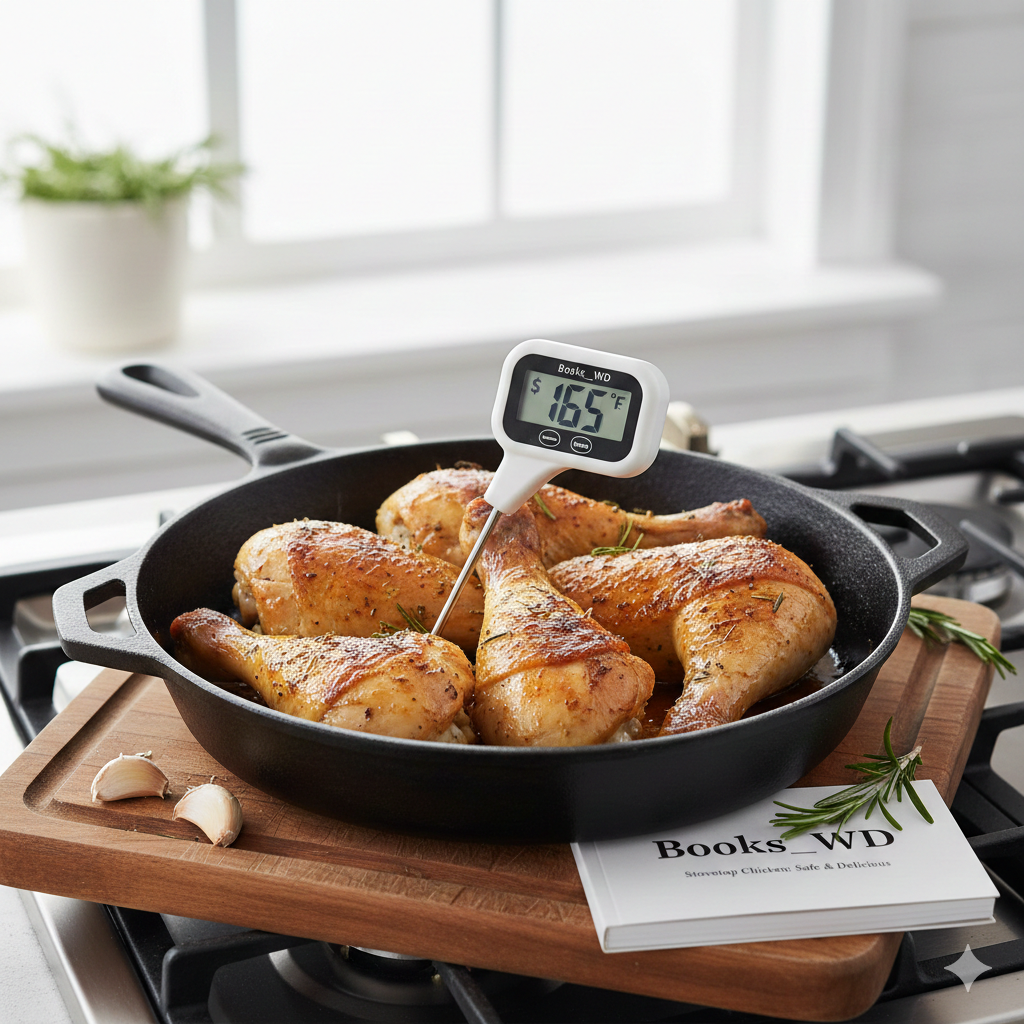
Skillet Apple Cider Chicken is a simple, one-pan dinner that brings the best flavors of the autumn season right to your plate. It combines tender, seared chicken with a sweet, tangy, and savory sauce made from fresh apple cider, butter, and seasonings. It’s a fast, family-friendly meal perfect for a weeknight.
This article, brought to you by Books_WD, will walk you through how to master this classic dish, making you feel confident and experienced in the kitchen.
A Warm and Flavorful Way to Enjoy Skillet Apple Cider Chicken
Imagine coming home to a meal that smells exactly like a crisp, perfect fall day. That is what you get when you make Skillet Apple Cider Chicken. This dish is much more than just a chicken recipe; it’s an experience. It takes simple chicken pieces and transforms them with the rich, slightly sweet taste of apple cider.
The magic happens right in one pan, the skillet. Cooking everything in one place saves time on cleanup and helps all the flavors mix perfectly. When the chicken, onions, and garlic cook together, and then the apple cider is added, it creates a deeply layered taste that feels both comforting and special. It’s an easy way to feel like an expert chef without spending hours over the stove.
Why the Simple Skillet Method Delivers the Best Flavor
The skillet is your best friend when making this meal. Using a heavy, wide pan (like cast iron or stainless steel) is the key to success. This method gives you two major benefits that lead to amazing flavor.
First, the skillet helps you get a beautiful brown, crisp crust on your chicken. We call this “searing.” When you sear chicken over medium-high heat, the outside gets golden, while the inside stays juicy and tender. This texture is impossible to get if you just boil or bake the meat.
Second, as the chicken cooks, it leaves behind tasty brown bits at the bottom of the pan. These bits are called “fond,” and they hold a ton of flavor. When you pour in the apple cider later, it mixes with the fond, lifting all those flavors right into your sauce. This single-pan method means no flavor is wasted. It’s the simple secret to a truly rich and deep sauce.
The Few Essential Ingredients That Make This Dish Shine
You don’t need a long list of fancy items to make this dish taste incredible. The power of this recipe is how well the few main ingredients work together.
The star, of course, is the chicken. We suggest using boneless, skinless chicken thighs. Why thighs? They stay juicy and moist even if you cook them a little longer. If you prefer, chicken breasts work too, but be careful not to overcook them. You want about four to six pieces, depending on their size.
Next, you need the base flavors: butter and oil for searing, a little minced garlic, and perhaps a small onion, sliced thin. These are the foundations of almost every great sauce.
The two most important flavor makers are:
- Apple Cider: Make sure you buy real, non-alcoholic apple cider, not apple juice. Cider is thicker and has a stronger, more complex apple flavor.
- Seasonings: You will need salt and pepper, plus a touch of a warm spice like dried sage or a pinch of cinnamon. This helps bring out the feeling of fall and pairs perfectly with the cider. A little vinegar, like apple cider vinegar, can also be added later to balance the sweetness.
Before you start cooking, make sure your chicken pieces are dry. Patting them down with a paper towel helps them brown better and faster when they hit the hot skillet.
Step-by-Step Guide to Searing Chicken for a Perfect Finish
Searing is the moment when the chicken gets its color and much of its texture. It’s easy, but you need to follow a few simple rules for success.
Rule 1: Hot Pan, Hot Fat. Place your skillet on the stove and turn the heat to medium-high. Add a mix of cooking oil (like vegetable or canola) and a tablespoon of butter. The fat is ready when the butter has melted and the mixture is shimmering lightly.
Rule 2: Don’t Crowd the Pan. Place the chicken pieces into the hot fat, but make sure they aren’t touching each other. If you put too many pieces in, the pan cools down too fast. This makes the chicken steam instead of sear, and you lose that nice crust. If needed, cook the chicken in two separate batches.
Rule 3: Leave It Alone. Once the chicken is in the pan, resist the urge to move it. Let it cook, undisturbed, for about four to six minutes. You will know it is ready to flip when the edges look white, and you can easily lift the piece off the pan with tongs if it sticks, it needs more time.
Rule 4: Flip and Finish. Flip the chicken and cook the second side for another five minutes. The chicken doesn’t need to be completely cooked through at this stage, since it will simmer later in the sauce. The goal here is just that deep, beautiful brown color on both sides.
Once all the chicken is seared, take it out of the pan and set it aside on a clean plate. This leaves you with those precious brown bits (the fond) in the skillet, ready for the next step.
How to Create That Rich, Delicious Apple Cider Sauce
Now we use those tasty brown bits left in the pan to make the incredible sauce. This is where the simple ingredients truly build into something special.
First, turn the heat down to medium-low. Add the sliced onions and cook them for about three minutes until they soften up. Next, add the minced garlic and cook for just one minute more. Be careful not to let the garlic burn; burned garlic tastes bitter.
Now, pour in the apple cider. This step is called “deglazing.” As the cider hits the hot pan, use a wooden spoon to scrape up all the brown bits from the bottom. This process releases all the flavor into the liquid, making the sauce instantly rich.
Let the cider bubble and simmer. You want it to reduce in volume by about half. As it cooks, the water in the cider evaporates, leaving behind a thicker liquid with a highly concentrated apple flavor. This usually takes about ten to fifteen minutes. The color of the sauce will become darker and more golden.
Once the sauce is thick and flavourful, it is time to put the chicken back in the pan. Arrange the seared chicken pieces in the skillet so they are partially sitting in the sauce. Let the whole dish simmer gently for another five to eight minutes until the chicken is fully cooked through. A thermometer inserted into the thickest part should read 165 for chicken thighs or breasts.
Just before serving, take the pan off the heat and stir in a final tablespoon of butter. The butter adds a beautiful, glossy shine to the sauce and makes it taste richer. For an added layer of flavor, you can also stir in a small amount of fresh thyme or sage. This simple finish makes all the difference.
Expert Tips for Serving and Pairing Your Meal
A great main dish deserves great sides. Choosing the right partner for your Skillet Apple Cider Chicken helps balance the flavors and makes the meal feel complete. Since the sauce is rich and slightly sweet, the best sides are often simple and creamy or light and green.
Here are some excellent choices:
- Mashed Potatoes or Sweet Potatoes: The creamy texture soaks up the extra cider sauce perfectly. This is a classic, comforting pairing that everyone enjoys.
- Roasted Root Vegetables: Think carrots, parsnips, or cubes of butternut squash. Roasting brings out their natural sweetness, which compliments the apple cider beautifully.
- Simple Green Vegetables: A quick side of steamed green beans or asparagus, seasoned with just salt and pepper, provides a fresh, clean contrast to the heavy sauce. A simple green salad also works well.
- Wild Rice or Brown Rice: These provide a healthy, hearty base and a neutral flavor that allows the chicken and sauce to be the main focus.
Remember, the flavor combination of savory chicken and sweet cider is very popular in places like Seattle during the harvest season, and it’s a taste that is appreciated everywhere. Think about the textures you want: if the sauce is smooth, a crispy side like a fresh salad adds a nice crunch.
Quick Solutions to Fix Common Sauce Mistakes
Even experienced cooks run into small problems now and then. The good news is that most sauce issues are easy to fix.
Problem 1: The Sauce is Too Thin.
If the cider has been simmering for 15 minutes but still looks watery, you need a quick way to thicken it. The easiest solution is to make a simple cornstarch slurry. Mix one teaspoon of cornstarch with two teaspoons of cold water in a tiny cup. Stir this mix quickly into the simmering sauce. The sauce will thicken in about one minute. If it’s still too thin, repeat the process.
Problem 2: The Sauce is Too Sweet.
Apple cider can sometimes be very sweet, depending on the brand. If your sauce tastes sugary, you need to balance it with acid. Stir in one teaspoon of apple cider vinegar or a squeeze of fresh lemon juice. This sharp, sour flavor will cut through the sweetness immediately and brighten the whole dish.
Problem 3: The Chicken Dried Out.
If your chicken pieces look dry, it likely means they cooked too long before the sauce was thick enough. While there’s no undo button, you can save the dish by slicing the chicken thinly before serving and pouring the sauce generously over the top. The moisture from the sauce will help a lot. Next time, remember to remove the chicken while the sauce is reducing and only add it back for the final, short simmer.
Making Ahead: Preparing and Storing Your Skillet Apple Cider Chicken
Life is busy, and sometimes the best meals are the ones you can get ready ahead of time. This Skillet Apple Cider Chicken is a great dish for meal prepping or making on a weekend.
Preparation Tips (The Day Before):
You can do two main things ahead of time. First, season your chicken and keep it covered in the refrigerator. Second, chop your onions and mince your garlic and store them in small containers. Getting these steps out of the way means you can have the full meal ready in under 20 minutes when you are ready to cook.
Storing Leftovers:
This dish stores very well. Once the meal is fully cooked, let it cool down to room temperature for about 30 minutes. Then, place the chicken and all the sauce into an airtight container. It can be safely stored in the refrigerator for three to four days.
Reheating the Dish:
The best way to reheat leftovers is gently on the stovetop. Place the chicken and sauce back into a skillet over low heat. Cover the pan and let it warm up slowly until the chicken is hot all the way through. This gentle heat keeps the chicken from drying out. You can also use a microwave, but the stovetop always gives better results. For more great meal prep ideas, check the Books_WD archives.
Why This Recipe Will Become a New Favorite in Your Rotation
This Skillet Apple Cider Chicken is a winner because it offers so much in one package: simple ingredients, fast clean-up, and an incredible depth of flavour that is perfect for a cozy dinner. It demonstrates that you don’t need a lot of complexity to create a high-quality meal that tastes like you spent hours on it. It’s a rewarding dish that always gets compliments. It is a fantastic example of simple, flavour-forward cooking.

