


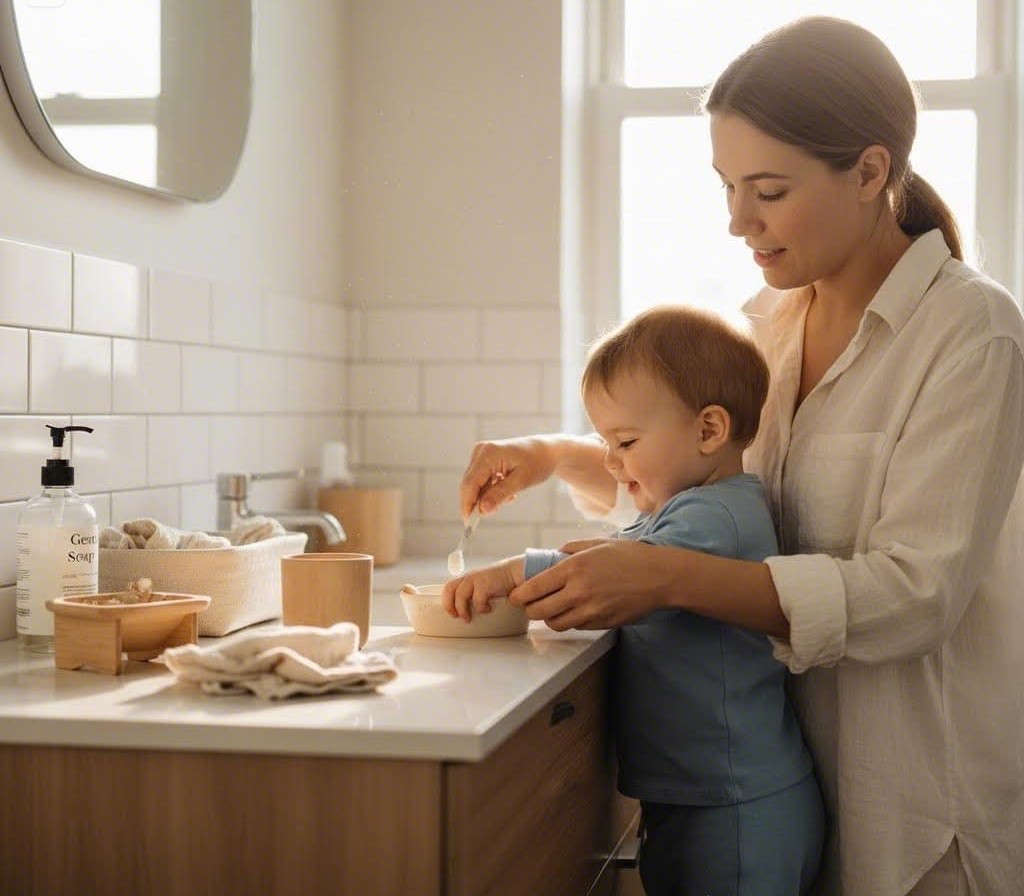
Self help skills are the everyday tasks children learn so they can take care of themselves. These skills include dressing, feeding, cleaning up, and more. They help toddlers and preschoolers grow confident and independent. With patience, simple routines, and the right guidance, families can support children of all abilities as they learn to do things on their own.
Why Early Skills Matter in a Child’s Daily Life
Children grow fast, and their daily routines shape how they see themselves in the world. The small things adults do without thinking, like putting on shoes or cleaning up after a snack, take real effort for a child who is still learning. Building these early abilities is important because they help children feel capable and safe. When a child learns something new, even a tiny task, it strengthens their thinking, problem solving, and emotional confidence. These skills also support healthy habits later in life.
Parents often ask how early these abilities matter. The simple answer is that they matter from the very beginning. The moment a toddler tries to feed themselves or hold a cup, they are already learning the building blocks of independence. These small wins set the stage for future success at home and in school.
Understanding How Children Learn to Do Things on Their Own
Children learn best through doing. Watching adults helps, but real learning happens when they try, make mistakes, and try again. Toddlers and preschoolers build self care skills through repetition. When a child sees a routine happen every day, like brushing their teeth or picking up toys, the steps become familiar.
At first, these tasks may take longer and may not look perfect. That is normal. What matters is the effort, not perfection. When an adult guides a child with patience and simple words, the child learns the order of tasks and gains confidence. This creates a foundation for bigger responsibilities as they grow older.
Learning independence does not mean doing everything alone. It means doing what they can, with support when needed. Encouragement, praise, and gentle reminders help them believe in their own abilities.
What Are Self Help Skills and Why They Support Healthy Growth
Many parents wonder, what are self help skills? These are the everyday actions children learn so they can take care of themselves. They include dressing, eating, washing hands, brushing teeth, using the bathroom, tidying up, and other small tasks. These abilities help children gain independence, prepare for school, and build confidence.
Self help skills also teach problem solving. A child who figures out how to zip a jacket or pour water into a cup is learning patience and coordination. These skills also build social confidence because children feel proud when they can do things without constant help. Self help skills also support emotional well being, since children feel stronger and more capable.
For families in the United States, these abilities play a big part in preparing children for school settings where independence is encouraged.
The Most Common Self Help Skills for Toddlers
Toddlers work hard to build basic abilities. Their skills may be simple, but they form the base of later growth. Some of the first self help skills for toddlers include:
• Feeding themselves with a spoon or fork
• Holding a cup with fewer spills
• Washing and drying their hands
• Trying to put on socks or simple clothing
• Helping pick up toys
• Brushing teeth with supervision
These tasks take time. Toddlers may spill food, drop clothes, or forget steps. This is normal. The goal is not perfection, but practice.
Many toddlers also begin to show interest in assisting skills. They may help push a chair in, throw something in the trash, or try to open a small container. These early moments show they are ready to learn more.
Parents can support them by keeping tasks simple. Breaking tasks into small steps makes learning easier. Encouraging a child to try again teaches patience without stress.
Self Help Skills in Preschoolers and How They Build Confidence
Preschoolers have stronger motor skills and a better understanding of routines. This is a great age to support self help skills in preschoolers. Children in this stage can:
• Dress themselves with fewer reminders
• Use the bathroom with some independence
• Wash their face and hands
• Help set the table
• Pour small drinks
• Clean up toys or materials
• Practice early self care skills like brushing hair
These skills prepare preschoolers for structured environments like classrooms. When a child feels capable, they participate more, ask questions, and engage socially. This builds emotional confidence because they see themselves as helpful and responsible.
Parents can encourage these skills by giving children choices. For example, choosing between two shirts or deciding which shoes to wear helps them practice independence. Routines also help. When children know what to expect, they feel calmer and more responsible.
When Should We Teach Self Help Skills to Young Children
Parents often ask, when should we teach self help skills? The answer is simple. Start early, but follow the child’s pace. Toddlers can begin learning easy tasks, while preschoolers can handle more steps. There is no single age when everything must be mastered. Every child grows at their own speed.
The key is consistency. A child learns faster when the same task happens in the same order every day. For example, brushing teeth after breakfast or washing hands before meals becomes a routine they remember.
If a child struggles with a task, show them again without rushing. Encouragement helps them stay motivated. If a child shows interest in doing something new on their own, it usually means they are ready to learn.
How Self Care Skills Support Children With Autism and Other Needs
Children with autism or other developmental needs may take a little more time to learn self help skills. That does not stop them from making progress. They often learn well with clear steps, visuals, and gentle practice.
Parents and caregivers can support these skills in many ways:
• Break tasks into small steps
• Use pictures or simple checklists
• Show each step slowly
• Use calm, encouraging language
• Practice one part of a task at a time
• Celebrate effort, not perfection
These approaches help children learn confidently. Many children with autism respond well to structure. When they see the same routine every day, the steps become familiar and easier to follow.
Self help skills also teach independence and reduce stress. When a child can feed themselves, wash their hands, or manage a simple routine, they feel more in control. Over time, these skills support school readiness and social interaction.
Practical Ways Parents Can Teach Self Help Skills at Home
Teaching self help skills at home does not need to be complicated. A few simple habits make learning easier:
1. Keep routines simple
Repeating tasks daily helps children remember each step.
2. Offer small choices
Choosing between two shirts or two snacks teaches decision making.
3. Use short instructions
Simple words like coat first or shoes next help children stay focused.
4. Let them try
Children learn by doing. Even if it takes longer, give them space.
5. Praise effort
Saying you tried hard or nice job putting your shoes on builds confidence.
6. Model the task
Children learn by watching. Show the steps slowly, then let them try.
7. Break tasks into small parts
Instead of dressing yourself, try starting with our socks or pulling your jumper up.
8. Make things easy to reach
Low hooks, baskets, or shelves help children access their things without constant help.
9. Stay patient
Every child learns at a different pace. Gentle reminders work better than pressure.
These simple tools help build independence in a way that feels natural and encouraging.
How Books_WD Encourages Growth Through Learning Tools and Activities
Families often look for tools that support learning at home. Books_WD focuses on offering resources that help children build strong self care habits. Stories, activity books, and guided lessons give children fun ways to explore new skills. These tools help children understand routines, follow steps, and stay engaged with learning.
Books_WD also supports parents by offering materials created with care and understanding. Each tool is designed to be simple, clear, and easy for young learners.
Conclusion
Self help skills are the everyday tasks that help children grow confident and independent. They prepare toddlers and preschoolers for school, social settings, and life. When parents use simple routines, clear steps, and gentle guidance, children learn faster and feel proud of their progress. With patience and practice, every child can grow stronger in their abilities and independence.
If you want helpful tools that support your child’s growth, explore our resources and see how these simple learning aids can make daily routines easier and more enjoyable.

