

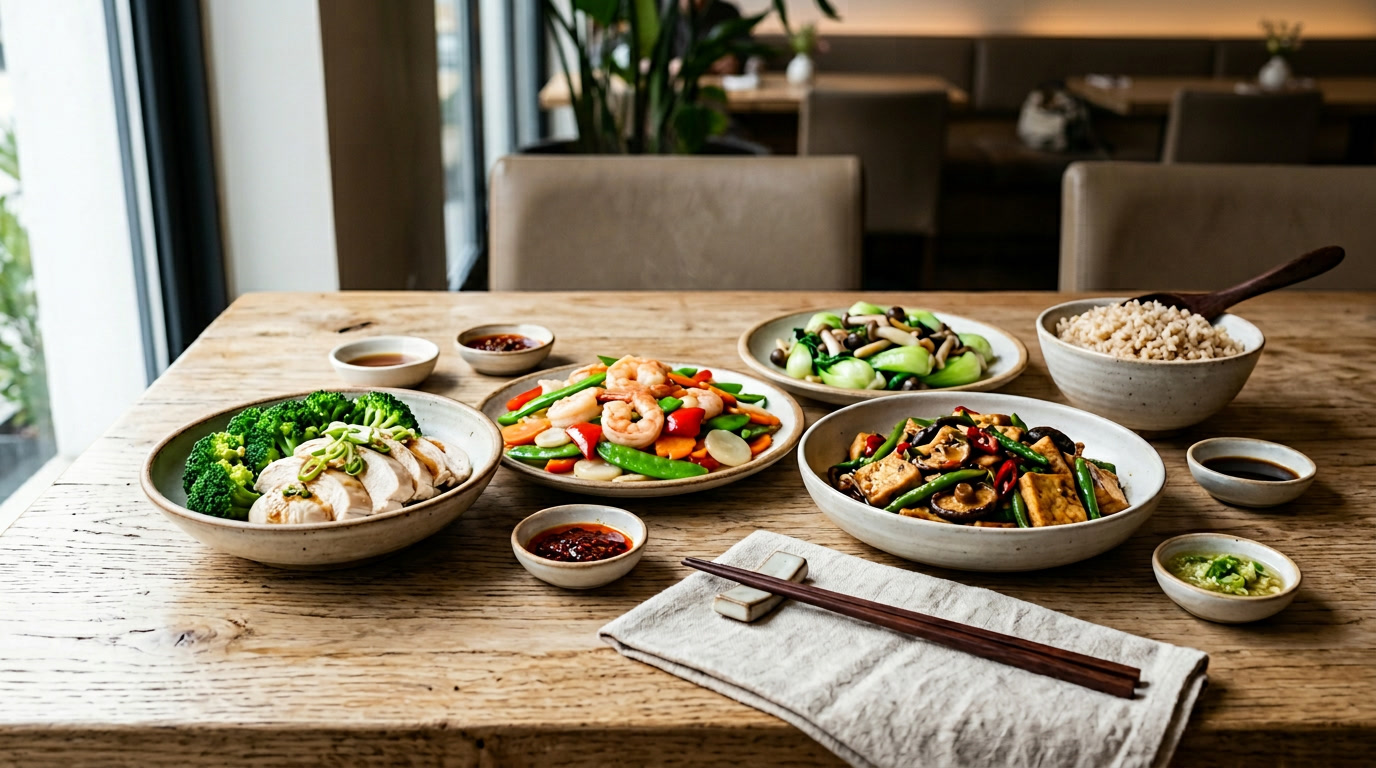
Many people ask, is Chinese food healthy for you? The honest answer is yes, it can be. It can also be less healthy in some cases. The result depends on the dish you choose, the ingredients used, the cooking method, the portion size, and how often you eat it.
Chinese food is not one single type of meal. It includes many cooking styles, ingredients, and flavors. Some dishes are packed with vegetables, lean protein, and balanced portions. Others are deep fried, covered in sugary sauce, or served in very large amounts. That is why the question needs a smart and balanced answer.
For example, a plate of steamed shrimp with broccoli and a side of rice is very different from a large order of sweet fried chicken with fried rice and extra sauce. Both may come from the same menu, but they affect your nutrition in very different ways.
Many people think healthy eating means giving up foods they enjoy. That is not true. In most cases, better choices matter more than perfect choices. You can enjoy Chinese food and still support your goals when you understand what to look for.
Clear answer: Chinese food can be healthy when you choose meals with vegetables, lean protein, lighter cooking methods, and sensible portions. Fried foods, heavy sauces, and oversized meals are the main things to limit.
Summary: Chinese food is not automatically healthy or unhealthy. Some dishes are balanced and full of nutrients. Others are high in sodium, sugar, and calories. The best choice depends on the meal itself.
Books_WD created this guide to give you real, practical advice you can use the next time you order.
Why Chinese Food Can Be Both Healthy and Unhealthy
People often place foods into two boxes, healthy or unhealthy. Real nutrition is not that simple. Most foods sit somewhere in the middle, and the full picture depends on ingredients, portions, and frequency.
Chinese food is a great example of this. It can be both healthy and unhealthy because the menu includes many different kinds of dishes.
What Makes a Meal Healthier
A healthier meal often includes:
- Vegetables
- Lean protein
- Moderate portions
- Light sauces
- Fiber-rich ingredients
- Less added sugar
- Reasonable oil use
These parts help create a balanced plate that gives energy and satisfaction.
What Can Make a Meal Less Healthy
A less healthy meal often includes:
- Deep frying
- Heavy breading
- Large portions
- Sugary sauces
- Very high sodium
- Low vegetable content
- Too many refined carbs
This does not mean you can never eat those foods. It simply means they may be better as occasional choices.
A Simple Comparison
Meal A: Chicken and broccoli with steamed rice
Meal B: Fried chicken in sweet sauce with fried rice and egg rolls
Meal A likely offers more protein, vegetables, and balance. Meal B may be higher in calories, added fats, and sugar.
Why Labels Can Be Misleading
Some people say Chinese food is unhealthy because they remember one rich takeout meal. Others say it is healthy because they think of vegetable stir fry or soup. Both views can be true depending on the dish.
That is why smart choices matter more than broad labels.
What Makes Traditional Chinese Diets Different From Fast Takeout
Many people only know Chinese food through takeout menus. That shows one side of the story, but not the full picture.
Traditional Chinese diet patterns often focus on balance, variety, fresh ingredients, and shared meals. Meals may include vegetables, rice, soup, tofu, fish, and smaller portions of meat.
Common Features of Traditional Meals
Many home-style meals include:
- Leafy greens
- Bok choy
- Cabbage
- Mushrooms
- Rice in moderate portions
- Tofu
- Fish
- Chicken
- Garlic
- Ginger
- Scallions
- Soup
These foods can support balanced eating when prepared in simple ways.
Why Takeout Can Feel Different
Takeout restaurants often design food for speed, strong flavor, and customer demand. That can lead to:
- Larger portions
- More oil
- Sweeter sauces
- Saltier flavors
- Crispy fried textures
- Heavier combos
These choices are not automatically bad. They simply change the nutrition profile of the meal.
Shared Meals vs Giant Portions
Traditional meals are often shared among several people with multiple dishes on the table. This can naturally create variety and smaller portions.
Modern takeout may come as one large container meant for one person, even if it holds enough food for two servings.
The Big Lesson
If you choose dishes that feel closer to simple home cooking, you often get a healthier result. Think vegetables, lighter sauces, soups, tofu, seafood, and balanced rice portions.
Chinese Food Nutrition Facts, Calories, Protein, Carbs, and Sodium
To understand chinese food nutrition, it helps to break meals into parts. Instead of asking if the whole category is healthy, ask what each dish brings to the table.
Calories
Calories measure energy in food. A meal can be lower or higher in calories depending on:
- Frying vs steaming
- Sauce amount
- Portion size
- Added oils
- Sugar content
A steamed vegetable dish with chicken may be much lighter than a fried dish with sticky sauce.
Protein
Protein helps build and repair the body. It can also help you feel full.
Good protein choices on many menus include:
- Chicken
- Shrimp
- Fish
- Tofu
- Eggs
- Lean beef
Meals with protein and vegetables are often more satisfying than meals based mostly on carbs.
Carbs
Carbohydrates give energy. Chinese meals may include:
- White rice
- Brown rice
- Noodles
- Fried rice
- Dumpling wrappers
Carbs are not the enemy. The key is portion size and pairing them with protein and vegetables.
Sodium
Chinese food sodium is one of the most common concerns. Soy sauce, broths, seasoning mixes, and prepared sauces can add up quickly.
High sodium intake over time may be a concern for some people, especially those managing blood pressure. If this matters to you, ask for light sauce or sauce on the side.
Fiber
Fiber supports digestion and helps with fullness. You can find more fiber in:
- Vegetables
- Brown rice
- Tofu dishes with vegetables
- Mushroom dishes
- Cabbage and greens
Fat
Fat is part of a normal diet, but amount and source matter. Meals with deep frying or heavy oil use may be higher in fat than steamed or lightly stir-fried dishes.
Balanced Example
A bowl with shrimp, broccoli, mushrooms, and rice offers protein, carbs, fiber, and nutrients in one meal.
Healthiest Chinese Food Dishes to Choose More Often
If you want healthy chinese food, start with dishes that feature real ingredients and lighter cooking styles.
Chicken and Broccoli
This classic choice is popular for a reason. It combines lean protein with vegetables. Ask for light sauce if possible.
Shrimp With Mixed Vegetables
Shrimp is a lean protein, and vegetables add fiber and nutrients. This is often a strong option.
Tofu With Vegetables
Tofu provides plant protein and works well with bok choy, mushrooms, broccoli, and cabbage.
Steamed Fish
Fish can be a great source of protein. Steamed fish often uses less oil and lets natural flavor shine.
Vegetable Stir Fry
A vegetable-rich stir fry can be colorful, filling, and nutritious. Ask for lighter oil when possible.
Moo Goo Gai Pan
Often made with chicken and vegetables in a lighter sauce, this can be a balanced choice.
Egg Drop Soup
A lighter starter that may help satisfy hunger before the main meal.
Hot and Sour Soup
Depending on the recipe, this can be a flavorful option with a lighter feel than fried starters.
Buddha’s Delight
Many versions focus on vegetables and tofu. It can be a strong plant-forward meal.
Steamed Dumplings
These may be a better option than deep fried appetizers. Portion size still matters.
What These Meals Have in Common
The healthiest chinese food dishes usually focus on vegetables, protein, and moderate sauce instead of batter and sugar.
Chinese Takeout Healthy Options, What to Order and What to Skip
Takeout can still fit a healthy routine. You just need a simple strategy.
Better Choices to Order
- Chicken and broccoli
- Shrimp with vegetables
- Tofu with mixed vegetables
- Steamed chicken dishes
- Vegetable stir fry
- Soup-based starters
- Brown rice if available
- Sauce on the side
Choices to Limit More Often
- Deep fried chicken dishes
- Heavy sweet sauces
- Large fried rice portions
- Cream cheese fried appetizers
- Giant noodle platters
- Combo meals with many fried items
Smart Ordering Tips
Ask for Sauce on the Side
This gives you control over flavor and sodium.
Add Extra Vegetables
Extra vegetables improve fiber and volume.
Split the Meal
Many takeout meals are large enough for two servings.
Choose One Indulgence, Not Three
If you want fried rice, maybe skip the fried appetizer. If you want dessert, choose a lighter main dish.
Start With Soup
Soup may help reduce the urge to overeat.
Eat Slowly
It takes time for fullness signals to catch up.
Practical Mindset
Healthy chinese takeout does not require perfection. It requires a few smart habits used consistently.
Is Chinese Food Good for Weight Loss or Better Eating Goals?
Yes, Chinese food can work for weight loss or better eating goals when you build meals around satisfaction and balance.
Why Some Meals Help More Than Others
Meals with protein and vegetables often keep you full longer. This can make it easier to manage total calories.
Examples:
- Chicken and broccoli
- Tofu stir fry
- Shrimp with vegetables
- Soup plus a smaller entrée
Portion Control Matters
Even a balanced meal can become too heavy if the portion is huge.
Try these ideas:
- Save half for later
- Share with someone
- Plate your food instead of eating from the container
- Pause halfway through
Choose Lower Calorie Chinese Food Options
Good options may include:
- Steamed dishes
- Light stir fry
- Vegetable soup
- Smaller rice portions
- Lean protein meals
Keep Foods You Enjoy
Many people fail because they try to cut out favorite foods forever. A smarter plan is learning how to enjoy them in better ways.
Real Progress Looks Boring
It often looks like:
- Better portions
- More vegetables
- Less sauce
- More consistency
- Fewer extreme swings
That may not sound exciting, but it works.
Sauces, Fried Rice, and Hidden Ingredients That Change the Meal
Sometimes the main ingredient is fine, but extras change the whole nutrition picture.
Sauces
Sauces bring flavor, but they may also add:
- Sugar
- Sodium
- Calories
Sweet glazes and thick brown sauces can turn a lighter dish into a heavier one.
How to Handle Sauce Smartly
- Ask for sauce on the side
- Use a smaller amount
- Taste before adding more
- Mix sauce into rice or vegetables for better spread
Fried Rice
Fried rice can fit into your diet, but portion size matters. It often includes added oil and can be easy to overeat.
A smaller serving beside vegetables and protein is usually a better approach than making it the entire meal.
Breading and Frying
Breading changes texture and taste, but it can increase calories when paired with frying.
Hidden Oils
Even vegetable dishes can become heavy if lots of oil is used. Asking for light oil may help.
Sugary Drinks
A balanced meal can quickly become less balanced with large sugary drinks. Water or unsweetened tea can be simpler choices.
The Main Rule
When a meal is built around vegetables and protein, it is often easier to fit into healthy eating goals.
How to Make Chinese Restaurant Meals Healthier at Home or When Dining Out
You do not need to give up restaurant meals. Small choices can improve the whole experience.
At the Restaurant
Decide Before You Arrive
Choose a balanced meal in advance if you can.
Start With Vegetables or Soup
This may help control hunger.
Share Rich Dishes
If you love a heavier favorite, share it and enjoy a smaller portion.
Use Chopsticks if You Like
Eating slower may help some people notice fullness sooner.
Ask Questions
You can ask for light sauce, steamed rice, or extra vegetables.
At Home
Build a Better Plate
Try this simple guide:
- Half vegetables
- Quarter protein
- Quarter rice or noodles
Cook Fast Stir Fry Meals
Use chicken, tofu, shrimp, garlic, ginger, and vegetables in a hot pan.
Keep Frozen Vegetables Ready
They save time and make healthy meals easier.
Use Strong Flavors Smartly
Garlic, ginger, sesame oil, scallions, and chili can add big flavor in small amounts.
Try Brown Rice Sometimes
It can add more fiber than white rice.
Dining Out Tip
If you are eating out in Las Vegas or anywhere else, the same rules apply. Choose balanced dishes, watch portions, and enjoy the experience without overthinking every bite.
Final Verdict, Can Chinese Food Fit a Healthy Lifestyle?
Yes, Chinese food can fit a healthy lifestyle. The best answer depends on the meal you choose, how it is prepared, and how much you eat.
Meals built with vegetables, lean protein, tofu, seafood, soup, and moderate carbs can be balanced, satisfying, and enjoyable. Fried foods, oversized portions, and sugary sauces are the main things to watch more carefully.
The smartest question is not whether all Chinese food is healthy or unhealthy. The smarter question is, what is the best choice on this menu today?
That simple shift can help you enjoy food while caring for your health at the same time.
Healthy eating does not need to feel strict or stressful. It can feel practical, flexible, and realistic. One smart choice today can lead to another tomorrow.
Books_WD believes food advice should be honest and useful, not confusing. When you understand how meals are built, you can order with more confidence and less stress.
If you enjoy Chinese food, start with one easy step this week. Choose a lighter dish, ask for sauce on the side, add extra vegetables, or save half for later. Small habits repeated over time can create real results.
