


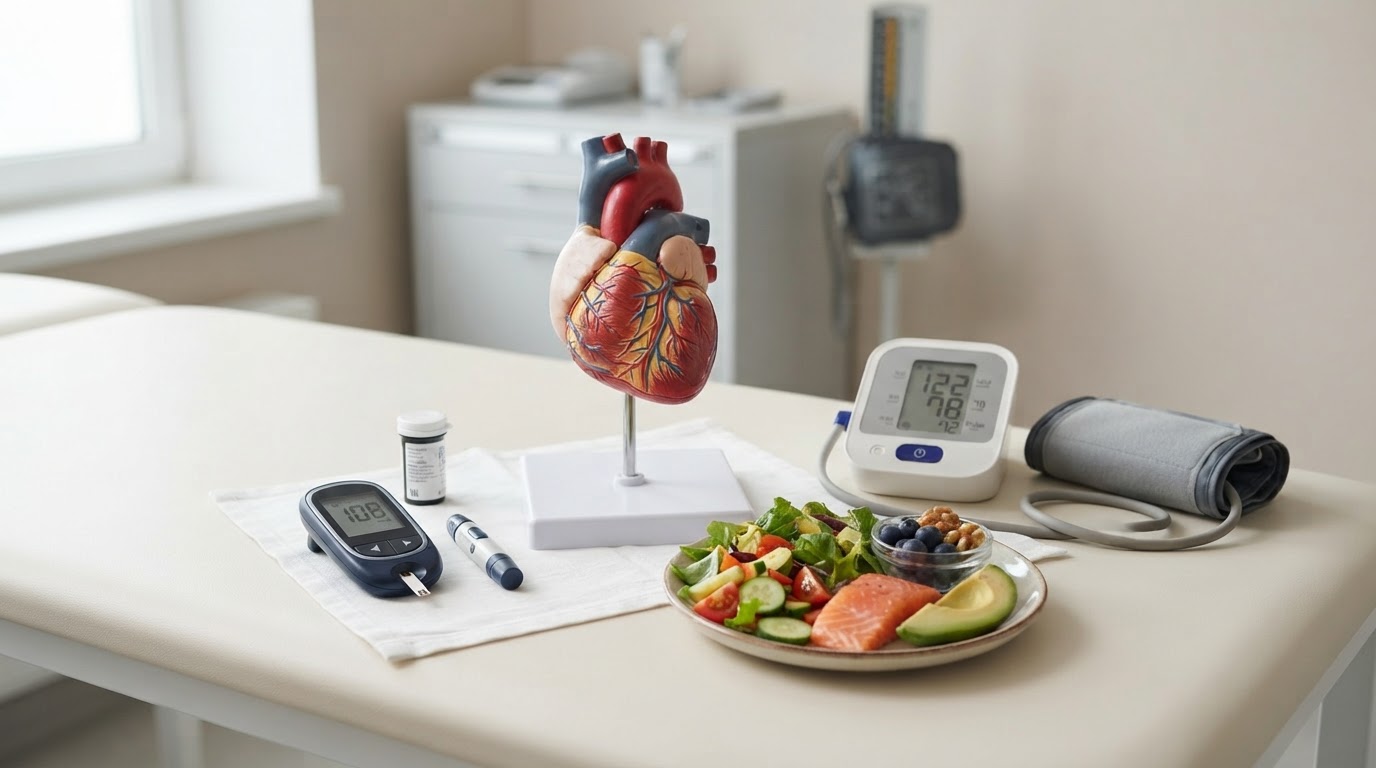
Is diabetes a risk factor for cardiovascular disease? Yes. Diabetes is a major risk factor for heart disease, stroke, heart failure, and blood vessel disease. Adults with diabetes are nearly twice as likely to develop heart disease or have a stroke as adults without diabetes. High blood sugar can damage blood vessels and the nerves that control the heart. High blood pressure, unhealthy cholesterol, kidney disease, smoking, and excess weight can raise the risk even more.
Having diabetes does not mean heart disease is certain. Managing blood sugar, blood pressure, cholesterol, weight, physical activity, and tobacco use can lower the chance of serious heart problems.
1. Understanding Diabetes and Cardiovascular Disease
Diabetes is a condition that affects how the body controls glucose in the blood. Glucose provides energy, but too much glucose can harm tissues over time.
Cardiovascular disease is a broad term for conditions involving the heart and blood vessels. It includes coronary artery disease, heart attack, stroke, heart failure, and peripheral artery disease. Coronary artery disease develops when plaque narrows the arteries that carry blood to the heart. A similar process can reduce blood flow to the brain or limbs.
Type 1 and type 2 diabetes can both raise cardiovascular risk. The connection is especially clear in type 2 diabetes because it often occurs with high blood pressure, unhealthy cholesterol, insulin resistance, obesity, and kidney disease.
These conditions affect one another. For example, insulin resistance may contribute to high blood sugar and unhealthy blood fat levels. High blood pressure can damage artery walls. Cholesterol can collect in those damaged areas and form plaque.
Over time, the combined damage can make a heart attack, stroke, or heart failure more likely.
2. The Direct Link Between Diabetes and Heart Risk
High blood sugar can harm the inner lining of blood vessels. Healthy blood vessels are flexible and allow blood to move smoothly. Damaged vessels may become stiff, inflamed, or more likely to collect fatty material.
The buildup of fat, cholesterol, and other substances inside an artery is called plaque. Plaque narrows the space available for blood flow. It may also break open and cause a blood clot. A clot that blocks blood flow to the heart can cause a heart attack. A clot that blocks blood flow to the brain can cause a stroke.
Diabetes can also damage the nerves that help control heart rate and blood pressure. This nerve damage may affect how the heart responds to activity, stress, or changes in body position.
People with diabetes may develop cardiovascular disease earlier than people without diabetes. The risk usually rises with the number of years a person has diabetes, especially when blood sugar remains above the personal target.
Even good blood sugar control does not remove every part of the risk. Heart protection should also include blood pressure, cholesterol, kidney health, activity, nutrition, and smoking status.
3. How High Blood Sugar Damages Blood Vessels
Blood sugar moves throughout the body in the bloodstream. When glucose remains high for a long time, it can cause chemical changes that damage blood vessel walls.
The body may respond to this damage with inflammation. The injured area can attract cholesterol and other materials. Plaque may then begin to form.
High glucose may also reduce the normal production of substances that help blood vessels relax. As a result, arteries may become less flexible. The heart must work harder to move blood through stiff or narrow vessels.
This process often happens slowly. A person may feel well while blood vessel damage continues.
An A1C test measures average blood sugar during the previous 2 to 3 months. For many adults with diabetes, an A1C below 7 percent is a common goal. Personal targets may be different based on age, health, medicine, and the risk of low blood sugar.
Keeping blood sugar near a safe target can reduce damage, but heart protection should not depend on A1C alone. A person with a good A1C may still have high blood pressure, high LDL cholesterol, kidney disease, or another major risk.
4. Why High Blood Pressure Adds More Danger
High blood pressure means blood pushes against artery walls with too much force. This pressure can injure the inner surface of the arteries and make it easier for plaque to form.
The heart must also work harder to pump against higher pressure. Over time, the heart muscle may become thicker, weaker, or less able to fill and pump normally.
Diabetes and high blood pressure commonly occur together. When both are present, the chance of heart attack, stroke, kidney disease, and other circulation problems rises further.
High blood pressure often causes no symptoms. Regular checks are important even when a person feels healthy.
The right target depends on the individual. Age, kidney health, fall risk, medicine side effects, and existing heart disease may affect the goal.
People should not stop blood pressure medicine because one reading looks normal. A normal reading may show that the medicine is working.
5. Cholesterol and Plaque Buildup
Cholesterol is a waxy substance that the body needs in small amounts. Problems develop when certain blood fats move outside a healthy range.
LDL cholesterol can enter damaged artery walls and add to plaque. High triglycerides may also raise cardiovascular risk. Low HDL cholesterol often appears with insulin resistance and type 2 diabetes.
This pattern is sometimes called diabetic dyslipidemia. It may include high triglycerides, low HDL cholesterol, and LDL particles that are more likely to enter artery walls.
A standard cholesterol test usually measures:
- Total cholesterol
- LDL cholesterol
- HDL cholesterol
- Triglycerides
The meaning of each result depends on the person’s complete health history. Someone who already has cardiovascular disease usually needs stronger cholesterol treatment than someone at lower risk.
Statins are medicines that lower LDL cholesterol and reduce the risk of heart attack or stroke for many people with diabetes. A clinician may recommend a statin based on age, LDL level, existing disease, and other risk factors.
6. Other Risk Factors That Often Occur With Diabetes
Diabetes rarely acts alone. Several related conditions may combine and increase cardiovascular risk.
Important factors include:
- Smoking or tobacco use
- Overweight or obesity
- Low physical activity
- High blood pressure
- High LDL cholesterol
- High triglycerides
- Chronic kidney disease
- A family history of early heart disease
- Poor sleep
- Long periods of stress
- A diet high in sodium and processed food
- Increasing age
Smoking and diabetes both damage and narrow blood vessels. Using them together creates greater risk than either factor alone.
Kidney disease also matters. Damaged kidneys may have trouble controlling fluid, minerals, blood pressure, and hormones. People who have both diabetes and chronic kidney disease face especially high risks of heart disease, heart failure, and death.
Risk factors should be viewed as a group. Improving several areas a little may provide more protection than focusing on only one number.
7. Cardiovascular Conditions Linked With Diabetes
Diabetes is connected with several forms of cardiovascular disease.
Coronary Artery Disease
Coronary artery disease affects the arteries that supply the heart muscle. Plaque can reduce blood flow and cause chest discomfort, shortness of breath, or a heart attack.
Stroke
A stroke happens when blood flow to part of the brain stops or when a blood vessel in the brain breaks. Diabetes increases stroke risk, especially when high blood pressure is also present.
Heart Failure
Heart failure means the heart cannot pump enough blood to meet the body’s needs. Diabetes can increase heart failure risk even when blocked arteries are not the main problem. Symptoms may include shortness of breath, leg swelling, tiredness, or difficulty lying flat.
Peripheral Artery Disease
Peripheral artery disease reduces blood flow to the legs and feet. It may cause leg pain during walking, slow wound healing, cold feet, or skin color changes. The CDC notes that it may be an early sign of cardiovascular disease in someone with diabetes.
8. Heart Risk Care in Seattle, Washington
People with diabetes should review their heart risk during routine medical visits, even when they have no chest pain or breathing problems.
Bring recent glucose readings, blood pressure records, a current medicine list, and any laboratory results. Ask the health care professional to explain A1C, LDL cholesterol, triglycerides, kidney function, and urine albumin results.
Useful questions include:
- What is my current cardiovascular risk?
- What blood pressure goal is right for me?
- Should I take a statin?
- Do I need a heart protective diabetes medicine?
- How often should my cholesterol be checked?
- Do my kidney results affect my heart risk?
- Which type of exercise is safe for me?
- Should I see a cardiologist?
Routine testing may include blood pressure measurement, cholesterol testing, kidney testing, and A1C testing. Heart tests are generally chosen based on symptoms, medical history, physical findings, and overall risk rather than diabetes alone.
9. Medicines That May Protect the Heart
Diabetes treatment should address more than blood sugar. Some medicines may help lower cardiovascular risk in selected people.
Statins lower LDL cholesterol and reduce heart attack and stroke risk for many adults with diabetes.
Blood pressure medicines can protect the heart, blood vessels, and kidneys. The best choice depends on kidney function, urine protein, blood pressure, and other health conditions.
Certain SGLT2 inhibitors and GLP 1 receptor agonists have shown cardiovascular benefits in people with type 2 diabetes. These medicines may be considered for people with existing cardiovascular disease, heart failure, kidney disease, or high cardiovascular risk.
SGLT2 inhibitors may provide strong protection against heart failure and kidney decline in suitable patients. GLP 1 receptor agonists may reduce the risk of major cardiovascular events and may also support weight loss.
These medicines are not suitable for everyone. Kidney function, other prescriptions, cost, side effects, pregnancy, and personal medical history must be considered.
Aspirin is also not right for every person with diabetes. It can lower clotting risk but may cause serious bleeding. Use it only when a qualified health care professional recommends it.
10. Daily Habits That Can Lower Cardiovascular Risk
Small daily choices can support blood sugar and heart health at the same time.
Eat More Whole Foods
Build meals around vegetables, beans, suitable fruit, whole grains, lean protein, nuts, seeds, and healthy oils. Reduce sugary drinks, heavily processed snacks, and foods high in sodium or saturated fat.
Move Regularly
Physical activity improves insulin sensitivity, supports blood pressure, and helps manage weight and cholesterol. The American Heart Association recommends at least 150 minutes of moderate aerobic activity or 75 minutes of vigorous activity each week, plus strength activity on at least 2 days. Personal ability and medical advice should guide the plan.
Stop Smoking
Stopping tobacco use is one of the strongest steps a person can take to protect the heart and circulation.
Get Enough Sleep
Poor sleep may make glucose, appetite, blood pressure, and stress harder to manage.
Take Medicine Consistently
Skipping medicine can allow blood sugar, blood pressure, or cholesterol to rise without clear symptoms.
Attend Regular Appointments
Routine visits can identify changing risk before a major heart problem develops.
11. Warning Signs That Need Immediate Care
People with diabetes may not always experience typical heart attack symptoms. Diabetes related nerve damage can reduce chest pain, so unusual tiredness, nausea, sweating, or shortness of breath should not be ignored.
Call 911 immediately for possible heart attack symptoms such as:
- Chest pressure, squeezing, fullness, or pain
- Pain in the arm, shoulder, back, neck, or jaw
- Shortness of breath
- Cold sweating
- Nausea or vomiting
- Sudden weakness
- Severe or unusual tiredness
Call 911 for possible stroke symptoms such as:
- Sudden weakness or numbness on one side
- Trouble speaking or understanding speech
- Sudden vision problems
- Sudden loss of balance
- A sudden severe headache
Do not drive yourself when a heart attack or stroke may be happening. Fast treatment can reduce permanent damage and save a life.
12. Frequently Asked Questions
Does every person with diabetes develop heart disease?
No. Diabetes raises risk, but it does not make cardiovascular disease certain. Blood sugar, blood pressure, cholesterol, smoking, activity, kidney health, age, family history, and medical care all affect the outcome.
Is type 1 diabetes also linked with cardiovascular disease?
Yes. Type 1 diabetes can damage blood vessels over time, especially when glucose remains high. Duration of diabetes, blood pressure, cholesterol, kidney disease, and smoking also influence risk.
Can good blood sugar control prevent heart disease?
Good glucose control can reduce blood vessel damage, but it cannot remove every risk. Blood pressure, cholesterol, weight, activity, kidney health, and smoking also need attention.
What heart tests should someone with diabetes receive?
Routine care often includes blood pressure checks, cholesterol tests, A1C tests, and kidney tests. An electrocardiogram, echocardiogram, stress test, or other heart test may be ordered when symptoms or risk findings suggest a need.
Can cardiovascular risk be lowered after years of diabetes?
Yes. Managing blood sugar, blood pressure, cholesterol, tobacco use, activity, weight, and medicine can still lower risk. It is never too late to improve heart protection.
Conclusion
Diabetes is a major cardiovascular risk factor because high blood sugar can damage blood vessels and the nerves that control the heart. The danger increases when diabetes occurs with high blood pressure, unhealthy cholesterol, kidney disease, smoking, obesity, or low physical activity.
Heart protection requires more than watching glucose. Regular testing, balanced meals, physical activity, tobacco avoidance, healthy sleep, and the right medicines can lower the chance of heart attack, stroke, heart failure, and circulation problems.
For more clear and trustworthy diabetes education, explore additional health guides from Books_WD and discuss your personal heart risk with a qualified health care professional.

