

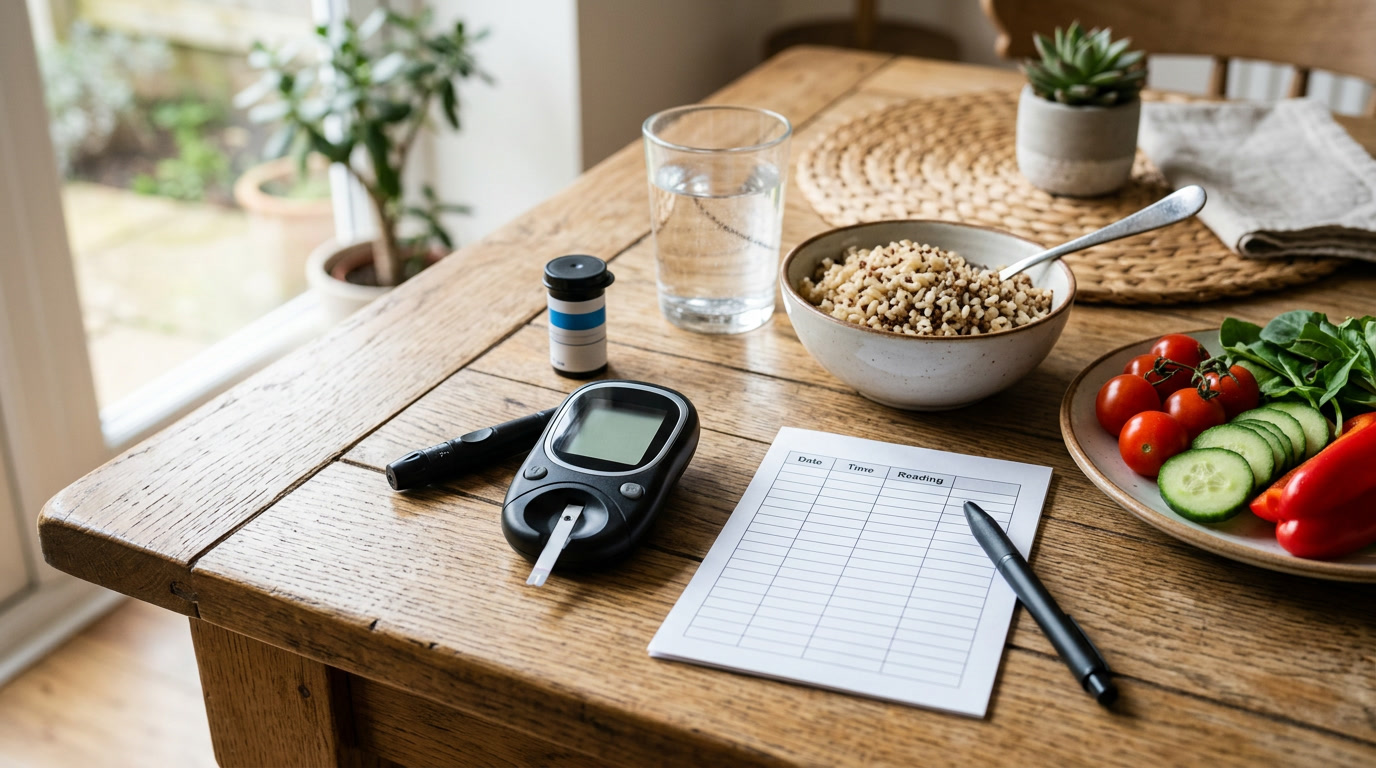
What is glycemic control in type 2 diabetes? It means keeping blood sugar within a safe personal target as often as possible. Doctors measure it with A1C tests, daily glucose readings, and sometimes continuous glucose monitor data.
Good control does not mean every reading must be perfect. It means reducing frequent high blood sugar while also avoiding dangerous low blood sugar. For many adults, the general A1C goal is below 7 percent, but the right target depends on age, health, medicine, and the risk of low blood sugar.
1. Understanding Glycemic Control
Glycemic control describes how well a person manages glucose in the blood over time. Glucose provides energy for the body, but too much of it can slowly harm blood vessels, nerves, eyes, kidneys, and other organs.
Type 2 diabetes develops when the body does not respond well to insulin or cannot make enough insulin to meet its needs. Insulin is the hormone that helps glucose leave the blood and enter the cells.
A person with good control usually keeps glucose near the target set by their health care team. A person with poor control may have frequent high readings, large changes throughout the day, or repeated low readings caused by medicine.
The goal is not simply to lower glucose as much as possible. The goal is to create a safe balance that supports daily energy, prevents symptoms, and lowers the risk of future complications.
2. Why Blood Sugar Control Matters
High blood sugar may not cause clear symptoms at first. A person can feel normal while damage slowly develops. Over time, uncontrolled diabetes can increase the risk of heart disease, vision loss, kidney disease, nerve damage, and slow healing wounds.
Very high glucose may cause:
- Strong thirst
- Frequent urination
- Blurry vision
- Tiredness
- Headaches
- Dry mouth
- Slow wound healing
- Frequent infections
Poor control can also affect mood, concentration, sleep, and daily energy. Some people notice that they feel hungry soon after eating or become tired during the afternoon.
Better control can help reduce these symptoms. It may also lower the chance of serious complications. However, glucose should be lowered safely. A plan that causes frequent low blood sugar is not considered good control.
3. How the A1C Test Measures Progress
The A1C test estimates your average blood glucose over the previous two to three months. It measures the percentage of hemoglobin in red blood cells that has glucose attached to it.
For many adults with diabetes, an A1C below 7 percent is a common goal. This target may help lower the risk of diabetes complications when it can be reached safely.
Your personal target may be different. A doctor may suggest a lower target when it can be reached without frequent low glucose. A higher target may be safer for someone with serious health conditions, a history of severe low blood sugar, or a treatment plan that creates too much burden.
A1C provides a useful overall picture, but it does not show every high or low reading. Two people can have the same A1C while experiencing very different glucose patterns.
A person with stable readings may have the same average as someone whose glucose rises very high and then falls very low. This is why daily readings and symptoms also matter.
People who are meeting their goals may only need an A1C test twice a year. Testing about every three months may be useful when treatment changes or glucose remains outside the target.
4. Daily Blood Glucose Targets
Home glucose checks show what is happening at a specific moment. They can help you understand how food, physical activity, stress, sleep, illness, and medicine affect your body.
Common targets for many adults who are not pregnant include:
- Before meals, 80 to 130 mg/dL
- One to two hours after starting a meal, below 180 mg/dL
These are general targets. Your health care professional may recommend different numbers based on your age, medicine, daily routine, and other health conditions.
Checking at useful times can reveal patterns. For example, a normal morning reading followed by a high reading after breakfast may show that the meal contains more carbohydrate than your body can manage at that time.
A high morning reading may relate to a late meal, missed medicine, poor sleep, stress, or natural hormone changes before waking.
One unusual reading does not always mean the treatment plan has failed. Look for repeated patterns over several days. Record the time, meal, activity, medicine, and any symptoms. This information can help your care team make safer decisions.
5. A1C Versus Daily Glucose Readings
A1C and daily glucose checks answer different questions.
A1C answers:
What has my average glucose been during the past few months?
Daily testing answers:
What is my glucose right now, and what may have affected it?
Both can be useful. A1C helps track long term progress, while home checks can guide daily choices.
For example, an A1C result may show that average glucose remains above the target. Home readings may then reveal that glucose rises mainly after dinner. This gives the person and clinician a clearer problem to address.
A person who takes insulin may need to check more often than someone who manages diabetes with food, activity, and medicine that rarely causes low glucose.
Follow the testing schedule given by your care team. Testing without knowing how to use the results may cause stress without improving care. Ask what each reading means and what action you should take.
6. How Continuous Glucose Monitoring Helps
A continuous glucose monitor, often called a CGM, measures glucose throughout the day and night. A small sensor sends readings to a receiver or compatible device.
A CGM can show:
- Current glucose
- Whether glucose is rising or falling
- Overnight patterns
- Glucose changes after meals
- Responses to physical activity
- Possible low blood sugar
- Time spent within the target range
For many people, the usual target range is 70 to 180 mg/dL. Time in range refers to the percentage of the day spent within those limits. A common goal is at least 70 percent, which equals about 17 hours each day. Personal goals may differ.
Time in range can give more detail than A1C alone. It helps show whether glucose remains steady or changes sharply.
A CGM is not required for every person with type 2 diabetes. It may be especially helpful for people who use insulin, experience low glucose, have changing schedules, or need more information about daily patterns.
Insurance coverage, cost, comfort, and the ability to respond to data should also be considered.
7. Food Choices That Support Better Control
Carbohydrates have the greatest direct effect on blood glucose. They are found in bread, rice, pasta, potatoes, fruit, milk, sweets, and many drinks.
You do not always need to remove carbohydrates. The amount, type, timing, and foods eaten with them all matter.
A balanced plate may include:
- Half the plate filled with nonstarchy vegetables
- One quarter filled with lean protein
- One quarter filled with a high fiber carbohydrate
- Water or another drink without added sugar
Fiber slows digestion and may reduce sudden glucose rises. Useful sources include beans, lentils, vegetables, fruit, oats, and whole grains. The CDC notes that fiber can support blood sugar control because the body does not absorb it in the same way as other carbohydrates.
Protein and healthy fat may also slow digestion and help a meal feel more satisfying. Examples include fish, chicken, eggs, plain yogurt, nuts, seeds, avocado, and olive oil.
Sugary drinks can raise glucose quickly because they provide a large amount of sugar without much fiber. Water, unsweetened tea, and other low sugar choices are often easier on glucose levels.
Watch how your body responds rather than searching for one perfect diet. Some people have a larger rise after rice, while others notice more change after bread or breakfast cereal.
8. Managing Diabetes in Chicago, Illinois
A successful plan should fit your actual schedule, budget, food access, work hours, and family responsibilities. A plan that looks perfect on paper will not help if it is too difficult to follow.
Start with one or two changes that solve a clear problem. For example, take a short walk after dinner if evening readings run high. Prepare breakfast the night before if busy mornings lead to pastries or sweet drinks.
Keep medical appointments and bring your glucose records. Ask for diabetes education when you need help with meals, medicine, testing, or problem solving.
A registered dietitian or diabetes care and education specialist can help turn general advice into a practical routine.
9. Physical Activity and Blood Sugar
Physical activity helps muscles use glucose for energy. It can also improve insulin sensitivity, which means the body may respond to insulin more effectively.
Walking after a meal may lower the glucose rise that follows eating. The CDC suggests beginning with a simple goal, such as a 10 minute walk after dinner.
Useful activities include:
- Walking
- Cycling
- Swimming
- Dancing
- Strength exercises
- Gardening
- Active household work
- Chair exercises
Start at a safe level and build gradually. People who have heart disease, nerve damage, foot problems, eye disease, or other serious conditions should ask a health care professional which activities are appropriate.
Exercise can sometimes cause low glucose, especially for people who use insulin or certain medicines. Your care team may recommend checking before and after activity or carrying a fast source of glucose.
Do not stop being active because one reading changes. Use the information to learn how your body responds and adjust the plan safely.
10. Medicines and Personalized Treatment
Lifestyle habits are important, but many people need medicine to reach a safe glucose range. Needing medicine does not mean you failed. Type 2 diabetes can change over time because the pancreas may gradually produce less insulin.
Treatment may include oral medicine, noninsulin injections, insulin, or a combination.
The best choice depends on several factors:
- A1C level
- Daily glucose patterns
- Heart health
- Kidney health
- Body weight goals
- Risk of low blood sugar
- Cost and insurance coverage
- Side effects
- Personal preferences
- Other medicines
Some diabetes medicines may offer benefits beyond lowering glucose, including support for heart or kidney health in certain people. The best treatment should address the whole person rather than focusing on one number.
Take medicine as directed. Do not skip doses to make a prescription last longer without telling your care team. Do not double a dose after forgetting one unless a medical professional or medication guide tells you to do so.
Contact the prescribing clinician if side effects, cost, or a complicated schedule makes the plan difficult to follow. A different option may be available.
11. Common Problems That Affect Control
Glucose can change even when a person follows the usual routine. Common causes include illness, infection, pain, stress, poor sleep, missed medicine, steroid treatment, less activity, or changes in meals.
Review these areas when numbers remain high:
- Are medicine doses being missed?
- Have meal portions changed?
- Are drinks adding hidden sugar?
- Has physical activity decreased?
- Is sleep shorter or less restful?
- Is stress unusually high?
- Is an illness or infection developing?
- Is the glucose meter working correctly?
- Has medicine been stored properly?
- Are testing supplies expired?
Low blood sugar also needs attention. For most people with diabetes, a glucose level below 70 mg/dL is considered low. Symptoms may include shaking, sweating, hunger, confusion, weakness, or a fast heartbeat.
If glucose is below 70 mg/dL, NIDDK advises taking 15 to 20 grams of fast acting carbohydrate, waiting 15 minutes, and checking again. Repeat if the level remains low. Follow your personal emergency plan when symptoms are severe.
Frequent highs or lows may mean the treatment plan needs adjustment. Do not make major medicine changes without professional guidance.
12. Frequently Asked Questions
What is a good A1C for type 2 diabetes?
For many adults, an A1C below 7 percent is a common goal. Your target may be higher or lower based on age, overall health, pregnancy, medicines, and the risk of low blood sugar.
Does good glycemic control mean diabetes is cured?
No. Good results usually mean the condition is being managed effectively. Some people may enter remission, but they still need follow up because glucose can rise again.
How often should A1C be tested?
People who are meeting their goal may only need testing twice a year. Testing about every three months may be recommended when treatment changes or the target has not been reached.
Can diet alone control type 2 diabetes?
Some people can manage early type 2 diabetes through food choices, activity, and weight changes. Others need medicine. The right approach depends on glucose levels, health history, and how the condition changes over time.
When should high blood sugar receive urgent care?
Seek prompt medical help for very high readings with vomiting, severe weakness, confusion, trouble breathing, dehydration, or an inability to keep fluids down. Follow any emergency instructions provided by your health care team.
Conclusion
Glycemic control means keeping blood glucose within a safe personal range while avoiding frequent highs and dangerous lows. A1C shows the longer pattern, while glucose meters and continuous monitors provide daily details.
Food, physical activity, medicine, sleep, stress management, and regular testing all play a role. The best plan is not the strictest plan. It is the safest plan that a person can follow consistently.
Review your A1C, daily readings, symptoms, and treatment goals with a qualified health care professional. This article provides general education and should not replace personal medical advice.
For more simple and trustworthy health information, explore additional guides from Books_WD and speak with your health care team before changing your diabetes plan.
