


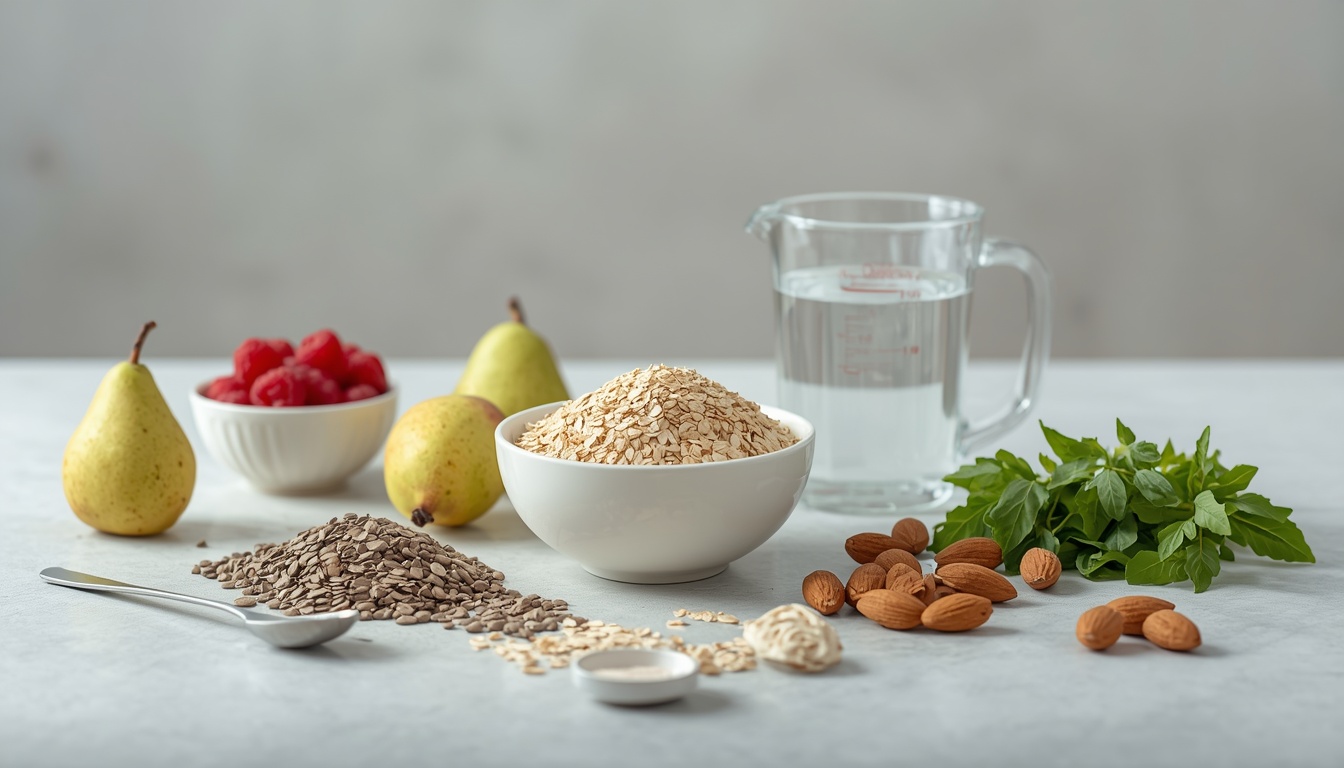
Fiber supplements for weight loss may help some people feel fuller, manage portions, and improve bowel regularity. However, they do not directly burn body fat and usually produce small or inconsistent changes in body weight.
Psyllium is one of the most studied options. Some research reports modest reductions in weight and waist size, while other reviews find no meaningful benefit. Glucomannan is often promoted for appetite control, but the National Institutes of Health reports that it has little to no effect on weight loss.
A fiber supplement works best as a small part of a complete plan that includes nutritious food, suitable portions, physical activity, sleep, and regular progress checks. It should not replace vegetables, fruit, beans, whole grains, or medical treatment.
1. How Fiber May Support Weight Management
Fiber is a type of carbohydrate that the body does not fully digest. It passes through the digestive system and affects fullness, bowel movements, blood sugar, and the movement of food through the gut.
Some soluble fibers absorb water and form a thick gel. This gel may slow digestion and help a meal feel more satisfying. Feeling full for longer may make it easier to reduce snacks or serve smaller portions.
Fiber may support weight goals by helping you:
- Feel satisfied after meals
- Reduce unplanned snacking
- Improve bowel regularity
- Slow the absorption of some nutrients
- Build more structured eating habits
- Replace lower fiber foods with more filling choices
These effects do not guarantee weight loss. A person can take a fiber supplement and still consume more calories than the body uses.
Healthy weight change usually requires an eating pattern and activity routine that can continue over time. NIDDK states that healthy eating and regular physical activity can help people lose weight and maintain the result.
2. Do Fiber Supplements Actually Cause Weight Loss?
Research results are mixed.
A 2020 review of 22 controlled trials found that psyllium did not significantly reduce body weight, body mass index, or waist size. A later review focused on adults with overweight or obesity reported an average weight reduction of about 2.1 kilograms when psyllium was taken before meals for several months.
The difference may relate to:
- The participants included
- The fiber dose
- When the supplement was taken
- How long the study lasted
- The eating plan used with it
- Whether participants had overweight or obesity
- The quality and design of the studies
A 2024 controlled trial studied a supplement containing glucomannan, inulin, and psyllium in adults with obesity and certain genetic differences. The study reported improvements in weight and body composition, but results from one combined product do not prove that every fiber supplement will work the same way.
The safest conclusion is that some gel forming fibers may provide modest support for certain people. The effect is usually much smaller than advertising claims suggest.
3. Psyllium Is the Most Practical Starting Option
Psyllium comes from the outer layer of seeds from the Plantago ovata plant. It absorbs liquid and creates a gel inside the digestive tract.
It is widely used as a bulk forming laxative for occasional constipation. MedlinePlus explains that psyllium absorbs liquid, swells, and forms a larger stool that is easier to pass.
Psyllium may be useful for weight management because it can increase fullness when taken as directed. Research on actual weight loss remains mixed, so it should not be sold or viewed as a guaranteed slimming product.
Possible advantages
- Forms a filling gel
- Supports bowel regularity
- Is widely available
- Comes in powders and capsules
- May support cholesterol and blood sugar goals
- Can be found in plain formulas
Possible disadvantages
- Thick texture
- Gas or bloating
- Choking risk without enough water
- Possible medicine interactions
- Taste may be difficult for some users
Plain psyllium may offer better value than flavored products. Compare the grams of psyllium or soluble fiber in each serving instead of judging by package size alone.
4. Glucomannan Has Strong Claims but Limited Results
Glucomannan is a soluble fiber made from konjac root. It absorbs a large amount of water and expands into a gel.
Because of this expansion, manufacturers often claim that it controls appetite and causes weight loss. The actual evidence is less convincing.
The NIH Office of Dietary Supplements states that glucomannan has little to no effect on weight loss. A controlled eight week study also found no meaningful difference in weight, body composition, hunger, or fullness between glucomannan and placebo groups.
Some older and smaller studies have reported benefits, which explains why the supplement continues to receive attention. Reviews combining several studies have generally found either no clear effect or only a small short term change.
Possible advantages
- Expands with water
- May help some people feel full
- May support cholesterol management
- Requires a relatively small amount
Possible disadvantages
- Limited evidence for weight loss
- Gas, bloating, or loose stool
- Risk of blockage when taken incorrectly
- Can interfere with medicine timing
- Quality may differ between products
Do not choose glucomannan only because the label uses phrases such as appetite control or fat reduction. Read the evidence, ingredient amount, and safety instructions.
5. Inulin Supports Gut Bacteria but May Cause Gas
Inulin is a fermentable fiber found naturally in foods such as onions, garlic, chicory root, asparagus, and some grains. It is also added to powders, bars, drinks, and fiber supplements.
Helpful bacteria in the colon can ferment inulin. This is why it is often described as a prebiotic fiber.
Inulin may support digestive health, but evidence for meaningful weight loss from inulin alone is not strong enough to treat it as a primary weight loss product.
It may also cause:
- Gas
- Bloating
- Abdominal discomfort
- Loose stool
- Worse symptoms in some people with irritable bowel syndrome
People with sensitive digestion may tolerate psyllium better because psyllium forms a gel and is less heavily fermented than inulin.
NIDDK recommends increasing fiber gradually because adding too much too quickly can cause gas and bloating.
Begin with the smallest label serving and increase only when the product is comfortable and appropriate for you.
6. Methylcellulose and Wheat Dextrin
Methylcellulose is a manufactured soluble fiber commonly used for bowel regularity. It absorbs water but is not heavily fermented by intestinal bacteria.
This may make it less likely to cause gas than some fermentable fibers. However, there is limited evidence that methylcellulose creates meaningful weight loss.
Wheat dextrin is another soluble fiber used in powders that dissolve easily in food and drinks. It may help increase daily fiber intake, but it does not form the same thick gel as psyllium.
Methylcellulose may suit people who want
- A product for regularity
- Less fermentation
- A powder or capsule option
- A fiber with a milder texture
Wheat dextrin may suit people who want
- A powder that mixes easily
- Little change in drink texture
- A simple way to add fiber
- A product that can be mixed with food
Neither option should be expected to produce major fat loss. They may be useful when digestive comfort and regular use matter more than appetite control.
7. Fiber From Food Should Remain the Priority
Supplements contain fiber, but most do not provide the vitamins, minerals, protein, healthy fats, and plant compounds found in whole foods.
NIDDK states that adults generally need about 22 to 34 grams of fiber each day, depending on age and sex. It recommends foods such as whole grains, legumes, fruit, vegetables, and nuts.
High fiber foods include:
- Lentils
- Black beans
- Chickpeas
- Oats
- Barley
- Whole grain bread
- Raspberries
- Pears
- Apples with the skin
- Broccoli
- Green peas
- Almonds
Food may also be more satisfying because it requires chewing and adds volume to a meal.
A supplement can help fill a gap when you cannot meet your needs through food. It should not become an excuse to eat a low quality diet with few vegetables, fruits, or legumes.
8. How to Choose a Fiber Supplement
Start by identifying your main goal.
Choose psyllium when you want a gel forming fiber with evidence for bowel regularity and possible support for fullness.
Consider methylcellulose when gas is a concern and the main goal is regularity.
Consider wheat dextrin when you want a powder that mixes easily without becoming thick.
Use caution with inulin when you have irritable bowel syndrome, frequent bloating, or sensitivity to fermentable carbohydrates.
Be skeptical of glucomannan products that promise major or rapid weight loss.
Check the label for:
- The exact fiber ingredient
- Grams per serving
- Serving directions
- Added sugar
- Sweeteners
- Flavoring
- Allergens
- Extra stimulants or herbs
- Independent quality testing
- Medicine warnings
Avoid products that combine fiber with large amounts of caffeine, laxative herbs, or unclear weight loss blends. Those ingredients may create more risk without improving lasting results.
9. Using Fiber Supplements in Nashville, Tennessee
Begin by reviewing how much fiber you already receive from meals.
Record your normal food intake for several days. Look for beans, vegetables, fruit, whole grains, nuts, and seeds. Add food sources first when possible.
When a supplement is still useful:
- Choose one simple product.
- Begin with the smallest recommended serving.
- Take it with the full amount of liquid on the label.
- Increase slowly if needed.
- Track fullness and digestive symptoms.
- Review your weight trend over several weeks.
- Stop if it causes pain or swallowing problems.
Do not start several supplements at the same time. You will not know which product caused gas, diarrhea, constipation, or another reaction.
The product should make your routine easier. If taking it feels unpleasant every day, another form of fiber or a food based approach may be more sustainable.
10. Water and Medicine Timing Matter
Gel forming fiber absorbs liquid. Taking it without enough water can cause choking or a blockage in the throat or digestive tract.
MedlinePlus instructs people to mix psyllium powder or granules with at least 8 ounces of liquid immediately before use.
General safety steps include:
- Read the full product directions.
- Use the measuring tool provided.
- Mix powder with enough liquid.
- Drink it before it becomes too thick.
- Do not swallow dry powder.
- Continue drinking suitable fluids during the day.
- Separate it from medicines when directed.
Fiber can change how some medicines are absorbed. The correct separation time depends on the fiber and the medicine.
Ask a pharmacist before using a supplement with prescriptions for diabetes, thyroid disease, seizures, heart conditions, cholesterol, or other health problems.
People with kidney or heart conditions may have personal fluid limits. They should ask their health care professional how to use fiber safely.
11. Side Effects and People Who Need Extra Care
Common side effects include gas, bloating, abdominal fullness, constipation, diarrhea, and changes in bowel habits.
Increase fiber slowly so your digestive system has time to adjust. NIDDK advises adding fiber little by little and drinking enough liquid to help it work properly.
Speak with a health care professional before use when you have:
- Difficulty swallowing
- A bowel narrowing or blockage
- Severe abdominal pain
- Rectal bleeding
- Ongoing vomiting
- A sudden bowel habit change
- Diabetes treated with medicine
- Kidney disease
- Pregnancy
- A history of digestive surgery
Get urgent help when a supplement causes chest pain, breathing difficulty, vomiting, or trouble swallowing.
Stop using the product if it causes severe pain, worsening constipation, allergic symptoms, or ongoing digestive distress.
12. Frequently Asked Questions
Which fiber supplement is best for weight loss?
Psyllium is one of the most studied options and may modestly support fullness and weight goals. However, research is mixed, and it should not be expected to cause major weight loss by itself.
Does fiber burn belly fat?
No. Fiber does not target or burn fat from one area. It may help with fullness and calorie control, which can support total body fat loss over time.
Is glucomannan better than psyllium?
Glucomannan expands strongly with water, but current NIH guidance says it has little to no effect on weight loss. Psyllium has mixed but somewhat more encouraging research and is widely used for bowel regularity.
When should I take fiber for appetite control?
Some research has studied gel forming fiber shortly before meals. Follow the exact product label and ask a health professional about timing when you take medicine or manage a medical condition.
Can I take a fiber supplement every day?
Some people use fiber daily, but the product, dose, fluid intake, health conditions, and medicines all matter. Follow the label and discuss continued use with a doctor, pharmacist, or registered dietitian.
Conclusion
Fiber supplements may support fullness, portion control, and digestive regularity, but they are not powerful weight loss treatments. Psyllium has the most practical combination of gel formation, availability, and research, although study results remain mixed.
Glucomannan has strong marketing claims but little evidence of meaningful weight reduction. Inulin may support gut bacteria but often causes gas. Methylcellulose and wheat dextrin can increase fiber intake, yet they have limited evidence for weight loss.
Focus first on vegetables, fruit, beans, whole grains, nuts, and seeds. Use a supplement only to support a balanced routine, take it with enough water, and review medicine timing with a qualified professional.
For more practical nutrition and weight management guidance from Books_WD, compare simple fiber products carefully and choose one that supports your health without promising unrealistic results.

