


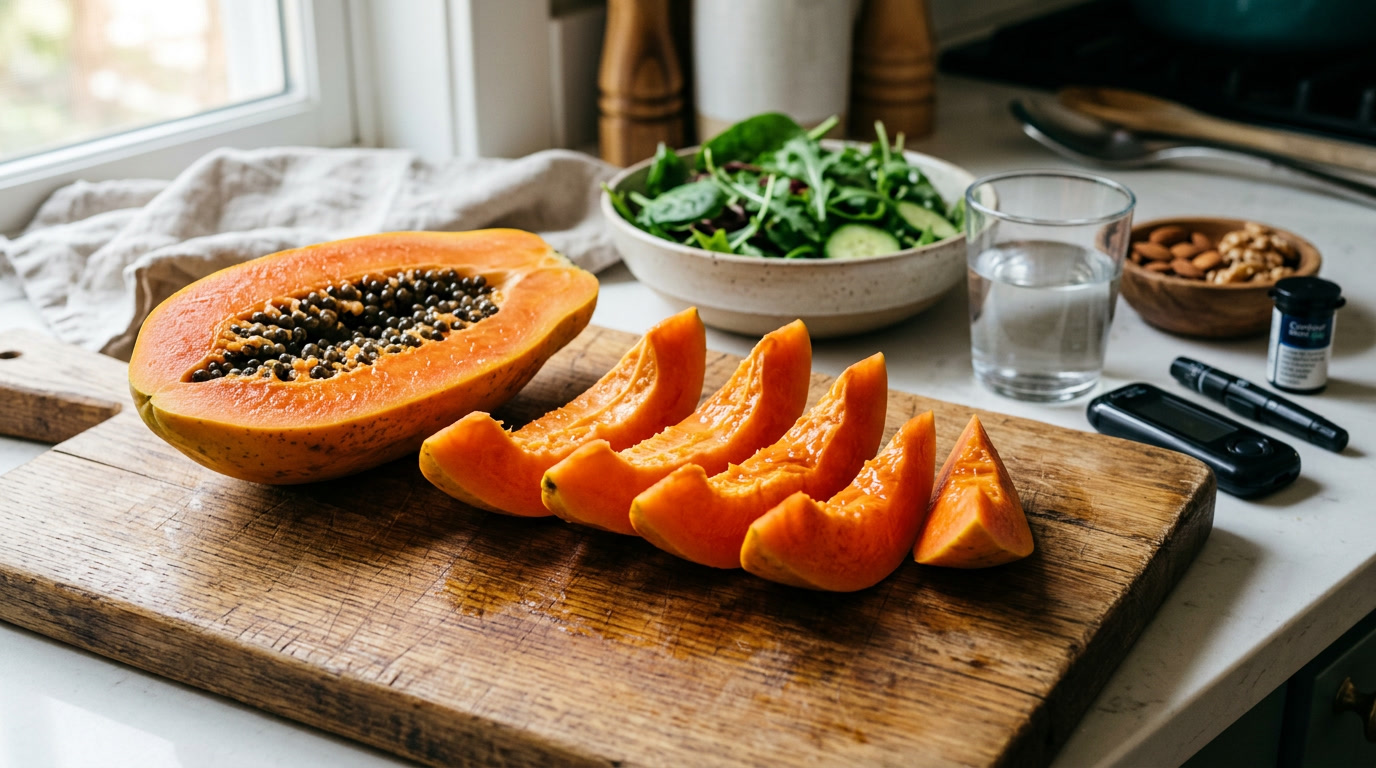
Is papaya good for diabetes? The short answer is yes ; but with some important conditions. Papaya is a nutrient-rich tropical fruit with a medium glycemic index and a relatively low glycemic load per serving. That combination makes it a generally safe choice for most people managing diabetes, as long as portion sizes stay controlled. This article breaks down the science, the practical guidance, and everything in between so you can make a confident, informed decision.
Understanding Diabetes and the Role of Diet in Blood Sugar Management
Living with diabetes means paying close attention to what goes on your plate. Every meal, every snack, and yes ; every piece of fruit, has the potential to shift your blood glucose levels in one direction or another.
Diabetes is a metabolic condition where the body either doesn’t produce enough insulin or doesn’t use it efficiently. Insulin is the hormone responsible for moving sugar from the bloodstream into cells for energy. When that process breaks down, blood sugar builds up ; and over time, that causes serious complications affecting the heart, kidneys, eyes, and nerves.
Diet plays a central role in managing all of this.
For people with type 2 diabetes especially, food choices directly influence postprandial blood glucose ; that’s the technical term for blood sugar levels after eating. Carbohydrates have the biggest impact because the body breaks them down into glucose. But not all carbohydrates behave the same way.
This is where concepts like the glycemic index and glycemic load become genuinely useful tools, not just nutrition jargon.
The glycemic index (GI) measures how quickly a specific food raises blood sugar on a scale of 0 to 100. Foods scoring below 55 are considered low GI. Between 56 and 69 is medium. Above 70 is high.
Glycemic load (GL) goes a step further ; it accounts for both the GI value and the actual amount of carbohydrates in a realistic serving. A fruit might have a medium GI but a low GL in a standard portion, which makes it far more practical for daily decision-making.
Keeping blood sugar stable isn’t just about avoiding sugar. It’s about choosing foods that release glucose slowly, support insulin sensitivity, and provide nutritional value without causing dramatic spikes.
Fruit is one of the most misunderstood categories in diabetes nutrition. Many people assume all fruit is off-limits because of its natural sugar content. That’s a common mistake ; and it leads people to cut out genuinely beneficial foods unnecessarily.
Papaya at a Glance ; Nutritional Profile Every Diabetic Should Know
Before judging whether papaya fits into a diabetes-friendly diet, it helps to know exactly what’s inside it.
One cup of fresh ripe papaya (approximately 145 grams) contains roughly:
| Nutrient | Amount |
| Calories | 62 |
| Total Carbohydrates | 16 grams |
| Dietary Fiber | 2.5 grams |
| Natural Sugars | 11 grams |
| Vitamin C | 88 mg (nearly 100% daily value) |
| Vitamin A | 1,492 IU |
| Folate | 53 mcg |
| Potassium | 264 mg |
| Magnesium | 14 mg |
Those numbers tell an important story. Papaya is relatively low in calories, moderate in carbohydrates, and genuinely rich in micronutrients.
The vitamin C content alone is impressive. Research consistently links adequate vitamin C intake with improved insulin sensitivity and reduced oxidative stress ; both critically important for people managing diabetes. Oxidative stress is a condition where harmful molecules called free radicals damage cells and tissues, and it’s a major contributor to diabetes complications.
Papaya also contains lycopene and beta-carotene ; two powerful carotenoids with strong antioxidant activity. These compounds help fight chronic inflammation, which sits at the root of both type 2 diabetes development and its long-term complications.
Then there’s papain ; the naturally occurring enzyme unique to papaya. Papain supports digestive health by helping the body break down proteins more efficiently. Good digestion plays a supporting role in metabolic health, even if it doesn’t directly control blood sugar.
Folate and potassium round out the nutritional picture. Adequate potassium intake supports healthy blood pressure, which matters enormously for diabetics who face elevated cardiovascular risk. Folate supports cell function and is particularly important for women managing gestational diabetes.
The takeaway here is simple: papaya isn’t just fruit with sugar. It’s a nutrient-dense food that brings real health value to the table.
The Glycemic Index and Glycemic Load of Papaya Explained
Here’s where things get specific ; and where papaya actually surprises a lot of people.
The glycemic index of papaya sits at approximately 56 to 60, placing it in the medium GI category. That’s lower than many people expect from a sweet tropical fruit.
But the glycemic index alone doesn’t tell the full story for diabetics. Glycemic load is the more practical measurement.
For a standard one-cup serving of papaya, the glycemic load is estimated at around 9 to 10. That falls firmly in the low glycemic load range ; anything below 10 is considered low, 11 to 19 is medium, and above 20 is high.
What does that mean practically? It means that a reasonable serving of papaya releases glucose into the bloodstream gradually rather than causing a sudden spike. The dietary fiber in papaya plays a big role in this. Fiber slows the digestion and absorption of carbohydrates, which smooths out the blood sugar response after eating.
Compare that to a high-GI fruit like watermelon (GI around 72) or a medium-GI fruit like mango (GI around 56 but with a higher glycemic load per serving due to its carbohydrate density). Papaya holds up well in that comparison.
One important nuance: the ripeness of papaya significantly affects its glycemic impact. As papaya ripens, its natural sugar content increases and its starch content decreases ; meaning ripe papaya has a slightly higher glycemic impact than green, unripe papaya. We’ll explore that comparison in more depth shortly.
The practical message is this: papaya’s glycemic profile is genuinely manageable for most diabetics when portion sizes stay sensible.
How Papaya Affects Blood Sugar Levels in People with Diabetes
Understanding the numbers is useful. Understanding what actually happens in the body when a diabetic eats papaya is even more useful.
When you eat papaya, your digestive system begins breaking down its carbohydrates into glucose. The fiber content ; particularly soluble fiber ; slows that process down. Instead of a rapid flood of glucose entering the bloodstream, you get a slower, more controlled release.
This slower release gives the body’s insulin response more time to work. For someone with type 2 diabetes who still produces some insulin (though not enough or not efficiently enough), that extra time makes a meaningful difference.
The antioxidants in papaya ; especially lycopene, beta-carotene, and vitamin C ; also work in the background to reduce the inflammation and oxidative stress that worsen insulin resistance over time. These aren’t direct blood sugar effects, but they support better metabolic health in the long run.
Here’s something most general articles on this topic miss entirely: individual blood sugar responses to the same food can vary significantly from person to person.
Two people with type 2 diabetes can eat the same one-cup serving of papaya and have noticeably different postprandial glucose responses. Factors like medication, overall diet composition, physical activity levels, gut microbiome, and the timing of the meal all influence the outcome.
This is exactly why people using a continuous glucose monitor (CGM) often get the most useful personal data. Tracking your own blood glucose response after eating papaya ; at the 30-minute, one-hour, and two-hour marks gives you real information specific to your body rather than population averages.
If you don’t use a CGM, a standard blood glucose meter works just as well for this kind of self-monitoring.
The general consensus among registered dietitians and certified diabetes care specialists is consistent: papaya can be part of a balanced diabetic diet when eaten in appropriate portions and combined thoughtfully with other foods.
Key Health Benefits of Papaya for Diabetic Patients
Beyond blood sugar management, papaya brings several health benefits that are particularly relevant for people living with diabetes.
Reduces Chronic Inflammation
Chronic low-grade inflammation is both a cause and a consequence of type 2 diabetes. Papaya’s rich concentration of flavonoids, polyphenols, and carotenoids actively works against inflammatory pathways in the body. An anti-inflammatory diet is consistently recommended by the American Diabetes Association as part of comprehensive diabetes management.
Supports Cardiovascular Health
Diabetes dramatically increases the risk of heart disease. The potassium and folate in papaya support healthy blood pressure and healthy blood vessel function. Lycopene, in particular, has been associated with reduced LDL cholesterol oxidation ; a key factor in cardiovascular risk reduction.
Aids Digestive Health
The papain enzyme in papaya supports efficient protein digestion and overall gut health. A healthy digestive system contributes to better nutrient absorption and metabolic efficiency.
Provides Immune System Support
People with diabetes often have compromised immune responses. Papaya’s exceptional vitamin C content ; nearly 100% of the recommended daily value in a single cup ; gives the immune system meaningful nutritional support.
Supports Healthy Weight Management
Papaya is low in calories and has a high water content, which helps with satiety. Weight management is a cornerstone of type 2 diabetes control, and choosing nutrient-dense, lower-calorie foods like papaya supports that goal naturally.
Delivers Antioxidant Protection
Oxidative stress accelerates diabetes complications including neuropathy, retinopathy, and kidney damage. The antioxidant compounds in papaya ; beta-carotene, lycopene, vitamin C, and vitamin E ; help neutralize the free radicals responsible for this cellular damage.
Ripe Papaya vs. Green Papaya ; Which One Is Better for Blood Sugar Control?
This is one of the most important questions for diabetics, and it’s one that most health articles gloss over entirely.
Ripe papaya and green (unripe) papaya are nutritionally different in ways that matter for blood sugar management.
Ripe papaya has a sweeter taste because its starch content has converted to natural sugars as it matured. This means it has a higher concentration of fructose and a slightly faster glucose release compared to unripe papaya. It’s still manageable in appropriate portions, but the glycemic impact is higher than green papaya.
Green papaya contains more complex carbohydrates that haven’t yet converted to simple sugars. Its glycemic impact is lower, making it a potentially better option for people who need stricter blood sugar control ; particularly those with type 1 diabetes or those whose HbA1c levels are not yet well managed.
Green papaya is also commonly used in cooking ; particularly in Southeast Asian cuisine where it appears in salads and stir-fries. Because it’s often eaten as part of a complete meal with proteins, healthy fats, and vegetables, its glycemic impact is naturally buffered by the overall meal composition.
Practical recommendation: If you’re managing blood sugar carefully, green papaya or slightly underripe papaya is the more conservative choice. Ripe papaya is still a reasonable option in controlled portions for most people with well-managed diabetes.
How Much Papaya Can a Diabetic Eat Per Day? Portion Size Guide
Portion control is where good food choices either succeed or fail for blood sugar management. Even a low-to-medium glycemic food can cause problems when eaten in large quantities.
For most people with diabetes, a safe and practical serving of papaya is:
- One cup of fresh papaya chunks (approximately 140–150 grams)
- This provides roughly 16 grams of carbohydrates ; a manageable amount to fit into a balanced meal or snack
- Frequency: Most registered dietitians suggest enjoying papaya a few times per week rather than in large daily amounts
Here are some practical guidelines that make portion management easier:
- Use a measuring cup when you’re first starting out. Eyeballing portions is surprisingly inaccurate until you’ve calibrated your sense of volume.
- Count the carbohydrates from papaya as part of your total meal carbohydrate budget, not in addition to it.
- Pair papaya with protein or healthy fat ; a small handful of nuts, a spoonful of almond butter, or some plain Greek yogurt. This combination slows glucose absorption and reduces the blood sugar impact of the fruit.
- Avoid eating papaya alone as a large snack on an empty stomach. Pairing it with other foods provides a more balanced glycemic response.
- Monitor your response. Check your blood glucose at one and two hours after eating to understand how your body specifically responds to papaya.
How to Safely Add Papaya to a Diabetes-Friendly Diet
Knowing that papaya is generally safe is one thing. Knowing how to actually work it into daily eating is another.
Here are practical, real-world strategies for incorporating papaya intelligently:
At breakfast: Add a half-cup of papaya to a bowl of plain Greek yogurt with a sprinkle of chia seeds. The protein from yogurt and the additional fiber from chia seeds create an excellent buffer for the fruit’s natural sugars.
As a midday snack: A small serving of papaya with a small portion of unsalted mixed nuts makes a satisfying, balanced snack that won’t cause a dramatic glucose spike.
In a salad: Green papaya works beautifully in savory salads with cucumbers, carrots, lime juice, and a lean protein source. This is a low-glycemic way to enjoy papaya’s nutritional benefits without the sugar concern.
Avoid: Papaya juice or papaya smoothies where the fiber has been removed or reduced. Juicing concentrates the natural sugars and eliminates much of the fiber that makes whole papaya manageable. A glass of papaya juice delivers far more sugar and a much faster glycemic response than eating the equivalent amount of whole fruit.
Avoid: Dried papaya. This is a significant content gap most competitors miss entirely. Dried papaya is often sweetened with added sugar during processing, dramatically increasing its carbohydrate content. Even unsweetened dried papaya is much more calorically and glycemically dense than fresh papaya because the water has been removed. A small handful of dried papaya can contain as many carbohydrates as several cups of fresh papaya.
At Books_WD, we believe that smart food choices for diabetes management come down to understanding the how just as much as the what. Knowing that papaya is generally safe matters far less than knowing how to eat it in a way that actually supports your blood sugar goals.
Papaya Leaf Extract and Papaya Seeds ; What the Research Says About Diabetes
Two less-discussed aspects of papaya have drawn real scientific interest in recent years: papaya leaf extract and papaya seeds.
Papaya Leaf Extract
Several laboratory and animal studies have investigated papaya leaf extract for its potential hypoglycemic effects ; meaning its ability to help lower blood sugar. Some research suggests that compounds in papaya leaves may stimulate insulin secretion and improve glucose uptake in cells.
However, it’s important to be honest about where the evidence currently stands. Most studies have been conducted in animal models or in laboratory settings. Human clinical trials are limited in number and scope. The results are promising but not yet strong enough to support specific medical recommendations.
Papaya leaf tea is available in many health stores and is used traditionally in parts of Asia and the Caribbean for various health purposes. If you’re considering papaya leaf extract or tea, consult your endocrinologist or a certified diabetes care and education specialist (CDCES) before adding it to your routine ; especially if you’re on diabetes medication, since potential interactions need to be assessed.
Papaya Seeds
Papaya seeds are another underexplored area. They contain isothiocyanates ; compounds with demonstrated anti-inflammatory and antioxidant properties. Some early research suggests they may have a role in improving insulin sensitivity, though again, human evidence is limited.
Papaya seeds have a sharp, peppery flavor and are sometimes dried and ground as a spice alternative. In small amounts, they’re generally considered safe ; but they’re potent, and large amounts may cause digestive discomfort.
The bottom line on both: interesting research directions, genuinely promising early signals, but not yet at the level where specific dosage recommendations can be made with confidence.
Papaya vs. Other Tropical Fruits ; Which Is the Smarter Choice for Diabetics?
Tropical fruits often get grouped together in diabetes discussions as if they’re all equally problematic. They’re not. Comparing papaya to other common tropical fruits reveals some meaningful differences.
| Fruit | Glycemic Index | GL per Serving | Notes for Diabetics |
| Papaya | 56–60 | ~9 (low) | Good choice in controlled portions |
| Mango | 56 | ~12 (medium) | Higher carb density per serving |
| Pineapple | 66 | ~12 (medium) | Higher GI ; eat sparingly |
| Banana (ripe) | 62 | ~16 (medium-high) | Portion size critical |
| Watermelon | 72 | ~5 (low) | High GI but low GL ; portions matter |
| Guava | 12–24 | ~1–2 (very low) | Excellent choice for diabetics |
| Kiwi | 52 | ~5 (low) | Very diabetes-friendly option |
Among common tropical fruits, papaya compares favorably. Its combination of medium GI with a genuinely low glycemic load per standard serving puts it ahead of mango, pineapple, and ripe banana in terms of blood sugar friendliness.
Guava and kiwi score better on glycemic measures if you’re looking for the most conservative options. But papaya offers a broader nutritional package ; particularly in terms of lycopene, papain, and vitamin A ; that makes it a uniquely valuable addition to a diabetes-friendly eating plan.
The smarter approach isn’t picking one “best” fruit and eating it exclusively. Variety supports better overall nutrition and prevents the dietary monotony that makes healthy eating unsustainable long-term.
Frequently Asked Questions
Can diabetics eat papaya every day?
Eating papaya daily in small, controlled portions is generally considered safe for most people with well-managed diabetes. A serving of approximately one cup (around 145 grams) provides roughly 16 grams of carbohydrates and a low glycemic load of around 9. That said, daily consumption should be balanced within your overall carbohydrate budget for the day. Monitor your blood glucose response and consult your registered dietitian or certified diabetes care specialist to confirm what frequency works best for your individual situation.
Does papaya raise blood sugar levels?
Papaya does contain natural sugars that will raise blood glucose to some degree ; as virtually all carbohydrate-containing foods do. However, its fiber content slows glucose absorption significantly, resulting in a gradual rather than sharp rise in blood sugar. The glycemic load of a standard serving is low, making the blood sugar impact manageable for most diabetics. Pairing papaya with protein or healthy fat further reduces the glycemic response.
Is green papaya better than ripe papaya for diabetes?
Yes, generally speaking. Green (unripe) papaya contains more complex carbohydrates and less converted simple sugar compared to fully ripe papaya. This gives it a lower glycemic impact, making it a preferable option for people who need tighter blood sugar control. Ripe papaya is still manageable in appropriate portions for most people with well-controlled diabetes, but green papaya provides a more conservative glycemic profile.
Can papaya leaf extract help manage blood sugar?
Early research ; primarily from animal studies and laboratory settings, suggests that papaya leaf extract may have hypoglycemic properties, potentially supporting insulin secretion and glucose uptake. However, strong clinical evidence from well-designed human trials is still limited. Papaya leaf extract should not replace prescribed diabetes medications. Always consult your doctor or endocrinologist before adding any supplement, including papaya leaf extract, to your diabetes management plan.
Is dried papaya safe for people with diabetes?
Dried papaya is significantly less diabetes-friendly than fresh papaya and should be approached with caution. The drying process removes water, which concentrates the natural sugars dramatically. Many commercially available dried papaya products also contain added sugar during processing, making the carbohydrate content even higher. A small amount of unsweetened dried papaya can contain as many carbohydrates as several cups of fresh papaya. For diabetics, fresh papaya in controlled portions is always the better choice over dried papaya.
Conclusion
Papaya is a genuinely good fruit choice for people managing diabetes ; not because it’s some kind of miracle food, but because its nutritional profile is well-suited to blood sugar management when eaten thoughtfully.
Its medium glycemic index, low glycemic load per standard serving, meaningful fiber content, and impressive array of antioxidants, vitamins, and anti-inflammatory compounds make it one of the more diabetes-friendly tropical fruits available.
The keys are portion control, choosing the right form (fresh over dried, whole over juiced), understanding the difference between ripe and green papaya, and pairing it strategically with protein and healthy fats to smooth out the glycemic response.
Individual responses vary. What works well for one person with diabetes may need adjustment for another. Your blood glucose monitor ; or a CGM ; gives you the most accurate picture of how your body specifically responds to papaya.
Always work with a registered dietitian, certified diabetes care specialist, or your endocrinologist when making significant changes to your diabetes nutrition plan. The guidance in this article reflects general best practices and nutritional science, but personalized medical advice from a qualified professional is irreplaceable.

