


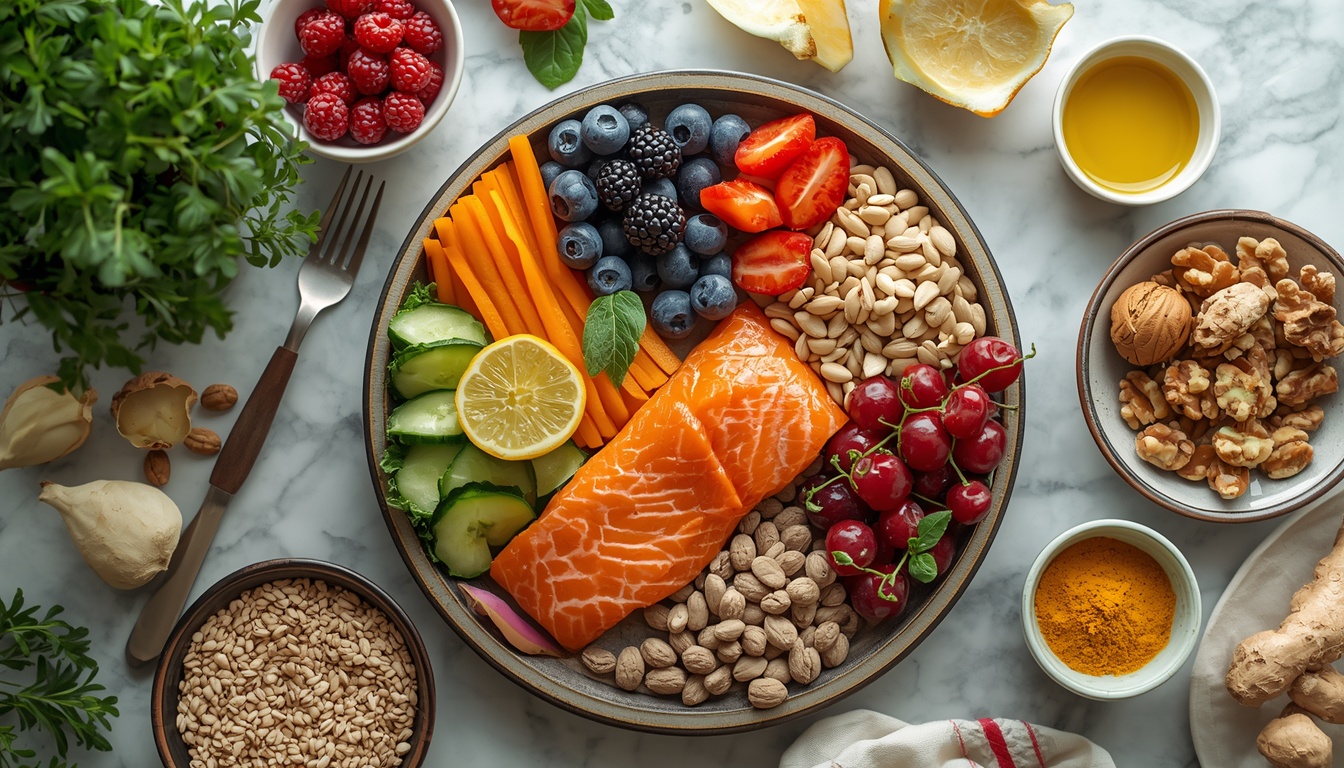
You may be able to reduce inflammation with food by following a balanced eating pattern rich in vegetables, fruit, beans, whole grains, nuts, seeds, fish, and healthy oils. The strongest evidence supports overall dietary patterns, especially Mediterranean style eating, rather than one special food or supplement.
At the same time, limit sugary drinks, refined grains, processed meats, and foods high in added sugar, sodium, and saturated fat. Food cannot cure every inflammatory condition, but better eating habits may support heart health, blood sugar, digestion, and a healthier immune response.
1. What Inflammation Means in the Body
Inflammation is part of the immune system response. It helps the body respond to infection, injury, and harmful substances.
Short term inflammation is useful. Redness around a cut, swelling after an injury, and fever during an infection are examples of the body trying to protect and repair itself.
Chronic inflammation is different. It continues for a long time and may affect healthy tissue. Long term inflammation is connected with several health problems, including heart disease, type 2 diabetes, arthritis, and some digestive conditions.
Food is only one factor. Sleep, stress, smoking, body weight, physical activity, infection, medicine, and existing medical conditions can also influence inflammation.
This is why no single meal can turn inflammation on or off. The goal is to create an overall routine that supports the body over time.
2. Can Food Really Reduce Inflammation?
Food can influence inflammation, but the effect is usually gradual and depends on the whole eating pattern.
A 2025 review of randomized controlled trials found that Mediterranean style diets reduced several markers linked with inflammation in adults. Other recent reviews have also found that Mediterranean and vegetarian patterns may help lower low level inflammation, although results differ between studies and health conditions.
These patterns share several features:
- Plenty of plant foods
- High fiber intake
- Healthy sources of fat
- Less processed meat
- Less added sugar
- Fewer refined grain products
- More meals prepared from simple ingredients
The evidence is stronger for a complete eating pattern than for claims about one miracle food.
Berries, olive oil, salmon, turmeric, and green tea may fit a healthy diet, but none of them can repair the effects of an otherwise poor routine by themselves.
3. Build Most Meals Around Plant Foods
Vegetables, fruit, beans, peas, lentils, nuts, seeds, and whole grains provide fiber, vitamins, minerals, and plant compounds.
Many of these compounds act as antioxidants. Antioxidants help protect cells from damage caused by unstable molecules. The body makes some antioxidants, while others come from foods such as fruit, vegetables, and grains.
Try to include several colors across the week.
Useful choices include:
- Dark leafy vegetables
- Broccoli and cauliflower
- Bell peppers
- Tomatoes
- Carrots
- Berries
- Oranges
- Apples
- Beans
- Lentils
- Oats
- Brown rice
- Nuts
- Seeds
You do not need expensive produce. Fresh, frozen, and canned options can all help.
Choose frozen vegetables without rich sauces. Look for canned vegetables with little added salt. Select canned fruit packed in water or its own juice when possible.
A simple goal is to fill about half your plate with vegetables and fruit. Make vegetables the larger part when the meal also contains rice, pasta, bread, or potatoes.
4. Choose Fiber Rich Carbohydrates
Carbohydrates are not automatically inflammatory. The type and amount matter.
Whole grains and legumes provide more fiber than many refined products. Fiber supports digestive health and feeds helpful bacteria in the gut.
Useful carbohydrate choices include:
- Oats
- Barley
- Brown rice
- Quinoa
- Whole grain bread
- Whole grain pasta
- Beans
- Chickpeas
- Lentils
- Sweet potatoes
- Whole fruit
Refined grains lose part of their natural fiber during processing. Foods made with white flour may also be easier to overeat, especially when they contain added sugar and fat.
You do not need to remove white bread, pasta, or rice completely. Try mixing them with higher fiber choices.
For example, combine white rice with beans and vegetables. Choose oatmeal several mornings each week. Replace part of the meat in soup with lentils.
Current healthy eating guidance encourages whole, nutrient rich foods and fiber rich grains while limiting added sugars and highly processed products.
5. Include Healthy Fats and Omega 3 Foods
Fat is an important part of a balanced diet. The source matters more than simply trying to remove all fat.
Healthy fat sources include:
- Olive oil
- Avocado
- Walnuts
- Almonds
- Chia seeds
- Flaxseeds
- Pumpkin seeds
- Salmon
- Sardines
- Trout
Fish such as salmon and sardines provide omega 3 fats. These fats play several roles in the body and have been studied for their effect on inflammatory conditions.
Research suggests that omega 3 supplements may offer a modest benefit for symptoms of rheumatoid arthritis, but supplements are not right for everyone. Food sources are often a practical place to begin.
Use olive oil instead of butter for some cooking. Add nuts or seeds to oatmeal, yogurt, or salad. Include fish regularly when it fits your budget and preferences.
Portions still matter. Oils, nuts, seeds, and avocado provide many calories in a small amount. A healthy food can still slow weight goals when portions become very large.
6. Choose Protein Sources Carefully
Protein supports muscles, hormones, immune function, and tissue repair.
Some protein sources fit an eating pattern focused on lower inflammation better than others.
Choose more often:
- Beans and lentils
- Fish
- Eggs
- Plain yogurt
- Tofu
- Tempeh
- Chicken
- Turkey
- Nuts and seeds
Limit processed meats such as bacon, sausage, hot dogs, and many deli meats. These products can be high in sodium and saturated fat.
Red meat can still fit in moderate portions, but it should not be the main protein at every meal. Replace it with fish, beans, or poultry several times each week.
The American Heart Association has reported that eating patterns high in refined grains, processed meats, and certain high fat foods are linked with higher inflammation, while patterns rich in whole grains, vegetables, and healthy oils are linked with lower levels.
Focus on the complete meal. Grilled chicken served with vegetables, beans, and whole grains offers a different nutrition profile from fried chicken served with fries and a sugary drink.
7. Reduce Added Sugar and Highly Processed Foods
Added sugar appears in many foods that do not always taste like dessert.
Common sources include:
- Soda
- Sweet tea
- Energy drinks
- Candy
- Cookies
- Sweet breakfast cereal
- Flavored yogurt
- Sweet coffee drinks
- Sauces
- Packaged snack foods
The Nutrition Facts label separates added sugars from the total amount of sugar. This can help you compare products and spot foods that contain large amounts.
Excess added sugar can contribute to weight gain, type 2 diabetes, and heart disease. These conditions are also connected with chronic inflammation.
Start with drinks because liquid sugar is easy to consume quickly.
Try replacing one sugary drink with:
- Water
- Sparkling water
- Unsweetened tea
- Coffee with less sugar
- Water flavored with fruit
Also limit foods that combine refined flour, sugar, salt, and fat. These products are often easy to overeat and may replace foods that provide more fiber and nutrients.
You do not need to avoid every packaged food. Frozen vegetables, canned beans, plain yogurt, and whole grain bread can be practical choices. Read the ingredient list and nutrition panel instead of judging food only by its packaging.
8. Use Herbs and Spices Without Expecting a Cure
Herbs and spices can add flavor without relying on large amounts of salt, sugar, or rich sauce.
Useful options include:
- Garlic
- Ginger
- Turmeric
- Cinnamon
- Cumin
- Rosemary
- Oregano
- Paprika
- Basil
- Black pepper
Some herbs and spices contain compounds studied for possible effects on inflammation. However, adding one teaspoon of turmeric to a meal does not treat arthritis, heart disease, or another medical condition.
Turmeric supplements can also differ greatly in dose and quality. They may interact with medicine or cause side effects. The National Center for Complementary and Integrative Health advises consumers to remember that supplement rules differ from drug rules and that evidence for many products remains limited.
Use herbs and spices mainly to make healthy meals more enjoyable. Ask a doctor or pharmacist before taking concentrated supplements, especially when you use blood thinners, diabetes medicine, or other prescriptions.
9. A Practical Daily Plan in Minneapolis, Minnesota
You do not need a complicated menu. Build meals from foods you already enjoy and can afford.
Breakfast
Oatmeal with berries, walnuts, and plain yogurt
Lunch
Bean and vegetable soup with whole grain bread and fruit
Snack
An apple with peanut butter
Dinner
Baked salmon or beans, brown rice, and roasted vegetables with olive oil
Drinks
Water, unsweetened tea, or coffee with little added sugar
This example can be changed to match your culture, allergies, budget, and schedule.
A vegetarian dinner may include lentils, quinoa, and vegetables. A quick meal may use canned beans, frozen vegetables, and microwaveable brown rice.
Prepare extra food when cooking so lunch is ready for the next day. Keep simple backup foods available for busy evenings.
10. Make Changes That You Can Maintain
Extreme plans are rarely necessary.
Begin with two or three changes:
- Add one vegetable to dinner
- Replace one sugary drink
- Eat beans twice each week
- Choose whole grains more often
- Include fish or a plant protein regularly
- Use olive oil instead of butter for some meals
- Keep fruit available for snacks
Follow these changes for several weeks before adding more.
A perfect diet followed for five days is less helpful than a balanced pattern followed most of the year.
Sleep, stress, smoking, and physical activity also matter. The American Heart Association notes that health includes nutritious food, regular movement, sleep, stress care, and social connection.
Food can support your health, but it cannot make up for every other part of daily life.
11. When Food Changes Are Not Enough
Inflammation can be caused by infection, injury, autoimmune disease, digestive disease, or another medical problem.
Food should not replace diagnosis or treatment.
Speak with a health care professional if you have:
- Ongoing joint swelling
- Unexplained fever
- Severe tiredness
- Persistent digestive symptoms
- Unexplained weight loss
- Blood in stool
- Chest pain
- Shortness of breath
- Symptoms that keep getting worse
- Pain that affects daily activity
A registered dietitian can help when you have diabetes, kidney disease, inflammatory bowel disease, food allergies, rheumatoid arthritis, or another condition that changes nutrition needs.
Avoid starting a highly restrictive diet without guidance. Removing dairy, gluten, grains, nightshade vegetables, or several food groups may create nutrient gaps when there is no clear medical reason.
12. Frequently Asked Questions
What foods reduce inflammation the fastest?
No food can instantly remove chronic inflammation. A balanced eating pattern rich in vegetables, fruit, whole grains, legumes, nuts, fish, and healthy oils is more useful than relying on one food.
Are eggs inflammatory?
Eggs can fit a healthy diet for most people. Their effect depends on the complete eating pattern, preparation method, portion, and personal health needs.
Is coffee good or bad for inflammation?
Coffee contains plant compounds and can fit a healthy routine for many adults. Sweeteners, cream, sleep problems, pregnancy, heart rhythm issues, and personal tolerance should also be considered.
Should I stop eating dairy?
Most people do not need to remove dairy unless they have an allergy, intolerance, or medical reason. Plain yogurt and other suitable dairy foods can provide protein and nutrients.
Do turmeric supplements reduce inflammation?
Research on turmeric products is mixed, and formulas vary. Supplements may cause side effects or interact with medicine. Speak with a qualified professional before using concentrated products.
Conclusion
Food may help support a healthier inflammatory response when meals focus on vegetables, fruit, beans, whole grains, fish, nuts, seeds, and healthy oils. Limit added sugar, sugary drinks, refined grains, processed meat, and heavily processed snacks.
Do not search for one perfect ingredient. Build a pattern that you can follow during normal workdays, weekends, travel, and family meals.
For more practical nutrition guidance from Books_WD, choose one simple food change from this guide and use it consistently for the next two weeks.

