

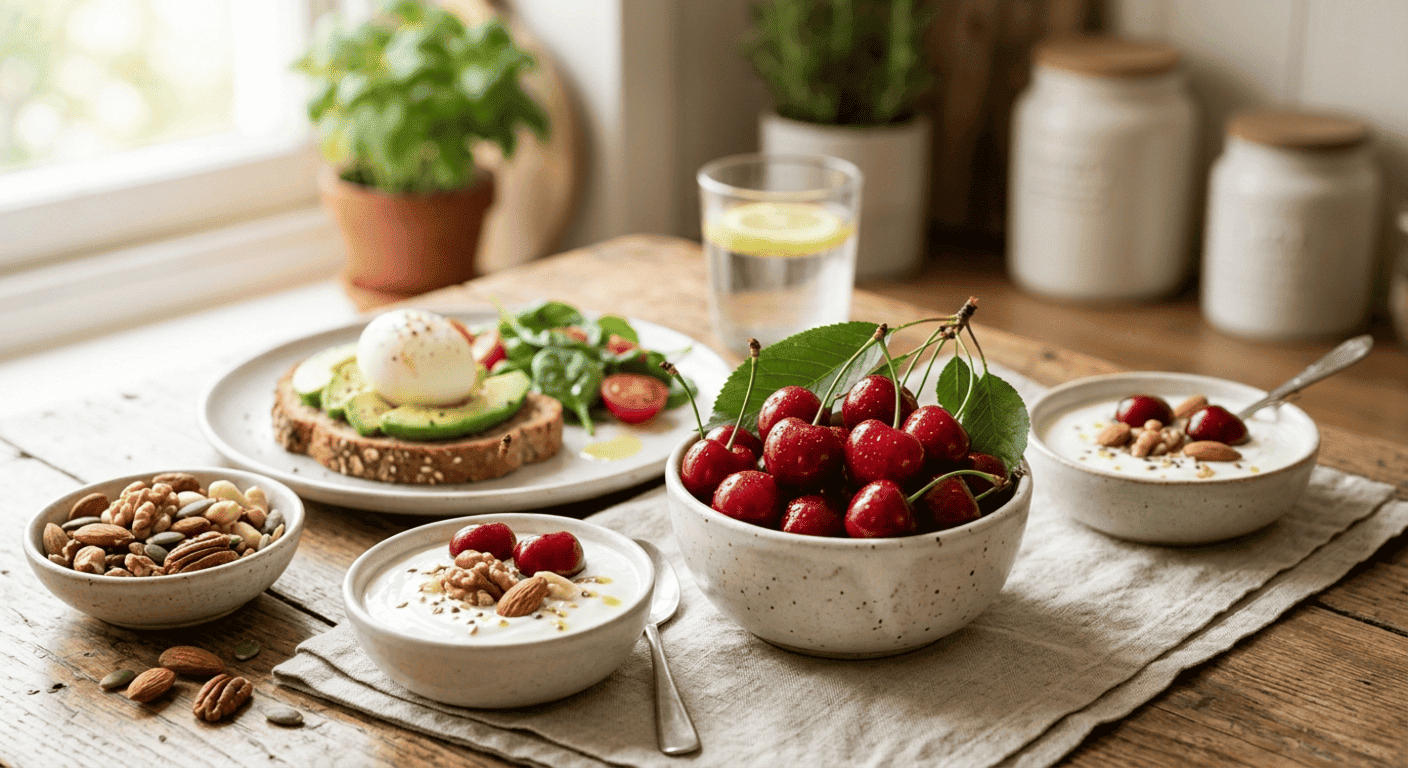
Are cherries a good fruit for diabetics? Yes, fresh cherries can be a healthy fruit choice for many people with diabetes when eaten in the right portion. They provide fiber, vitamin C, potassium, and antioxidants while having a relatively low glycemic index compared to many sweet snacks. However, cherries still contain natural carbohydrates, so portion size and the way they are prepared matter. Fresh or unsweetened frozen cherries are usually better choices than dried cherries, cherry juice, or cherries packed in syrup.
Are Cherries a Good Fruit for Diabetics? A Complete Guide
If you have diabetes, you may wonder whether you need to avoid sweet fruits altogether. The good news is that you do not have to remove fruit from your diet. In fact, many fruits can be part of a healthy eating plan when you choose the right type and enjoy them in sensible portions.
Cherries are one of those fruits that often raise questions. They taste naturally sweet, so many people assume they will quickly raise blood sugar. While cherries do contain natural sugars, they also provide fiber, water, vitamins, minerals, and powerful plant compounds that make them different from sugary desserts or sweet drinks.
Understanding how cherries fit into your meals can help you enjoy them with confidence. This guide explains how cherries affect blood sugar, their nutritional benefits, the best serving sizes, and simple ways to include them in balanced meals.
Can People With Diabetes Safely Eat Cherries?
The short answer is yes. Most people with diabetes can safely enjoy cherries as part of a balanced diet. The key is paying attention to portion size and choosing whole cherries instead of heavily processed products.
Unlike candy or sugary drinks, cherries are a whole fruit. They contain dietary fiber, which helps slow digestion and may reduce how quickly carbohydrates enter the bloodstream.
That does not mean cherries have no effect on blood glucose. Every serving still contains carbohydrates, which can increase blood sugar. The difference is that whole fruit offers many nutrients that processed sweets do not.
Why Whole Cherries Are a Better Choice
Fresh cherries provide much more than natural sweetness. They also contain:
- Dietary fiber
- Vitamin C
- Potassium
- Antioxidants
- Water
These nutrients work together to make cherries a more nutritious snack than foods with added sugar.
Everyone Responds Differently
One important fact that many articles overlook is that blood sugar responses are personal.
Several factors can influence how your body reacts after eating cherries, including:
- Your activity level
- Current blood glucose
- Medications
- Insulin use
- Meal timing
- Portion size
- Other foods eaten with the cherries
For example, eating a small serving of cherries after a balanced meal may affect your blood sugar differently than eating a large bowl by itself.
Practical Tip
If you use a glucose meter or continuous glucose monitor, notice how your body responds after eating a measured serving. This gives you information that is specific to you rather than relying only on general advice.
Why Cherries May Be a Healthy Fruit Choice
Many fruits provide vitamins and minerals, but cherries offer several qualities that make them stand out.
They are naturally refreshing, easy to enjoy, and packed with nutrients that support overall health.
Rich in Dietary Fiber
Fiber is one of the biggest reasons whole fruit fits into a healthy eating pattern.
Fiber may help:
- Slow digestion
- Increase fullness
- Support digestive health
- Reduce unnecessary snacking
Because cherry juice contains much less fiber than whole cherries, eating the fruit is often the better choice.
High in Antioxidants
Cherries are well known for their colorful pigments.
These pigments contain plant compounds called anthocyanins, which belong to a group of antioxidants known as polyphenols.
Researchers continue studying these compounds because they may help support healthy inflammatory responses and protect cells from oxidative stress.
While cherries are nutritious, it is important to remember that they are not a treatment for diabetes. They work best as one part of a balanced diet.
A Good Source of Vitamin C
Vitamin C supports many important functions in the body.
It helps with:
- Immune health
- Wound healing
- Healthy skin
- Protection against cell damage
Adding fruits that naturally contain vitamin C is a simple way to improve your daily nutrient intake.
Provides Potassium
Potassium is a mineral that helps support normal muscle and nerve function.
Many people do not get enough potassium from their diet.
Fresh cherries contribute to your overall intake while also providing hydration because they contain plenty of water.
People with kidney disease may need personalized advice about potassium intake, so they should follow recommendations from their healthcare provider.
Naturally Low in Fat
Cherries contain very little fat while providing satisfying sweetness.
When paired with foods that contain protein or healthy fats, they can become an even more balanced snack.
For example:
- Cherries with plain Greek yogurt
- Cherries with cottage cheese
- Cherries with a handful of unsalted nuts
These combinations often keep you satisfied longer than fruit alone.
A Better Alternative to Sugary Desserts
Many people satisfy sweet cravings with cookies, candy, or pastries.
Replacing those treats with fresh cherries can increase your intake of vitamins, minerals, and fiber while reducing foods that contain added sugars and refined ingredients.
Small changes like this often become easier to maintain over time.
Expert Insight
Instead of asking whether cherries are “good” or “bad,” think about how they fit into your entire eating pattern.
Healthy nutrition is built from consistent habits, not one perfect food.
How Cherries Affect Blood Sugar Levels
Many people assume that sweet tasting fruit automatically causes a large blood sugar spike.
That is not always true.
Blood glucose depends on more than taste alone.
Natural Sugar Is Different From Added Sugar
Cherries contain naturally occurring sugars.
Unlike soft drinks or candy, those sugars come packaged with:
- Fiber
- Water
- Vitamins
- Minerals
- Antioxidants
Because of this combination, whole fruit is generally digested differently than foods made with refined sugar.
Carbohydrates Still Count
Although cherries provide many nutrients, they still contain carbohydrates.
Anyone who counts carbohydrates should include cherries in their meal planning.
Ignoring serving size because a food is “healthy” is a common mistake.
Fiber Helps Slow Digestion
Fiber does not eliminate the effect of carbohydrates, but it may slow how quickly they are absorbed.
That is one reason whole cherries are usually a better option than fruit juice.
Juice removes much of the fiber while making it easier to drink several servings in only a few minutes.
Why Your Blood Sugar Response May Differ
Imagine two people eating exactly the same serving of cherries.
One person’s blood glucose rises only slightly.
The other’s rises much more.
Why?
Several factors influence the result:
- Current glucose level
- Physical activity
- Sleep quality
- Stress
- Medication
- Meal composition
- Insulin production
This is why personalized monitoring is often more useful than comparing your results with someone else’s.
A Simple Way to Test Your Response
If your healthcare provider recommends checking blood sugar, you can:
- Measure a consistent serving of cherries.
- Eat them with your normal meal.
- Check your glucose according to your care plan.
- Record the result.
- Compare it with another day.
Over time, you will better understand how your body responds.
Glycemic Index and Glycemic Load of Cherries Explained
You have probably heard that cherries have a relatively low glycemic index.
But what does that actually mean?
What Is the Glycemic Index?
The glycemic index, often called GI, measures how quickly carbohydrate containing foods raise blood sugar compared with pure glucose.
Foods generally fall into three groups:
- Low GI
- Medium GI
- High GI
Fresh cherries are generally considered a lower glycemic fruit.
What Is Glycemic Load?
Glycemic load looks at two things:
- How quickly a food raises blood sugar
- How many carbohydrates are actually eaten
This makes glycemic load more useful in everyday meal planning because portion size matters.
For example, eating a small serving of cherries is different from eating several large bowls.
Why Portion Size Still Matters
Some people mistakenly believe a low GI food can be eaten without limits.
That is not true.
Even lower glycemic foods contain carbohydrates.
Eating very large portions can still increase blood glucose.
A measured serving is usually a smarter approach than eating directly from a large bag or container.
Whole Fruit Beats Juice
Whole cherries contain fiber that slows digestion.
Cherry juice contains much less fiber and is easier to consume quickly.
For this reason, whole cherries are usually the better choice when you want a satisfying snack.
Professional Tip
Do not focus only on glycemic index.
Instead, consider:
- Portion size
- Total carbohydrates
- Fiber
- Protein in the meal
- Healthy fats
- Your personal blood glucose response
Looking at the complete picture leads to better decisions than relying on one nutrition number.
Health Benefits of Cherries for People With Diabetes
Beyond blood sugar management, cherries offer several health benefits that support overall wellness.
May Support Heart Health
People with diabetes often pay close attention to heart health because both conditions are closely connected.
Cherries contain antioxidants and potassium that support a heart healthy eating pattern.
Rich in Plant Compounds
Anthocyanins and other polyphenols give cherries their deep red color.
Researchers continue studying these natural compounds because they may support healthy inflammatory responses throughout the body.
Helps Increase Fruit Intake
Many adults struggle to eat enough fruit.
Choosing fresh cherries during the season or keeping unsweetened frozen cherries available makes it easier to include more whole fruit in everyday meals.
Supports Better Snack Choices
Replacing processed sweets with whole fruit often increases:
- Fiber intake
- Vitamin intake
- Mineral intake
- Water intake
At the same time, it reduces foods that commonly contain added sugars.
Fits Into a Balanced Eating Plan
Cherries work well alongside many nutritious foods.
Some simple combinations include:
- Plain Greek yogurt with fresh cherries
- Cottage cheese and cherries
- Oatmeal topped with sliced cherries
- Mixed green salad with cherries and walnuts
- A small handful of cherries after lunch
These meals combine protein, healthy fats, fiber, and carbohydrates for better balance.
How Many Cherries Can a Person With Diabetes Eat?
There is no perfect number that fits everyone.
A healthy serving depends on your overall meal plan, activity level, medications, and personal carbohydrate goals.
Instead of guessing, measure your serving occasionally until you become familiar with what it looks like.
Some practical tips include:
- Eat cherries as part of a balanced meal or snack.
- Avoid eating directly from a large container.
- Pair cherries with protein or healthy fat.
- Count the carbohydrates if you follow a carbohydrate counting plan.
- Notice how your body responds over time.
One realistic example is enjoying a measured serving of fresh cherries with plain Greek yogurt after lunch instead of reaching for a sugary dessert. This simple swap provides more nutrients while helping create a satisfying snack that fits into many healthy eating plans.
Sweet Cherries vs Tart Cherries, Which Is Better?
When choosing cherries, many people wonder whether sweet cherries or tart cherries are the healthier option. The answer is not as simple as picking one over the other.
Both varieties provide vitamins, minerals, fiber, and antioxidants. The better choice often depends on how the cherries are prepared and the portion you eat.
Sweet Cherries
Sweet cherries are the type most people enjoy fresh.
Popular varieties include:
- Bing cherries
- Rainier cherries
- Black cherries
They have a naturally sweet flavor and are commonly eaten as a snack or added to fruit salads.
Tart Cherries
Tart cherries, sometimes called sour cherries, have a sharper flavor.
One of the best known varieties is the Montmorency cherry.
Because they are more sour, tart cherries are often sold as:
- Frozen cherries
- Unsweetened dried cherries
- Tart cherry juice
- Baking ingredients
Which Is Better?
There is no clear winner.
Instead of focusing only on the type of cherry, consider these factors:
- Total carbohydrates
- Portion size
- Added sugar
- Processing method
For example, fresh sweet cherries may be a better choice than tart cherries packed in sweet syrup. Likewise, unsweetened frozen tart cherries may be healthier than sweet cherries used in sugary desserts.
Expert Tip
Do not assume a sour taste means fewer carbohydrates. Always check the nutrition label on packaged products instead of relying on taste alone.
Fresh, Frozen, Dried, Canned, or Juiced Cherries
Not all cherry products have the same nutritional value.
Knowing the differences helps you make better choices when shopping.
Fresh Cherries
Fresh cherries are often the best option because they contain:
- Natural fiber
- Vitamins
- Minerals
- Plenty of water
- No added sugar
They also make portion control easier.
Frozen Cherries
Unsweetened frozen cherries retain most of their nutrients.
They are ideal for:
- Smoothies
- Yogurt bowls
- Oatmeal
- Homemade desserts
Choose products without added sugar or sweet sauces.
Dried Cherries
Drying removes water, making the fruit much smaller.
This means you can eat many more carbohydrates without realizing it.
Some dried cherries also contain added sugar.
Enjoy them in small portions if they fit your meal plan.
Canned Cherries
Canned cherries can vary greatly.
Better choices include:
- Packed in water
- Packed in natural juice
- No added sugar
Limit cherries packed in heavy syrup because they usually contain much more added sugar.
Cherry Juice
Many people believe juice is just as healthy as whole fruit.
However, juice removes much of the fiber that helps slow digestion.
It is also easy to drink several servings in only a few minutes.
Whole cherries usually provide a more satisfying and balanced option.
Quick Comparison
| Type | Good Choice? | What to Watch For |
| Fresh | ✔ Excellent | Portion size |
| Frozen (Unsweetened) | ✔ Excellent | Check ingredients |
| Dried | ✔ In moderation | Concentrated carbohydrates |
| Canned | ✔ Sometimes | Added sugar and syrup |
| Juice | Use with caution | Less fiber and larger portions |
How to Build a Balanced Cherry Snack
A healthy snack is about more than one ingredient.
Pairing cherries with foods that provide protein or healthy fats can make your snack more satisfying.
Good Pairings
Try combining cherries with:
- Plain Greek yogurt
- Cottage cheese
- Unsalted almonds
- Walnuts
- Pistachios
- Natural peanut butter
- Cheese slices
These combinations add protein and healthy fats while creating a more balanced snack.
Breakfast Ideas
- Oatmeal topped with fresh cherries
- Greek yogurt with sliced cherries
- Cottage cheese with cherries and cinnamon
Lunch Ideas
- Mixed green salad with cherries and grilled chicken
- Whole grain wrap with cherries on the side
- Tuna salad with fresh fruit
Dessert Ideas
Instead of reaching for ice cream or pastries, try:
- Fresh cherries
- Frozen cherries blended into yogurt
- Cherries with a handful of nuts
These options satisfy a sweet craving while providing more nutrients.
Practical Advice
Wash and portion cherries before storing them.
Having healthy snacks ready makes it easier to avoid processed foods when you feel hungry.
Quick Healthy Snack Checklist
✔ Choose whole cherries whenever possible.
✔ Pair fruit with protein.
✔ Measure your serving.
✔ Avoid products with added sugar.
✔ Drink water instead of sugary beverages.
Common Mistakes to Avoid When Eating Cherries
Even healthy foods can become less nutritious if you make a few common mistakes.
Eating Too Many at Once
Cherries are easy to snack on because they taste sweet and refreshing.
Instead of eating directly from a large bowl, measure your serving first.
Drinking Cherry Juice Instead of Eating Whole Fruit
Whole fruit contains fiber.
Juice contains much less fiber and is easier to overconsume.
Whole cherries usually make a more filling snack.
Choosing Products Packed in Syrup
Many canned cherries contain heavy syrup.
This adds unnecessary sugar to the fruit.
Look for products packed in water or natural juice whenever possible.
Forgetting to Read Nutrition Labels
Packaged foods can vary widely.
Check:
- Serving size
- Total carbohydrates
- Added sugars
- Fiber
- Ingredients
Small differences between products can have a big impact.
Assuming Healthy Means Unlimited
Even nutritious foods should fit into your overall meal plan.
Eating reasonable portions is one of the simplest habits you can build.
Ignoring Your Own Blood Sugar Response
Nutrition advice provides general guidance.
Your body may respond differently from someone else’s.
If your healthcare provider recommends monitoring blood glucose, use that information to learn what works best for you.
Professional Insight
Many people spend too much time searching for one “perfect” food.
Healthy eating is built on consistent habits, balanced meals, and sensible portions rather than one superfood.
Final Thoughts on Adding Cherries to a Diabetes Diet
Fresh cherries can be a nutritious addition to a balanced eating plan when enjoyed in sensible portions. They provide dietary fiber, vitamin C, potassium, and antioxidant compounds while offering natural sweetness that many people enjoy.
The healthiest approach is to choose whole cherries whenever possible, limit products with added sugar, and pay attention to serving size. Pairing cherries with protein or healthy fats can also create a more satisfying snack.
Remember that no single food can manage diabetes on its own. A balanced eating pattern, regular physical activity, quality sleep, and guidance from your healthcare team all work together to support long term health.
For reliable nutrition education written in clear, practical language, Books_WD is dedicated to helping readers make informed food choices with confidence.
Frequently Asked Questions
Do cherries raise blood sugar levels?
Yes. Cherries contain natural carbohydrates, so they can increase blood sugar. However, whole cherries also provide fiber, which may slow digestion compared with foods that contain refined sugar. Portion size and your individual response are important.
How many cherries can a person with diabetes eat in one serving?
There is no single serving that works for everyone. A measured portion that fits your carbohydrate goals is usually the best approach. If you count carbohydrates or use insulin, follow your healthcare provider’s recommendations.
Are tart cherries better than sweet cherries for diabetes?
Both sweet and tart cherries can fit into a balanced eating plan. The most important factors are portion size, total carbohydrates, and whether the product contains added sugar.
Can people with diabetes drink cherry juice?
Whole cherries are generally a better choice because they contain more fiber. Cherry juice can be easier to overconsume and may raise blood sugar more quickly, especially if it contains added sugar.
Are dried or canned cherries healthy for people with diabetes?
They can be, but always read the label. Choose dried cherries without added sugar when possible, and look for canned cherries packed in water or natural juice instead of heavy syrup.
Conclusion
Cherries can be a healthy fruit choice for many people living with diabetes when they are enjoyed as part of a balanced diet. Whole fresh or unsweetened frozen cherries provide fiber, vitamins, minerals, and antioxidants while naturally satisfying a sweet craving. Paying attention to portion size, choosing minimally processed products, and pairing cherries with protein rich foods can help you enjoy them in a smart and balanced way.
If you enjoy practical health and nutrition guides that are easy to understand, explore more educational resources from Books_WD. You’ll find helpful information designed to support better food choices and healthier everyday habits.
