

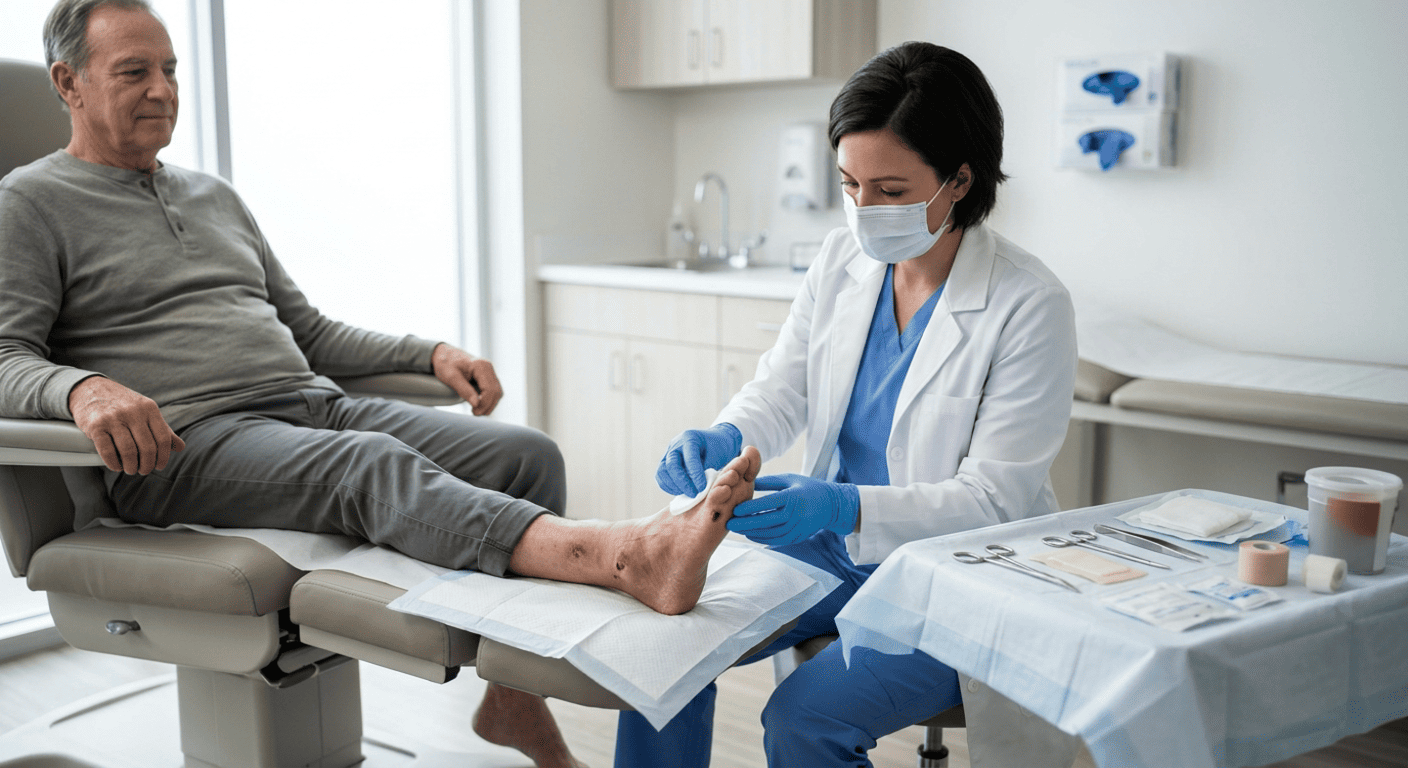
How can a diabetic wound heal faster? The best way to support faster healing is to seek medical care early, keep blood glucose within the target range recommended by your healthcare team, protect the wound with the correct dressing, remove pressure from the affected area, and watch closely for signs of infection. Good nutrition, daily wound checks, and proper foot care also play an important role. Even a small wound can become serious if it is ignored, so prompt treatment is always the safest approach.
How Can a Diabetic Wound Heal Faster? Safe Healing Guide
Living with diabetes means paying close attention to your feet and skin. A small cut, blister, or scrape that might heal quickly in someone else can sometimes take much longer to heal. If bacteria enter the wound or blood flow is poor, the risk of complications becomes much higher.
The good news is that many diabetes related wounds heal successfully when they receive the right care. Early treatment, healthy blood glucose management, pressure relief, proper wound cleaning, and regular follow up all work together to support healing.
This guide explains why these wounds heal more slowly, what steps can improve recovery, and when it is time to seek urgent medical care.
Why Diabetic Wounds Often Heal More Slowly
Understanding why healing takes longer can help you make better decisions from the beginning.
Diabetes affects several parts of the body’s natural healing process. Instead of one single problem, several factors often work together.
High Blood Glucose Can Slow Healing
When blood glucose remains higher than recommended for long periods, the body has a harder time repairing damaged tissue.
High glucose levels may:
- Reduce the body’s ability to fight infection.
- Slow the production of healthy new tissue.
- Damage small blood vessels.
- Reduce oxygen delivery to the wound.
Keeping blood glucose within the target range recommended by your healthcare provider supports the body’s normal healing process.
Poor Circulation Reduces Blood Flow
Healthy blood carries oxygen and nutrients to damaged tissue.
Some people with diabetes develop reduced circulation, especially in the legs and feet.
Without enough blood flow, wounds receive fewer nutrients needed for tissue repair.
Poor circulation may also make it harder for antibiotics and immune cells to reach the wound when infection develops.
Nerve Damage Can Hide Serious Problems
Peripheral neuropathy is another common complication of diabetes.
Damaged nerves may reduce feeling in the feet.
Because of this, some people do not notice:
- Cuts
- Blisters
- Burns
- Pressure sores
- Splinters
A wound can become much worse before it is discovered simply because it does not hurt.
This is why daily foot checks are so important.
Infection Develops More Easily
Open wounds allow bacteria to enter the skin.
If infection develops, healing often slows even further.
Untreated infections may spread into deeper tissue and, in severe cases, affect bone or enter the bloodstream.
Prompt treatment helps reduce these risks.
Repeated Pressure Keeps the Wound Open
Many diabetic wounds develop on the bottom of the foot.
Every step places pressure on the same area.
Imagine trying to repair a small crack while someone keeps pushing on it throughout the day.
The tissue cannot fully recover.
Removing pressure from the wound is often one of the most important parts of treatment.
Why Early Action Matters
Many people wait because the wound “doesn’t seem that bad.”
Unfortunately, diabetic wounds can worsen quickly.
Seeking help early often means:
- Faster treatment
- Lower infection risk
- Better healing
- Reduced chance of hospitalization
- Lower risk of serious complications
Expert Tip
Never judge a diabetic wound by pain alone.
Some of the most serious foot ulcers cause very little discomfort because nerve damage reduces sensation.
When a Diabetic Wound Needs Urgent Medical Care
Some wounds can safely wait for a routine appointment.
Others need immediate attention.
Knowing the warning signs can help prevent serious complications.
Seek Medical Care Right Away If You Notice
- Increasing redness
- Swelling
- Warmth around the wound
- Pus or cloudy drainage
- Bad odor
- Fever
- Chills
- Black or dark tissue
- Blue discoloration
- Exposed bone
- Rapidly increasing wound size
These signs may indicate infection or poor blood supply.
Foot Ulcers Always Deserve Prompt Evaluation
A diabetic foot ulcer should never be ignored.
Even if it appears small, it should be assessed by a healthcare professional as soon as possible.
Early treatment often prevents larger problems later.
Pain Is Not Always Present
Many people assume that if a wound does not hurt, it cannot be serious.
Unfortunately, diabetes related nerve damage often removes pain while the injury continues to worsen.
Always inspect your feet visually instead of relying on discomfort.
Daily Foot Checks Can Save You Problems
Spend a few minutes each day looking for:
- Cuts
- Blisters
- Red spots
- Swelling
- Cracks
- Drainage
- New calluses
- Changes in skin color
If you cannot easily see the bottom of your feet, use a mirror or ask someone you trust to help.
Common Causes of Diabetic Foot Wounds
Many ulcers begin with simple problems such as:
- Tight shoes
- Walking barefoot
- Small cuts
- Blisters
- Dry cracked skin
- Calluses
- Pressure points
Early attention to these small problems often prevents larger wounds.
Professional Advice
Do not attempt to cut away dead skin, drain blisters, or remove calluses yourself.
These procedures should be performed only by qualified healthcare professionals.
Steps That May Help a Diabetic Wound Heal Faster
Although every wound is different, several proven principles support better healing.
These steps work together rather than individually.
1. Get the Wound Assessed Early
Do not wait several days hoping it will improve.
Early evaluation helps identify:
- Infection
- Poor circulation
- Pressure problems
- Deep tissue injury
- Need for specialist care
2. Keep Blood Glucose Well Managed
Healthy glucose management supports:
- Immune function
- Tissue repair
- Reduced infection risk
Continue taking medications exactly as prescribed unless your healthcare provider advises otherwise.
3. Protect the Wound
Keeping the wound protected reduces:
- Dirt
- Bacteria
- Additional injury
- Friction
Proper dressings also help maintain an environment that supports healing.
4. Reduce Pressure
If the wound is on the foot, avoid placing unnecessary pressure on it.
Your healthcare provider may recommend:
- Walking boots
- Special footwear
- Orthotics
- Crutches
- Temporary activity changes
Following these instructions is often just as important as dressing changes.
5. Treat Infection Quickly
Not every wound needs antibiotics.
However, infected wounds require prompt medical treatment.
Never take leftover antibiotics or medications prescribed for someone else.
6. Attend Follow Up Visits
Healing is a process.
Regular appointments allow your healthcare team to:
- Measure healing progress
- Change dressings if needed
- Remove dead tissue safely
- Adjust treatment plans
- Detect problems early
Skipping appointments may delay healing.
Practical Example
Imagine someone develops a small blister after wearing new shoes.
Instead of continuing to walk on it for several days, they contact their healthcare provider, begin proper wound care, reduce pressure on the foot, and follow treatment instructions.
This early action often leads to a much smoother recovery than waiting until the wound becomes infected.
How Blood Sugar Control Supports Wound Healing
Blood glucose management is one of the most important parts of wound healing.
Although dressings and wound care matter, healing becomes much harder when blood glucose remains consistently above the target recommended by your healthcare team.
Why Blood Sugar Matters
Healthy glucose levels help support:
- White blood cell function
- Tissue repair
- Blood vessel health
- Oxygen delivery
- Infection defense
Poor glucose control can slow each of these processes.
Follow Your Diabetes Care Plan
Your healthcare provider may recommend:
- Checking blood glucose regularly
- Taking medications as prescribed
- Following your meal plan
- Staying physically active when appropriate
- Drinking enough water
These daily habits support your body’s natural healing process.
Nutrition Also Matters
Healing requires energy.
Your body also needs:
- Protein
- Vitamins
- Minerals
- Fluids
Eating balanced meals helps provide the building blocks needed for tissue repair.
Professional Insight
Do not expect perfect glucose readings every day.
Instead, focus on following your care plan consistently and discussing any concerns with your healthcare provider.
Small improvements over time often lead to better long term outcomes.
Why Pressure Offloading Matters for a Diabetic Foot Ulcer
Many diabetic foot ulcers develop because one area of the foot experiences repeated pressure.
Even after treatment begins, every step can slow healing if the pressure continues.
What Is Pressure Offloading?
Pressure offloading simply means reducing weight and stress on the injured area.
Removing repeated pressure gives damaged tissue a better chance to recover.
How Healthcare Providers Reduce Pressure
Depending on the wound, they may recommend:
- Walking boots
- Total contact casts
- Custom orthotics
- Protective footwear
- Crutches
- Wheelchairs for severe cases
The right option depends on the wound location and your overall health.
Why Following Instructions Matters
Some people remove protective devices because they feel inconvenient.
Unfortunately, walking on the wound too soon may reopen healing tissue again and again.
Consistently following your provider’s advice often speeds recovery.
How to Clean and Dress a Diabetic Wound Safely
Proper wound care protects healing tissue while lowering the risk of infection.
Simple does not mean ineffective.
In many cases, gentle cleaning works better than harsh chemicals.
Safe Cleaning Practices
Your healthcare provider may recommend:
- Gentle cleansing
- Sterile saline solution
- Clean dressing changes
- Hand washing before touching the wound
Avoid scrubbing the wound aggressively.
Choose the Correct Dressing
Different wounds require different dressings.
A healthcare professional may choose products such as:
- Foam dressings
- Hydrogel dressings
- Alginate dressings
- Nonadherent dressings
- Antimicrobial dressings
The correct choice depends on drainage, tissue condition, and healing progress.
Avoid Common Home Remedies
Do not use products unless your healthcare provider recommends them.
Avoid:
- Alcohol
- Bleach
- Full strength hydrogen peroxide
- Harsh antiseptics
- Homemade pastes
These products may damage healthy tissue or delay healing.
Keep the Wound Protected
Most diabetic wounds heal best when protected with an appropriate dressing rather than being left open to the air.
A covered wound is generally better protected from dirt, bacteria, and repeated injury.
Infection, Neuropathy, and Poor Circulation Warning Signs
Recognizing warning signs early can make a major difference in recovery. A wound that looks small on the surface may become much more serious if infection or poor circulation develops.
Checking your wound every day helps you notice changes before they become severe.
Signs That May Suggest an Infection
Watch for:
- Increasing redness around the wound
- Swelling
- Warm skin
- Yellow or green drainage
- Pus
- Unpleasant odor
- Fever or chills
- Increasing wound size
These symptoms deserve prompt medical attention.
Why Neuropathy Makes Wounds More Dangerous
Peripheral neuropathy reduces feeling in the feet.
Because of this, you may not notice:
- A blister caused by new shoes
- A small cut
- A burn from hot pavement
- A pressure sore
Some people continue walking on an injured foot without realizing the wound is getting worse.
That is why visual inspection is just as important as paying attention to pain.
Poor Circulation Can Delay Recovery
Healthy blood flow delivers oxygen and nutrients that damaged tissue needs to heal.
Reduced circulation can make healing much slower and increase the risk of infection.
Possible signs include:
- Cold feet
- Pale or bluish skin
- Slow healing wounds
- Weak pulses
- Hair loss on the lower legs
- Pain in the legs while walking
If poor circulation is suspected, your healthcare provider may recommend additional testing.
Check Your Feet Every Day
A simple daily routine can help you find problems early.
Look for:
✔ Cuts
✔ Blisters
✔ Red spots
✔ Swelling
✔ Cracks
✔ Drainage
✔ New calluses
✔ Color changes
If you have difficulty seeing the bottom of your feet, use a mirror or ask a trusted family member to help.
Professional Advice
Never ignore a wound simply because it does not hurt.
Many serious diabetic foot ulcers develop without causing significant pain because of nerve damage.
Nutrition That Supports Diabetic Wound Healing
Good nutrition gives your body the building blocks it needs to repair damaged tissue.
Although food alone cannot heal a wound, it plays an important role alongside proper medical treatment.
Protein Supports Tissue Repair
Protein helps build new tissue during healing.
Good sources include:
- Chicken
- Fish
- Eggs
- Greek yogurt
- Cottage cheese
- Beans
- Lentils
- Tofu
Try to include protein with each meal whenever possible.
Vitamin C Supports Healthy Skin
Vitamin C helps your body produce collagen, an important part of healthy skin.
Foods rich in vitamin C include:
- Oranges
- Strawberries
- Bell peppers
- Broccoli
- Kiwi
Zinc Helps Normal Healing
Your body also needs zinc for normal wound repair.
Healthy sources include:
- Lean meat
- Seafood
- Pumpkin seeds
- Beans
- Whole grains
Avoid taking zinc supplements unless your healthcare provider recommends them.
Stay Hydrated
Water helps support healthy circulation and overall body function.
Drink enough fluids throughout the day unless your healthcare provider has advised you to limit fluid intake.
Eat Balanced Meals
Instead of focusing on one “superfood,” aim for balanced nutrition.
A healthy plate may include:
- Lean protein
- Nonstarchy vegetables
- Whole grains
- Healthy fats
- Fruit in appropriate portions
Consistency matters much more than occasional perfect meals.
Common Mistakes That Can Delay Wound Healing
Even small mistakes can slow healing.
Fortunately, many are easy to avoid once you know what to watch for.
Waiting Too Long Before Seeking Care
Some people hope the wound will heal on its own.
Early treatment often prevents more serious complications.
Walking on a Foot Ulcer
Repeated pressure damages healing tissue.
Follow your healthcare provider’s recommendations about walking boots, protective footwear, or activity changes.
Skipping Dressing Changes
Dressings protect the wound.
Missing dressing changes may increase the risk of contamination and delay recovery.
Using Home Remedies
Avoid applying products that have not been recommended by your healthcare provider.
Examples include:
- Alcohol
- Bleach
- Full strength hydrogen peroxide
- Toothpaste
- Homemade herbal mixtures
These products may damage healthy tissue.
Smoking
Smoking reduces blood flow and oxygen delivery.
If you smoke, quitting can improve overall health and may support better healing.
Ignoring High Blood Glucose
Even excellent wound care becomes more difficult when blood glucose remains consistently above your target range.
Following your diabetes treatment plan supports recovery.
Missing Follow Up Appointments
Healing should be monitored regularly.
Appointments allow healthcare professionals to:
- Measure healing
- Adjust dressings
- Detect infection
- Remove dead tissue safely
- Update your treatment plan
Practical Advice
Think of wound healing as teamwork.
Your daily care at home and your healthcare team’s treatment plan work together to achieve the best results.
Professional and Advanced Treatments for Nonhealing Wounds
Sometimes a wound needs more than routine care.
If healing slows or complications develop, your healthcare provider may recommend additional treatments.
Professional Debridement
Dead tissue can slow healing and hide infection.
A trained healthcare professional may remove this tissue through a procedure called debridement.
Never attempt to remove dead tissue yourself.
Antibiotic Treatment
Antibiotics are used when a bacterial infection is present.
They are not necessary for every wound.
Always take antibiotics exactly as prescribed.
Vascular Assessment
If poor circulation is slowing healing, additional testing may be needed.
Improving blood flow can be an important part of recovery.
Advanced Wound Dressings
Some wounds benefit from specialized dressings that help manage moisture or bacteria.
Examples include:
- Foam dressings
- Hydrogel dressings
- Alginate dressings
- Antimicrobial dressings
Your healthcare provider will select the dressing based on your wound’s condition.
Negative Pressure Wound Therapy
Certain complex wounds may benefit from negative pressure wound therapy.
This treatment uses controlled suction to help remove excess fluid and encourage healthy tissue growth.
It is not appropriate for every wound but may help selected patients.
Hyperbaric Oxygen Therapy
Hyperbaric oxygen therapy may be considered for certain difficult wounds that have not responded to standard treatment.
It is usually recommended only after careful medical evaluation.
A Team Approach Often Works Best
Some wounds heal best when several specialists work together.
Your care team may include:
- Primary care clinician
- Wound care specialist
- Podiatrist
- Endocrinologist
- Vascular specialist
- Registered dietitian
Each professional helps address a different part of the healing process.
Final Thoughts on Supporting Faster and Safer Healing
Healing a diabetes related wound takes patience, consistency, and the right medical care. While there is no instant solution, early treatment, good blood glucose management, proper wound cleaning, pressure offloading, balanced nutrition, and regular follow up can greatly improve the chances of recovery.
The most important step is not waiting. Small wounds can become serious when they are ignored, especially on the feet. Checking your feet every day, protecting your skin, and seeking medical attention when something does not look right can help prevent major complications.
Reliable health information should support informed decisions, not replace professional medical care. Books_WD is committed to providing clear, practical education that helps readers better understand common health topics and make safer choices.
Frequently Asked Questions
Can a diabetic wound heal completely?
Yes. Many diabetes related wounds heal completely when they receive prompt medical care, proper wound management, good blood glucose control, and protection from repeated pressure. Healing time depends on the size of the wound, circulation, infection, and overall health.
Should a diabetic wound be covered or left open to air?
Most diabetic wounds heal better when protected with an appropriate dressing that maintains a healthy healing environment. Your healthcare provider can recommend the most suitable dressing based on the wound’s condition.
What foods may support diabetic wound healing?
Balanced meals that include protein, fruits, vegetables, whole grains, and healthy fats help provide nutrients needed for tissue repair. Staying hydrated and eating enough calories also supports recovery.
How long does a diabetic foot ulcer usually take to heal?
Healing time varies from person to person. Some wounds improve within weeks, while deeper ulcers may take several months. Factors such as infection, blood glucose management, circulation, and pressure relief all influence recovery.
What signs show that a diabetic wound is infected?
Seek medical care if you notice increasing redness, swelling, warmth, pus, foul odor, fever, chills, or black tissue. These symptoms may indicate infection or another serious complication that requires prompt treatment.
Conclusion
Although diabetes can slow wound healing, many wounds recover well when treated early and managed carefully. Protecting the wound, maintaining healthy blood glucose levels, reducing pressure, eating nutritious foods, and attending follow up appointments all contribute to better healing. Paying close attention to even small changes can help prevent serious complications and support a safer recovery.
If you want more easy to understand health articles backed by practical guidance, explore the educational resources available from Books_WD. They are designed to help you build healthier habits and make informed decisions with confidence.
