

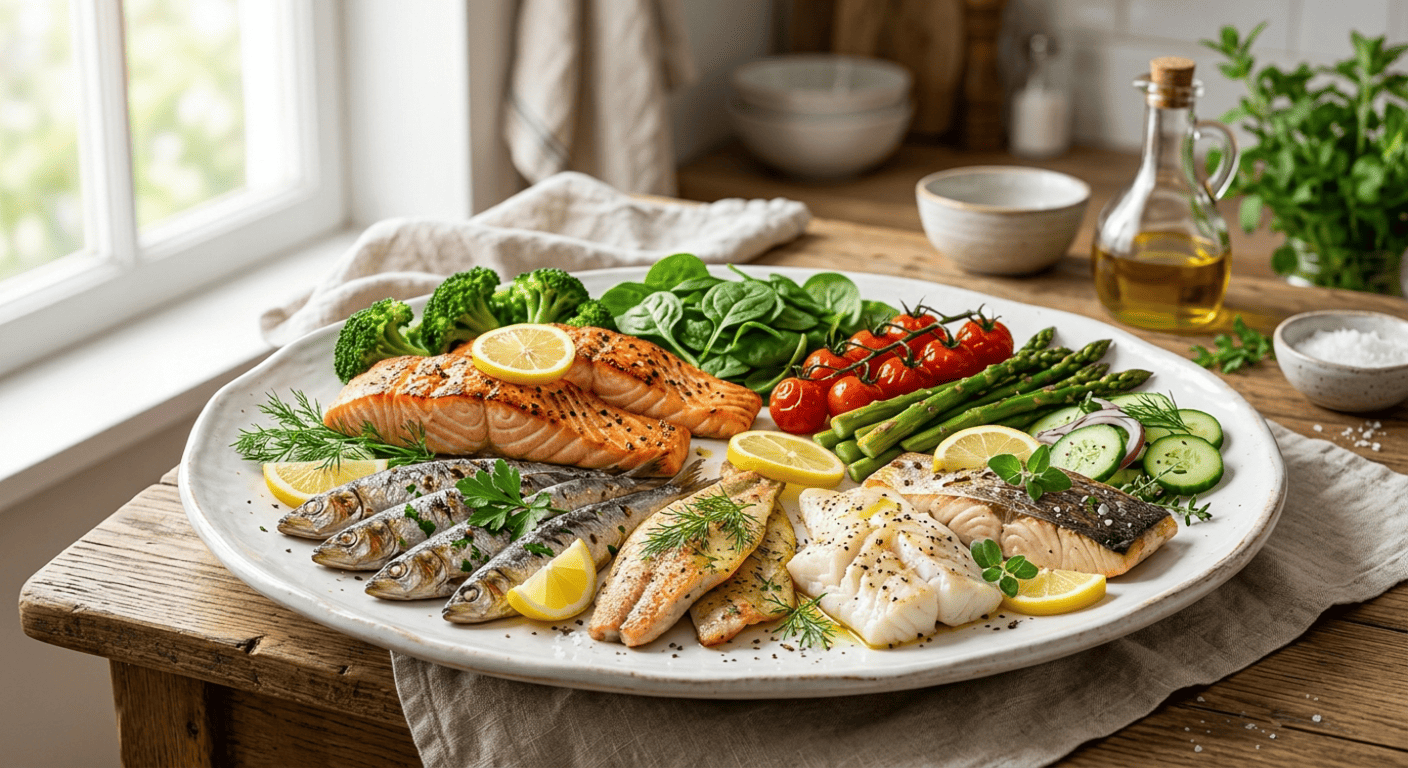
Which fish is good for diabetes? Salmon, sardines, rainbow trout, Atlantic mackerel, herring, cod, haddock, pollock, light tuna, and tilapia are among the healthiest choices. These fish are rich in high quality protein, naturally low in carbohydrates, and many also provide omega 3 fatty acids that support heart health. The best option depends on your nutrition needs, cooking method, and portion size. Choosing grilled, baked, steamed, or broiled fish instead of fried varieties can help you build balanced meals that support long term health.
Which Fish Is Good for Diabetes? A Complete Guide to Healthy Seafood Choices
Living with diabetes does not mean you have to give up delicious meals. In fact, fish can become one of the healthiest foods on your plate. It provides protein, important vitamins, and minerals while containing little or no carbohydrates. That combination makes it a smart choice for many people who want to manage their blood sugar while enjoying satisfying meals.
Not every type of fish offers the same nutritional value, though. Some varieties contain more heart healthy fats, while others are naturally lean and lower in calories. The way fish is prepared also plays a big role in its overall health benefits. A grilled salmon fillet is very different from a deep fried fish sandwich covered in sugary sauce.
This guide explains which fish offer the most benefits, how they fit into a balanced eating plan, and what to consider before adding them to your weekly menu. You will also learn practical tips that help you make smarter seafood choices without making your meals complicated.
Understanding Why Fish Can Be a Smart Choice for People With Diabetes
Many people focus only on carbohydrates when planning meals for diabetes. While carbohydrates certainly affect blood sugar, protein and healthy fats also deserve attention because they help create balanced meals that keep you feeling full longer.
Fish stands out because it naturally combines several nutritional advantages.
High Quality Protein Supports Fullness
Protein takes longer to digest than simple carbohydrates. When you include fish in a meal, it may help you stay satisfied between meals and reduce unnecessary snacking.
Good protein sources also help maintain muscle mass, especially as people get older. Strong muscles play an important role in overall health and healthy metabolism.
Most Fish Contain Very Little Carbohydrate
Plain fish contains little or no carbohydrates. That means it usually has very little direct effect on blood glucose levels by itself.
However, the complete meal still matters. Pairing fish with vegetables, whole grains, or other fiber rich foods creates a more balanced plate than serving it with fries and sugary sauces.
Healthy Fats Offer More Than Energy
Many seafood options contain omega 3 fatty acids, especially EPA and DHA. These healthy fats are well known for supporting cardiovascular health.
People living with diabetes often pay extra attention to heart health because diabetes can increase the risk of cardiovascular disease over time. Including fatty fish as part of a balanced diet can support overall wellness alongside other healthy lifestyle habits.
Fish Provides Important Vitamins and Minerals
Different varieties contain valuable nutrients such as:
- Vitamin D
- Vitamin B12
- Selenium
- Iodine
- Calcium, especially in canned sardines with edible bones
- Phosphorus
- Choline
Each nutrient contributes to different functions throughout the body, from supporting nerves to maintaining healthy bones.
Fish Fits Many Eating Styles
Another advantage is flexibility.
Fish works well with many healthy eating patterns, including:
- Mediterranean style diets
- Lower carbohydrate meal plans
- High protein diets
- Balanced calorie controlled diets
Because there are many different species available, it is easy to find options that match your taste preferences and budget.
Why Heart Health Matters
One reason healthcare professionals often recommend seafood is its connection to cardiovascular health.
People with diabetes have a greater chance of developing heart related conditions than those without diabetes. While no single food prevents disease, choosing nutrient dense protein sources instead of heavily processed meats can become one positive step toward healthier eating habits.
Think of fish as one piece of the bigger picture that includes regular physical activity, good sleep, stress management, and balanced nutrition.
Expert Tip
Instead of asking whether one food is “good” or “bad,” ask whether it helps create a balanced meal. Fish works best when combined with vegetables, healthy carbohydrates, and sensible portion sizes.
What Makes Certain Fish Better for Diabetes?
Walking through the seafood section at the grocery store can feel overwhelming. There are dozens of choices, each with different nutrition facts.
Fortunately, choosing healthier options becomes much easier once you know what to look for.
1. Rich in Protein
Protein remains one of the most important nutrients when selecting fish.
It helps:
- Support muscle health
- Increase fullness
- Build balanced meals
- Reduce hunger between meals
Nearly every fish provides quality protein, making seafood an excellent alternative to many processed meats.
2. Higher in Omega 3 Fatty Acids
Some fish naturally contain more healthy fats than others.
These include:
- Salmon
- Sardines
- Rainbow trout
- Atlantic mackerel
- Herring
- Anchovies
Omega 3 fatty acids support normal heart function and play an important role in overall health.
3. Lower in Saturated Fat
Compared with many cuts of red meat, most fish contain less saturated fat.
Replacing higher saturated fat foods with seafood several times each week can help create healthier meal patterns.
4. Lower Mercury Choices
Not every fish contains the same amount of mercury.
Smaller fish generally accumulate less mercury than larger predatory fish.
Good lower mercury choices often include:
- Salmon
- Sardines
- Pollock
- Cod
- Haddock
- Tilapia
- Atlantic mackerel
Larger species like king mackerel require more caution because they typically contain higher mercury levels.
5. Healthy Cooking Methods
The healthiest fish can lose many of its benefits if it is heavily breaded or deep fried.
Better cooking methods include:
- Baking
- Grilling
- Broiling
- Steaming
- Air frying
- Poaching
These methods preserve flavor without adding unnecessary calories or refined carbohydrates.
6. Limited Added Sodium
Fresh fish naturally contains less sodium than many processed foods.
If you choose canned seafood, check the nutrition label.
Look for products that are:
- Packed in water
- Lower in sodium
- Free from sugary sauces
Reading labels only takes a few seconds but helps you make more informed choices.
7. Part of a Balanced Meal
No single food controls diabetes.
Instead, think about your entire plate.
A balanced meal could include:
- Grilled fish
- Roasted broccoli
- Brown rice or quinoa
- Fresh salad
- Water or unsweetened beverages
This combination provides protein, fiber, healthy carbohydrates, vitamins, and minerals.
Common Mistake to Avoid
Many people assume all seafood meals are equally healthy.
For example:
- Grilled salmon with vegetables is very different from fried fish with fries and sweet dipping sauce.
- Breading, sauces, and side dishes often change the nutritional value more than the fish itself.
Looking beyond the main ingredient helps you make better choices every time.
Which Fish Is Good for Diabetes? Top 10 Healthy Choices
While many seafood options can fit into a healthy meal plan, some stand out because of their excellent nutrition profile. They provide protein, important nutrients, and in many cases, heart healthy omega 3 fats.
Here are ten of the best choices.
1. Salmon
Salmon consistently ranks among the healthiest fish available.
It offers:
- High quality protein
- EPA and DHA omega 3 fatty acids
- Vitamin D
- Vitamin B12
- Selenium
Salmon works well baked, grilled, broiled, or air fried. It pairs nicely with roasted vegetables, leafy greens, or whole grains.
Best for: Heart healthy meals and increasing omega 3 intake.
2. Sardines
Although small, sardines deliver impressive nutrition.
They contain:
- Protein
- Omega 3 fats
- Calcium
- Vitamin D
- Vitamin B12
Canned sardines are also convenient, affordable, and require no cooking.
Choose varieties packed in water or olive oil when possible, and compare sodium levels between brands.
Best for: Budget friendly nutrition and calcium intake.
3. Rainbow Trout
Rainbow trout provides many of the same heart healthy fats found in salmon while offering a mild flavor that many people enjoy.
It also supplies:
- Protein
- Vitamin D
- Selenium
- Omega 3 fatty acids
Grilling or baking helps preserve its natural taste without adding excess fat.
Best for: People looking for an alternative to salmon.
4. Atlantic Mackerel
Atlantic mackerel is one of the richest natural sources of omega 3 fatty acids.
It provides:
- Protein
- Healthy fats
- Vitamin B12
- Selenium
It is important to distinguish Atlantic mackerel from king mackerel. King mackerel contains much higher mercury levels and should not be confused with Atlantic mackerel.
Best for: Increasing healthy fat intake while choosing a lower mercury option.
5. Herring
Herring remains a nutrient rich oily fish that supports balanced nutrition.
It supplies:
- Protein
- Omega 3 fats
- Vitamin D
- Vitamin B12
Fresh or baked herring makes a healthier choice than heavily salted or heavily processed versions.
Best for: Adding variety to weekly seafood meals.
6. Cod
Cod is a lean white fish with a mild taste.
It provides:
- Lean protein
- Vitamin B12
- Selenium
Because it contains less fat than oily fish, cod works well for people who prefer lighter meals.
Best for: Lean protein with a delicate flavor.
7. Haddock
Haddock shares many qualities with cod.
It is:
- High in protein
- Low in fat
- Easy to cook
- Mild tasting
Baking or grilling brings out its natural flavor without needing heavy sauces.
Best for: Family friendly meals.
8. Pollock
Pollock is often overlooked despite being highly nutritious.
It offers:
- Lean protein
- Low saturated fat
- Mild flavor
Fresh pollock is a better choice than heavily processed breaded products made from the same fish.
Best for: Affordable everyday meals.
9. Tilapia
Tilapia is another lean fish that provides plenty of protein with relatively little fat.
Its mild taste makes it popular among children and adults who are new to seafood.
Serve it with roasted vegetables and whole grains for a balanced meal.
Best for: Quick weeknight dinners.
10. Light Tuna
Light tuna remains a convenient protein source for sandwiches, salads, and wraps.
When choosing canned tuna:
- Compare sodium levels.
- Choose products packed in water if appropriate for your dietary needs.
- Enjoy it as part of a varied seafood intake rather than relying on one type of fish every week.
Best for: Convenient lunches and meal preparation.
Quick Comparison of the Top Fish Choices
| Fish | Rich in Omega 3 | Lean Protein | Lower Mercury Choice |
| Salmon | ✔ | ✔ | ✔ |
| Sardines | ✔ | ✔ | ✔ |
| Rainbow Trout | ✔ | ✔ | ✔ |
| Atlantic Mackerel | ✔ | ✔ | ✔ |
| Herring | ✔ | ✔ | Generally Yes |
| Cod | Moderate | ✔ | ✔ |
| Haddock | Moderate | ✔ | ✔ |
| Pollock | Moderate | ✔ | ✔ |
| Tilapia | Lower | ✔ | ✔ |
| Light Tuna | Moderate | ✔ | Generally Yes |
Fatty Fish vs Lean Fish, Which Option Is Better for Blood Sugar and Heart Health?
When choosing seafood, many people wonder whether fatty fish or lean fish is the healthier option. The truth is that both can be part of a balanced diet. The better choice depends on your nutrition goals, personal preferences, and how often you eat seafood.
The biggest difference is the amount of healthy fat each type contains.
What Is Fatty Fish?
Fatty fish, also called oily fish, naturally contain more omega 3 fatty acids. These healthy fats include EPA and DHA, which support normal heart function and overall health.
Common examples include:
- Salmon
- Sardines
- Atlantic mackerel
- Herring
- Rainbow trout
- Anchovies
Besides healthy fats, these fish also provide:
- High quality protein
- Vitamin D
- Vitamin B12
- Selenium
Because people with diabetes often pay close attention to cardiovascular health, adding fatty fish to weekly meals can be a smart choice.
What Is Lean Fish?
Lean fish contain much less fat while still providing excellent protein.
Popular lean choices include:
- Cod
- Haddock
- Pollock
- Tilapia
- Flounder
- Halibut
These fish usually have a mild flavor and cook quickly, making them ideal for everyday meals.
Which One Is Better?
There is no single winner.
Instead, include both types throughout the week.
Fatty fish provide more omega 3 fats, while lean fish offer lighter meals with fewer calories. Eating a variety also gives you access to a wider range of nutrients.
Simple Comparison
| Feature | Fatty Fish | Lean Fish |
| Protein | Excellent | Excellent |
| Omega 3 | Higher | Lower |
| Calories | Slightly Higher | Lower |
| Saturated Fat | Generally Low | Very Low |
| Heart Healthy Fats | Excellent | Good |
| Everyday Meal Option | Yes | Yes |
A Practical Meal Example
Imagine two dinner plates.
Plate One
- Baked salmon
- Steamed broccoli
- Brown rice
- Fresh berries
Plate Two
- Grilled cod
- Roasted asparagus
- Quinoa
- Mixed salad
Both meals provide protein, vegetables, and healthy carbohydrates. Neither one is automatically better. Variety throughout the week often provides the greatest nutritional benefit.
Expert Tip
Do not focus only on the fish.
The cooking method, portion size, sauces, and side dishes have a much bigger effect on the overall meal than many people realize.
Best Ways to Cook Fish for People With Diabetes
Even the healthiest seafood can become less nutritious if it is prepared with lots of refined flour, unhealthy fats, or sugary sauces.
Cooking methods matter.
Choosing simple preparation techniques allows the natural flavor of the fish to shine while keeping meals balanced.
1. Grilling
Grilling is one of the healthiest ways to cook seafood.
Benefits include:
- Little added fat
- Rich flavor
- Quick cooking
- Crispy outside without heavy breading
Season with herbs, lemon, garlic, black pepper, or fresh spices instead of sugary glazes.
2. Baking
Baking keeps fish moist while requiring very little oil.
Good additions include:
- Garlic
- Dill
- Parsley
- Lemon slices
- Black pepper
- Paprika
Wrap fish with vegetables in foil for an easy one pan dinner.
3. Steaming
Steaming preserves moisture without adding fat.
This method works especially well for:
- Cod
- Haddock
- Pollock
- Tilapia
Serve with steamed vegetables for a simple meal.
4. Broiling
Broiling cooks fish quickly using high heat.
It creates a lightly browned surface while keeping the inside tender.
This works well for:
- Salmon
- Trout
- Herring
5. Air Frying
Air fryers create a crispy texture using much less oil than deep frying.
Lightly season the fish instead of coating it with thick breading.
This provides a satisfying crunch while reducing extra calories.
Cooking Methods to Limit
Some preparation styles add unnecessary calories, sodium, or refined carbohydrates.
Limit:
- Deep fried fish
- Heavy batter
- Thick breadcrumbs
- Cream based sauces
- Sweet barbecue glaze
- Honey coated seafood
- Sugary marinades
These additions can quickly change the nutrition profile of an otherwise healthy meal.
Healthier Flavor Ideas
Instead of sugary sauces, try:
- Fresh herbs
- Lemon juice
- Lime juice
- Garlic
- Onion powder
- Paprika
- Black pepper
- Rosemary
- Thyme
- Olive oil in moderation
These ingredients enhance flavor without overwhelming the natural taste of the fish.
Build a Balanced Plate
A healthy seafood meal often includes:
- One serving of fish
- Plenty of nonstarchy vegetables
- A controlled portion of whole grains or another healthy carbohydrate
- Water or an unsweetened drink
This combination creates a satisfying meal that supports overall nutrition.
Professional Tip
Restaurant seafood is not always healthier simply because it contains fish.
Many restaurant meals include:
- Large portions
- Butter heavy sauces
- Breading
- French fries
- Sweet beverages
When dining out, ask whether the fish can be grilled, baked, or broiled instead.
Fish to Limit or Avoid if You Have Diabetes
Most seafood can fit into a healthy eating plan, but some choices deserve extra attention.
The goal is not to avoid fish altogether. Instead, choose varieties and preparation methods that support better nutrition.
1. High Mercury Fish
Large predatory fish tend to accumulate more mercury over time.
Examples include:
- King mackerel
- Shark
- Swordfish
- Tilefish
- Marlin
Eating these fish frequently is generally not recommended.
Instead, choose lower mercury varieties more often.
2. Deep Fried Fish
Deep frying changes more than the texture.
It often adds:
- Extra calories
- Refined carbohydrates
- Less healthy fats
When fish is covered in thick batter, the meal becomes very different from plain grilled seafood.
3. Breaded Frozen Fish Products
Many frozen fish sticks and breaded fillets contain:
- Refined flour
- Added sodium
- Preservatives
- Extra fat
Always compare nutrition labels before buying processed seafood.
4. Fish Covered in Sugary Sauces
Some ready made meals contain:
- Sweet chili sauce
- Honey glaze
- Teriyaki sauce
- Sweet barbecue sauce
These sauces can contain surprising amounts of added sugar.
Choose lighter seasoning whenever possible.
5. Highly Processed Seafood
Processed seafood products may contain:
- Extra sodium
- Fillers
- Artificial ingredients
Whenever possible, choose fresh or minimally processed seafood.
6. High Sodium Canned Seafood
Canned fish can be an excellent choice, but sodium levels vary greatly.
Compare labels and consider:
- Water packed products
- Reduced sodium options
- Simple ingredient lists
A few extra seconds spent reading labels can make healthier shopping much easier.
Common Shopping Mistakes
Many people assume every seafood product is healthy.
Instead, look closely at:
- Ingredient list
- Sodium content
- Added sugars
- Cooking instructions
- Serving size
These details often tell you far more than the front of the package.
Remember the Big Picture
No single food determines your health.
Instead of asking whether one product is perfect, think about your overall eating habits.
Healthy routines built over time usually matter much more than one individual meal.
How Much Fish Should You Eat and How Often?
Knowing which seafood to choose is only part of the equation.
Portion size and meal frequency also matter.
Eating reasonable amounts helps create balanced meals without overdoing calories or sodium.
A Healthy Serving Size
A typical serving of cooked fish is about the size of your palm.
This amount provides:
- Plenty of protein
- Important vitamins
- Healthy fats, depending on the variety
Serving sizes may differ based on age, activity level, and personal nutrition goals.
How Often Should You Eat Fish?
Many nutrition experts recommend including seafood around two times each week.
This provides variety while allowing you to enjoy different types of fish throughout the week.
Instead of eating the same fish repeatedly, rotate choices such as:
- Salmon
- Sardines
- Trout
- Cod
- Haddock
- Pollock
- Tilapia
- Light tuna
Variety also reduces reliance on any one species.
Pair Fish With Other Nutritious Foods
Fish works best as one part of a complete meal.
Good side dishes include:
- Broccoli
- Spinach
- Green beans
- Brussels sprouts
- Cauliflower
- Mixed salads
- Brown rice
- Quinoa
- Sweet potatoes
- Beans
This combination adds fiber, vitamins, and minerals that support balanced nutrition.
Portion Control Tips
Simple habits make portion control easier.
Try these ideas:
- Fill half your plate with vegetables.
- Add one serving of fish.
- Include a moderate serving of healthy carbohydrates.
- Eat slowly.
- Stop eating when comfortably satisfied.
These habits are often easier to maintain than strict dieting.
Meal Planning Made Simple
Planning meals ahead saves time and encourages healthier choices.
A simple weekly plan could look like this:
Monday
Grilled cod with roasted vegetables.
Wednesday
Baked salmon with brown rice.
Friday
Air fried tilapia with mixed salad.
Changing the type of fish each week keeps meals interesting while adding nutritional variety.
Expert Tip
Frozen seafood can be just as nutritious as fresh seafood.
Many fish are frozen shortly after being caught, which helps preserve quality and nutrients.
Choose products with simple ingredient lists whenever possible.
Fresh, Frozen, or Canned Fish, Which Is the Healthiest Choice?
Many people believe fresh fish is always the healthiest option. In reality, fresh, frozen, and canned fish can all be nutritious. The best choice depends on your budget, cooking habits, and nutrition needs.
The key is to compare ingredients and choose products with minimal processing.
Fresh Fish
Fresh fish is a great option when it is available.
Benefits include:
- Natural flavor
- Flexible cooking options
- No added preservatives in most cases
- Easy to season with herbs and spices
Choose fish that looks firm, smells clean, and has bright, clear flesh.
Best for
- Family dinners
- Grilling
- Baking
- Meal preparation
Frozen Fish
Frozen seafood often surprises people.
Many fish are frozen soon after they are caught, which helps preserve nutrients and freshness.
Advantages include:
- Long shelf life
- Less food waste
- Available throughout the year
- Often more affordable than fresh seafood
Look for products without heavy breading, sauces, or unnecessary additives.
Best for
- Busy households
- Weekly meal planning
- Budget friendly shopping
Canned Fish
Canned seafood is one of the easiest ways to add protein to meals.
Good options include:
- Canned salmon
- Sardines
- Light tuna
Before buying, compare nutrition labels.
Choose products that are:
- Packed in water when appropriate for your nutrition goals
- Lower in sodium
- Made with simple ingredients
Canned fish works well in salads, sandwiches, wraps, grain bowls, and pasta dishes.
Which Option Should You Choose?
There is no single best answer.
Instead, think about what fits your lifestyle.
| Option | Advantages | Things to Consider |
| Fresh | Great taste and texture | Shorter shelf life |
| Frozen | Convenient and affordable | Avoid breaded products |
| Canned | Quick and budget friendly | Check sodium levels |
The healthiest option is usually the one you enjoy and can include regularly as part of balanced meals.
Expert Tip
Keep frozen fish and canned seafood in your kitchen for busy days. Having healthy options ready often makes it easier to avoid less nutritious convenience foods.
Common Mistakes People Make When Eating Fish for Diabetes
Fish can be an excellent addition to a healthy diet, but a few common mistakes can reduce its benefits.
Knowing what to avoid helps you make smarter choices.
Choosing Fried Fish Too Often
Deep frying adds extra fat and refined carbohydrates.
Instead, try:
- Baking
- Grilling
- Broiling
- Steaming
- Air frying
These methods allow the fish to remain the star of the meal.
Ignoring Portion Sizes
Even healthy foods should be enjoyed in reasonable amounts.
Very large portions may add more calories than you need.
Using your palm as a guide is a simple way to estimate a serving.
Forgetting About Side Dishes
Fish may be nutritious, but side dishes complete the meal.
Instead of serving seafood with:
- French fries
- Sugary drinks
- Creamy pasta
- Sweet sauces
Try:
- Roasted vegetables
- Green salads
- Brown rice
- Quinoa
- Beans
Small changes often make a big difference.
Eating the Same Fish Every Week
Variety improves nutrition.
Rotating different seafood choices provides a wider range of vitamins, minerals, and healthy fats.
A weekly rotation may include:
- Salmon
- Sardines
- Cod
- Trout
- Haddock
- Pollock
- Tilapia
- Light tuna
Not Reading Nutrition Labels
Prepared seafood products can vary greatly.
Always check:
- Sodium
- Added sugars
- Ingredients
- Serving size
Making label reading a habit helps you make informed decisions every time you shop.
Assuming Fish Alone Is Enough
No single food manages diabetes.
Healthy eating works best when you combine nutritious foods with regular physical activity, quality sleep, and guidance from your healthcare team when needed.
Professional Insight
Many people spend too much time searching for one “perfect” food.
A better approach is to build healthy habits you can maintain for years. Consistency almost always delivers better results than chasing quick fixes.
Simple Tips to Include More Fish in a Diabetes Friendly Diet
Adding more seafood to your meals does not have to be difficult.
Small, practical changes often work better than major diet overhauls.
Plan One or Two Seafood Meals Each Week
Choose two days for fish meals.
Planning ahead reduces last minute decisions and makes grocery shopping easier.
Keep Healthy Options Ready
Stock your kitchen with:
- Frozen fish fillets
- Canned salmon
- Sardines
- Light tuna
These ingredients allow you to prepare meals in minutes.
Add More Vegetables
Half of your plate can include colorful vegetables such as:
- Broccoli
- Spinach
- Carrots
- Bell peppers
- Green beans
- Cauliflower
Vegetables add fiber, vitamins, and texture.
Experiment With Different Flavors
Healthy meals never need to be boring.
Try seasoning fish with:
- Garlic
- Lemon
- Fresh herbs
- Black pepper
- Paprika
- Dill
Changing herbs and spices creates new flavors without relying on sugary sauces.
Prepare Extra Portions
Cook additional servings during dinner.
Leftovers make excellent lunches the next day and reduce the temptation to order fast food.
Make Seafood Part of Everyday Life
Simple meal ideas include:
- Salmon with roasted vegetables
- Tuna salad with leafy greens
- Sardines on whole grain toast
- Baked cod with quinoa
- Grilled trout with steamed broccoli
These meals are simple enough for busy weekdays while still providing balanced nutrition.
Final Thoughts, Choosing the Right Fish for Better Diabetes Management
Choosing healthier seafood does not have to be complicated. Both fatty fish and lean fish can support balanced eating when prepared in healthy ways and enjoyed in sensible portions.
Salmon, sardines, rainbow trout, Atlantic mackerel, cod, haddock, pollock, tilapia, herring, and light tuna all have something valuable to offer. Rotating different varieties helps you enjoy a wider range of nutrients while keeping meals interesting.
It is also important to remember that the fish itself is only one part of the meal. Cooking methods, portion sizes, vegetables, whole grains, and overall eating habits all contribute to better long term health.
Making small improvements one step at a time is often more effective than trying to change everything overnight.
If you are living with diabetes, or another health condition, speak with your doctor or a registered dietitian before making major dietary changes. Personalized advice is always the safest approach.
For more practical nutrition guides written in clear, easy to understand language, Books_WD is committed to sharing trustworthy educational content that helps readers make informed food choices.
Frequently Asked Questions
Is fish good for people with diabetes every day?
Fish can be part of a healthy eating pattern, but variety is important. Rotating different protein sources throughout the week helps provide a wider range of nutrients while reducing reliance on one type of seafood.
Which fish provides the most omega 3 fatty acids?
Salmon, sardines, Atlantic mackerel, herring, and rainbow trout are among the richest natural sources of omega 3 fatty acids. These healthy fats support heart health and make these fish excellent additions to a balanced diet.
Is canned fish as healthy as fresh fish?
Yes. Canned fish can be a nutritious option when you choose products with simple ingredients and compare sodium levels. Fresh, frozen, and canned seafood can all fit into healthy meal planning.
Should people with diabetes avoid fried fish?
Fried fish is best enjoyed only occasionally because breading and deep frying add extra calories, refined carbohydrates, and fat. Grilled, baked, steamed, broiled, or air fried fish are generally better choices.
What should I serve with fish for a balanced meal?
Pair fish with plenty of nonstarchy vegetables and a moderate serving of whole grains or another healthy carbohydrate. This combination provides protein, fiber, vitamins, and minerals while creating a satisfying meal.
Conclusion
Fish can be an excellent addition to a balanced eating plan for people living with diabetes. Whether you choose salmon, sardines, cod, trout, pollock, or another nutritious variety, the biggest benefits come from preparing it in healthy ways and enjoying it as part of a well rounded diet. Focus on variety, sensible portions, and wholesome side dishes, and you will be making choices that support your overall health for years to come.
If you would like more practical health and nutrition resources that are simple to understand and based on trusted information, explore more guides from Books_WD. They are designed to help you make confident, informed decisions for a healthier lifestyle.
