

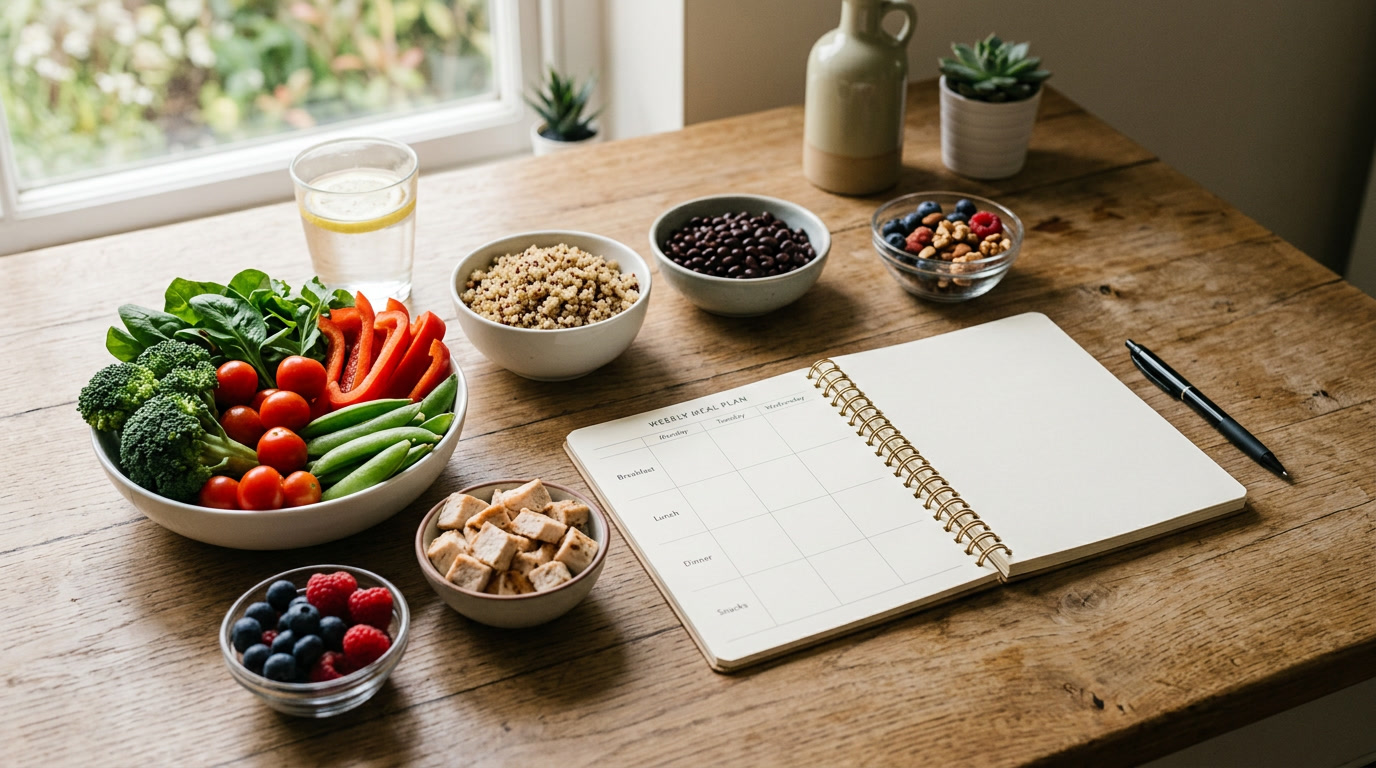
To choose a sustainable eating plan, select an approach that supports your health while fitting your food preferences, culture, budget, schedule, and daily routine. The best plan is not the strictest one. It is the one you can follow most days without feeling constantly hungry, guilty, tired, or deprived.
Start with balanced meals built around vegetables, fruit, whole grains, protein, and healthy fats. Keep portions suitable for your goals, allow room for favorite foods, and make gradual changes. Review your progress regularly and adjust the plan instead of abandoning it after a difficult day.
1. What Makes an Eating Plan Sustainable?
A sustainable approach is one you can continue for months and years, not only for a short challenge. It should support your physical health without making everyday life harder than necessary.
The word sustainable can also describe how food choices affect the environment. In this article, it mainly means personally sustainable, which means the plan is realistic enough to maintain over time.
A lasting approach usually has several qualities:
- It provides enough energy and nutrients.
- It includes foods you enjoy.
- It works with your normal schedule.
- It fits your grocery budget.
- It respects your culture and food traditions.
- It does not require perfection.
- It can continue during travel, holidays, and busy weeks.
- It produces gradual progress rather than extreme short term changes.
The National Institute of Diabetes and Digestive and Kidney Diseases explains that the best eating approach is backed by science and suited to a person’s health, preferences, values, and cultural needs. These features make it easier to follow over the long term.
2. The Best Plan Is One You Can Repeat
Many eating programs can produce short term results when they reduce calorie intake. The larger challenge is following the same rules after the first burst of motivation disappears.
A plan may look impressive but still fail if it requires expensive ingredients, separate meals from your family, hours of cooking, or the complete removal of foods you enjoy. When the plan creates too much stress, most people eventually return to their previous habits.
A practical approach should answer four basic questions:
- Can I afford these foods each week?
- Can I prepare these meals with the time I have?
- Can I eat this way around family and friends?
- Can I imagine following most of these habits next year?
Several eating patterns can support health. The American Heart Association notes that a healthy overall pattern can be followed at home, in restaurants, through prepared meals, or while ordering food online. This flexibility matters because real life does not happen in a controlled meal plan.
3. Begin With a Clear and Realistic Goal
Decide what result matters most before choosing a plan. Your goal may involve weight management, better energy, improved blood sugar, lower cholesterol, easier digestion, or simply eating more nutritious food.
Avoid vague goals such as eating perfectly or losing weight as fast as possible. Choose a result you can measure and connect it to a personal reason.
For example:
- I want to prepare dinner at home four nights each week.
- I want to add vegetables to lunch and dinner.
- I want to replace sugary drinks with water on weekdays.
- I want to improve my blood pressure through food and activity.
- I want to lose weight at a gradual pace without skipping meals.
The Centers for Disease Control and Prevention states that people who lose weight at a steady pace of about one to two pounds per week are more likely to keep it off than people who lose weight more quickly. The CDC also explains that sleep, stress, medicines, hormones, age, genes, and the environment can affect weight.
This means slow progress is not failure. A realistic goal gives you time to develop habits that can remain after the scale changes.
4. Check the Nutritional Quality of the Plan
A plan should do more than reduce calories. It should provide the nutrients your body needs for energy, muscle, digestion, immunity, and general health.
A balanced pattern usually includes:
- A variety of vegetables
- Whole fruit
- Whole grains
- Beans, peas, and lentils
- Seafood, eggs, poultry, or lean meat
- Nuts and seeds
- Dairy without added sugar or a suitable fortified alternative
- Healthy sources of fat
Current CDC guidance recommends a variety of nutrient dense foods while limiting added sugar, excess sodium, saturated fat, trans fat, and heavily processed choices. It also advises staying within calorie needs that reflect age, size, sex, and activity.
You do not need every meal to contain every food group. Look at the overall pattern across the day and week.
A simple meal may include a protein source, a fiber rich carbohydrate, vegetables or fruit, and a small amount of healthy fat. This combination can provide energy and help meals feel more satisfying.
Be cautious with plans that remove several major food groups without a medical reason. Large restrictions can make it harder to obtain enough fiber, vitamins, minerals, protein, or energy.
5. Match the Plan to Your Preferences and Culture
Food is connected to family, culture, religion, memories, and social life. A plan that ignores these factors may feel like a temporary project rather than a normal way of eating.
You do not need to replace every traditional meal with salad, grilled chicken, or a packaged diet product. Most cuisines already contain useful foods such as beans, vegetables, grains, soups, yogurt, fish, herbs, and lean protein.
Instead of removing a favorite meal, consider adjusting:
- The cooking method
- The portion size
- The amount of oil or sauce
- The balance of vegetables and protein
- The frequency of the meal
- The drink served with it
For example, you may keep a rice based meal but use a smaller rice portion, add more vegetables, and include a filling protein. You may continue enjoying a family dessert while serving a smaller portion less often.
The goal is not to make every food as low in calories as possible. The goal is to create an overall pattern that supports health without separating you from your normal life.
6. Include Flexibility and Favorite Foods
Strict rules often create an all or nothing mindset. One restaurant meal, dessert, or missed workout can make a person believe the entire plan has failed.
A flexible approach treats one meal as one meal. It does not require punishment, fasting, or extreme restriction the next day.
Favorite foods can fit when you consider frequency, portion, and the rest of the meal. You may decide to enjoy pizza with a vegetable side, order a smaller burger, share dessert, or choose a lighter meal earlier in the day.
Flexibility also means having backup choices for busy days. Keep simple foods available, such as:
- Frozen vegetables
- Canned beans
- Eggs
- Plain yogurt
- Frozen fruit
- Whole grain bread
- Canned tuna or salmon
- Nuts
- Microwaveable whole grains
- Prepared soup with suitable sodium
Frozen and canned produce can be practical choices. The CDC recommends looking for vegetables without added salt and fruit packed in water or its own juice.
Convenient food is not automatically unhealthy. The important question is whether it helps you prepare a balanced meal when time and energy are limited.
7. Make Changes Small Enough to Repeat
Changing every meal at once may feel exciting, but it can create too many decisions. Start with the change that offers the greatest benefit with the least difficulty.
Examples include:
- Add fruit to breakfast.
- Carry water during the day.
- Prepare one extra serving at dinner for lunch.
- Replace one refined grain with a whole grain.
- Add beans to soup, rice, or salad.
- Plan three dinners before grocery shopping.
- Eat at a table instead of in front of a screen.
- Take a short walk after dinner.
Keep the change for one or two weeks before adding another. This allows you to notice what works and solve problems before the plan becomes complicated.
Tracking can help during the early stage. Record meals, hunger, energy, sleep, and activity for several days. You do not need to track every detail forever. Use the information to find patterns.
The CDC recommends reviewing current eating, physical activity, sleep, and stress habits before making changes. This can reveal practical barriers such as a busy work schedule, poor sleep, or a lack of convenient food at home.
8. Building a Practical Routine in Portland, Oregon
Start by planning meals around the places where you normally shop and eat. Choose produce that is affordable and in season, but also use frozen and canned items when they save time or reduce waste.
Create a short list of meals you can prepare without much thought. You may choose three breakfasts, three lunches, and five dinners that use similar ingredients.
For example, cooked chicken can be used in a grain bowl, sandwich, soup, or vegetable dish. Beans can be added to salad, tacos, rice, or pasta. Preparing ingredients that work in several meals reduces cost and effort.
Keep one emergency meal available for difficult evenings. It could be eggs with whole grain toast and fruit, a frozen vegetable stir fry with protein, or canned soup with a simple side.
A lasting routine depends less on perfect recipes and more on having reasonable choices available when you are busy, tired, or hungry.
9. Judge Progress With More Than Body Weight
The scale can provide useful information, but it does not show every benefit of improved eating.
You may also notice:
- Better energy
- More stable hunger
- Improved digestion
- Better sleep
- Lower blood pressure
- Improved blood sugar
- Better cholesterol results
- More strength during activity
- Improved confidence with cooking
- Fewer uncontrolled eating episodes
Body weight can change because of water, sodium, hormones, digestion, and several other factors. Look at the trend over time instead of reacting to one measurement.
Review your progress every two to four weeks. Ask:
- Which habits became easier?
- Which meals kept me satisfied?
- Where did the plan feel too strict?
- Which foods cost more than expected?
- What happened during stressful days?
- What small adjustment would improve the next month?
Changing the plan does not mean you failed. Adjustment is part of building a routine that fits real life.
10. Support Eating Habits With Activity, Sleep, and Stress Care
Food choices do not exist separately from the rest of your life. Poor sleep can affect appetite and decision making. Stress may lead to emotional eating or skipped meals. Low activity can affect health even when food quality is good.
Healthy weight management usually includes nutrition, physical activity, sleep, and stress care.
Adults should generally aim for at least 150 minutes of moderate activity each week, along with muscle strengthening activity on at least two days. Personal health and ability should guide the type and amount of movement.
You do not need to begin with a full exercise program. Start with walking, household movement, short activity breaks, or simple strength exercises.
Protect sleep by keeping regular bed and wake times when possible. Build stress care into your routine through breathing exercises, time outside, hobbies, social support, or professional counseling.
When these areas improve together, healthy food choices often become easier to maintain.
11. Warning Signs That a Plan May Not Be Sustainable
A plan may need to be changed when it causes more problems than benefits.
Common warning signs include:
- Constant hunger
- Frequent dizziness or weakness
- Fear of normal foods
- Strong guilt after eating
- Repeated cycles of restriction and overeating
- Avoiding social events because of food
- Spending more than you can afford
- Depending on supplements or special products
- Removing many food groups
- Promises of extremely fast results
- Rules that cannot continue during normal life
- Advice that conflicts with medical treatment
NIDDK advises avoiding programs that promise extreme weight loss, allow unlimited portions without consequences, or claim to reduce fat from one specific body area. A safe program should include realistic goals, healthy eating, activity when suitable, ongoing support, and a plan for maintaining results.
Speak with a doctor or registered dietitian before making major changes if you have diabetes, kidney disease, heart disease, digestive illness, food allergies, an eating disorder, or take medicine affected by food intake.
Professional guidance can also help when your weight changes unexpectedly or when a plan causes ongoing tiredness, weakness, digestive problems, or emotional distress.
12. Frequently Asked Questions
What is the most sustainable diet for weight loss?
There is no single best diet for everyone. The strongest option is a balanced, calorie aware pattern that fits your health, preferences, culture, budget, and schedule. Different approaches can work when they are safe and can be maintained.
How can I tell whether an eating plan will last?
Try following it for two weeks and review hunger, energy, cost, cooking time, social life, and enjoyment. A lasting plan should work on ordinary days, not only when motivation is high.
Should I remove carbohydrates to get long term results?
Most people do not need to remove carbohydrates. Whole grains, fruit, beans, and vegetables provide fiber and important nutrients. Portion size and carbohydrate quality usually matter more than complete removal.
Can I still eat dessert or restaurant food?
Yes. Occasional dessert and restaurant meals can fit within a healthy routine. Consider portions, frequency, drinks, and the balance of your other meals rather than treating one choice as failure.
How quickly should I change my eating habits?
Begin with one or two practical changes and allow them to become familiar. Gradual changes are often easier to repeat than a complete overnight change.
Conclusion
A lasting eating pattern should support your health without requiring constant restriction or perfect behavior. Build meals around nutritious foods, but leave room for convenience, culture, social events, and foods you enjoy.
Choose realistic goals, make small changes, plan for difficult days, and review more than body weight. The right plan should become easier with practice, not harder.
Explore more practical health and lifestyle guidance from Books_WD, then choose one small food change that you can begin with your next meal.
